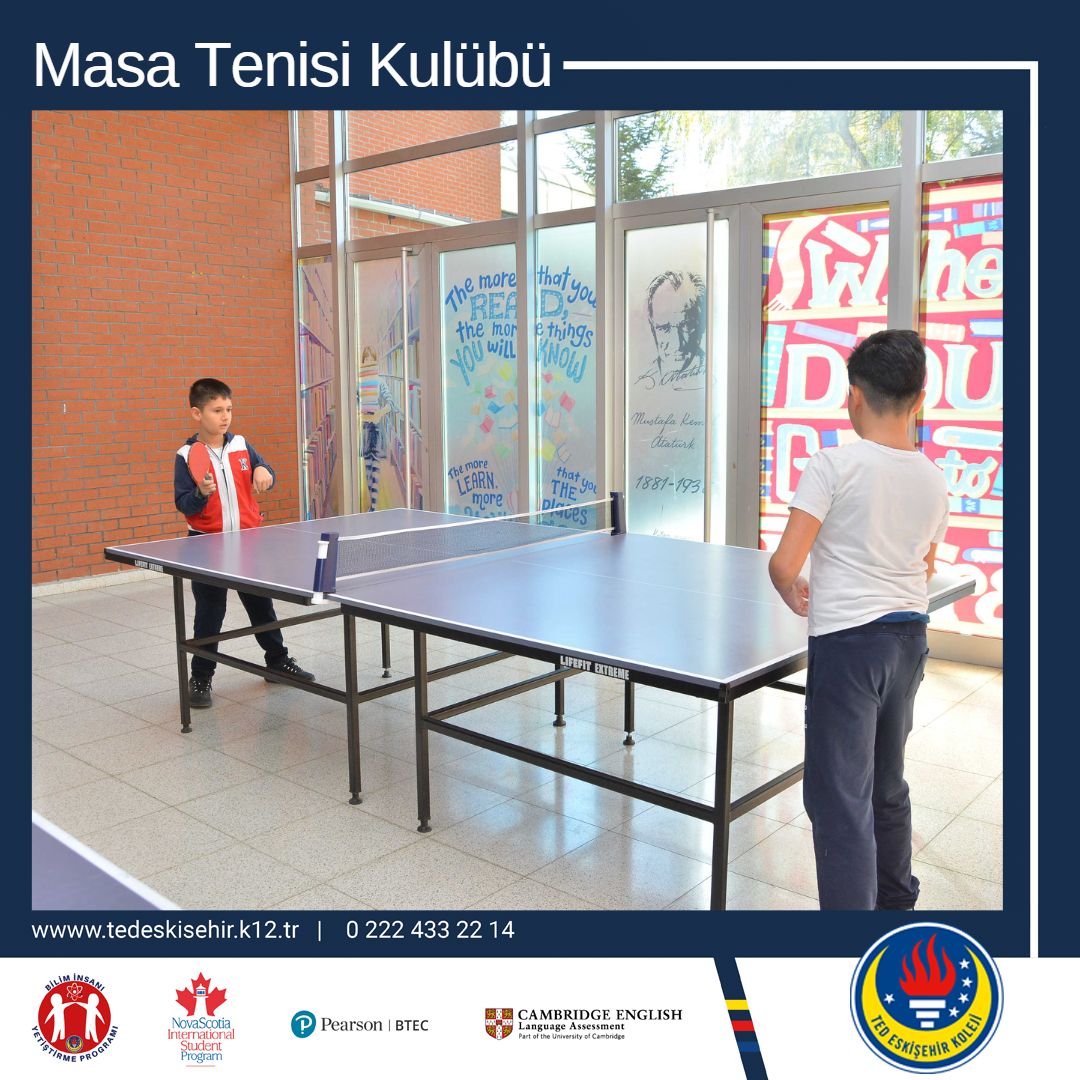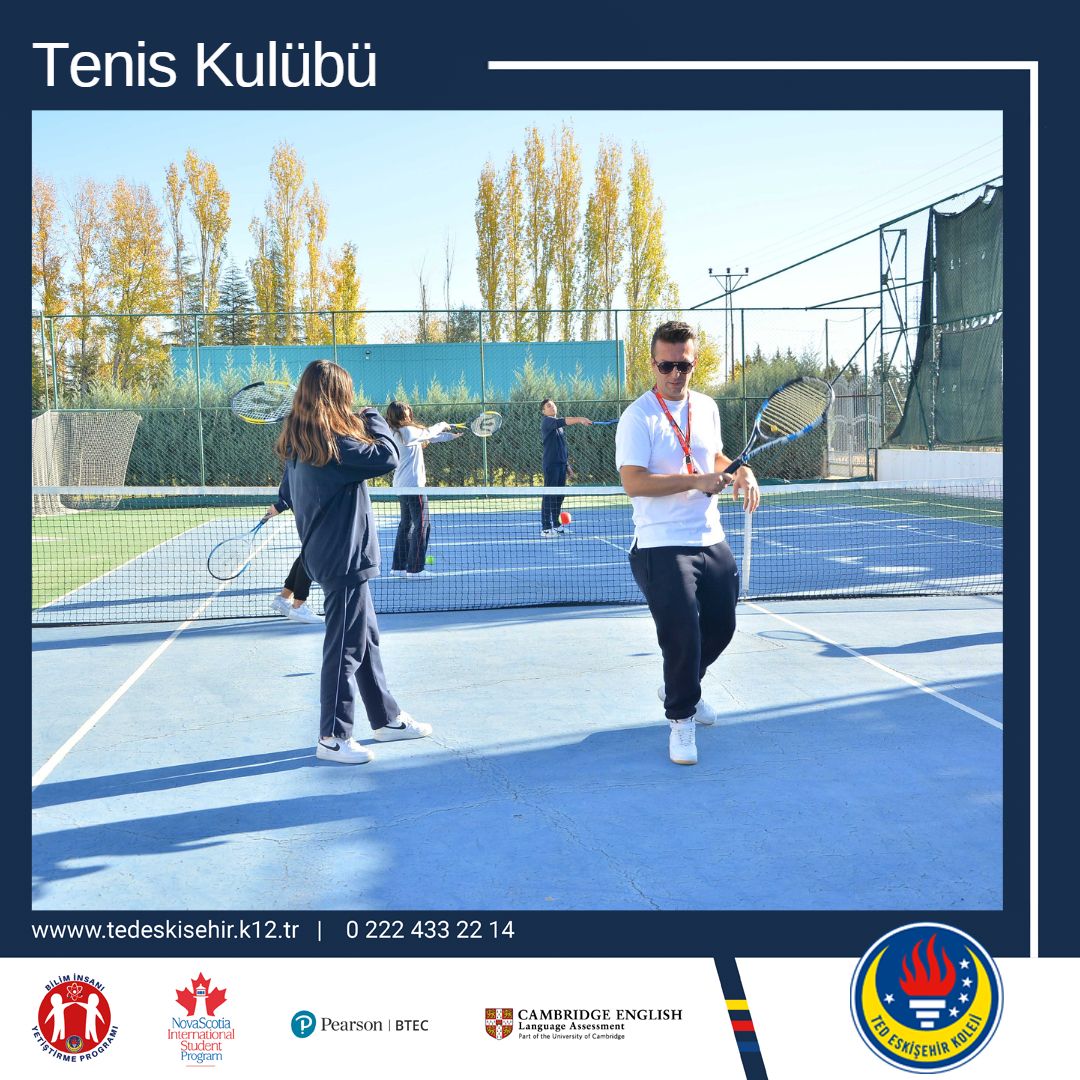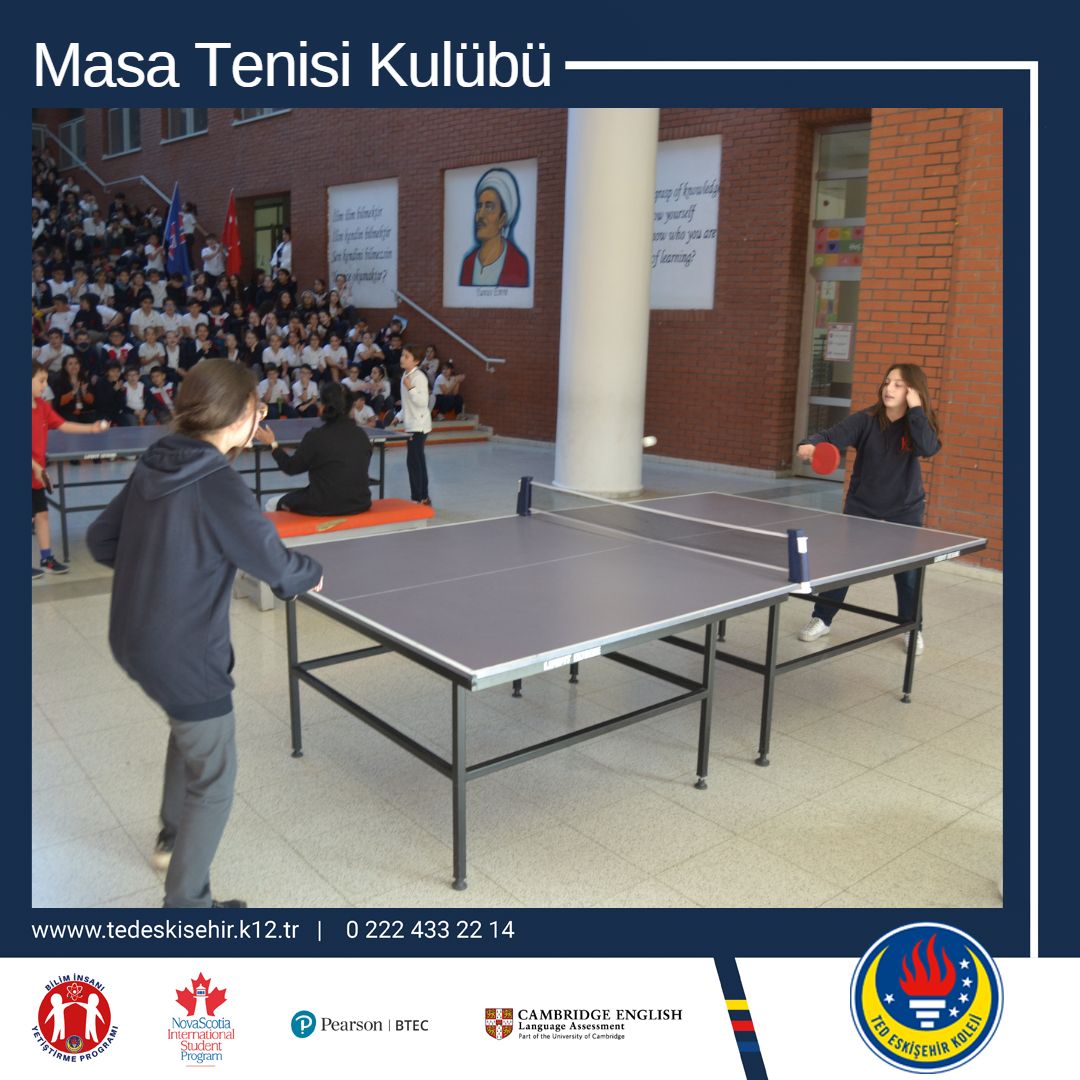

At our school, where table tennis is actively played by students aged 7 to 17, we provide support and guidance in this discipline. We do so because the sport helps develop various physical and psychological attributes—such as hand-eye coordination, fine and gross motor skills, the ability to overcome a fear of making mistakes, stress management, self-expression, and decisiveness—while also enhancing the harmonious coordination between the brain and the body.
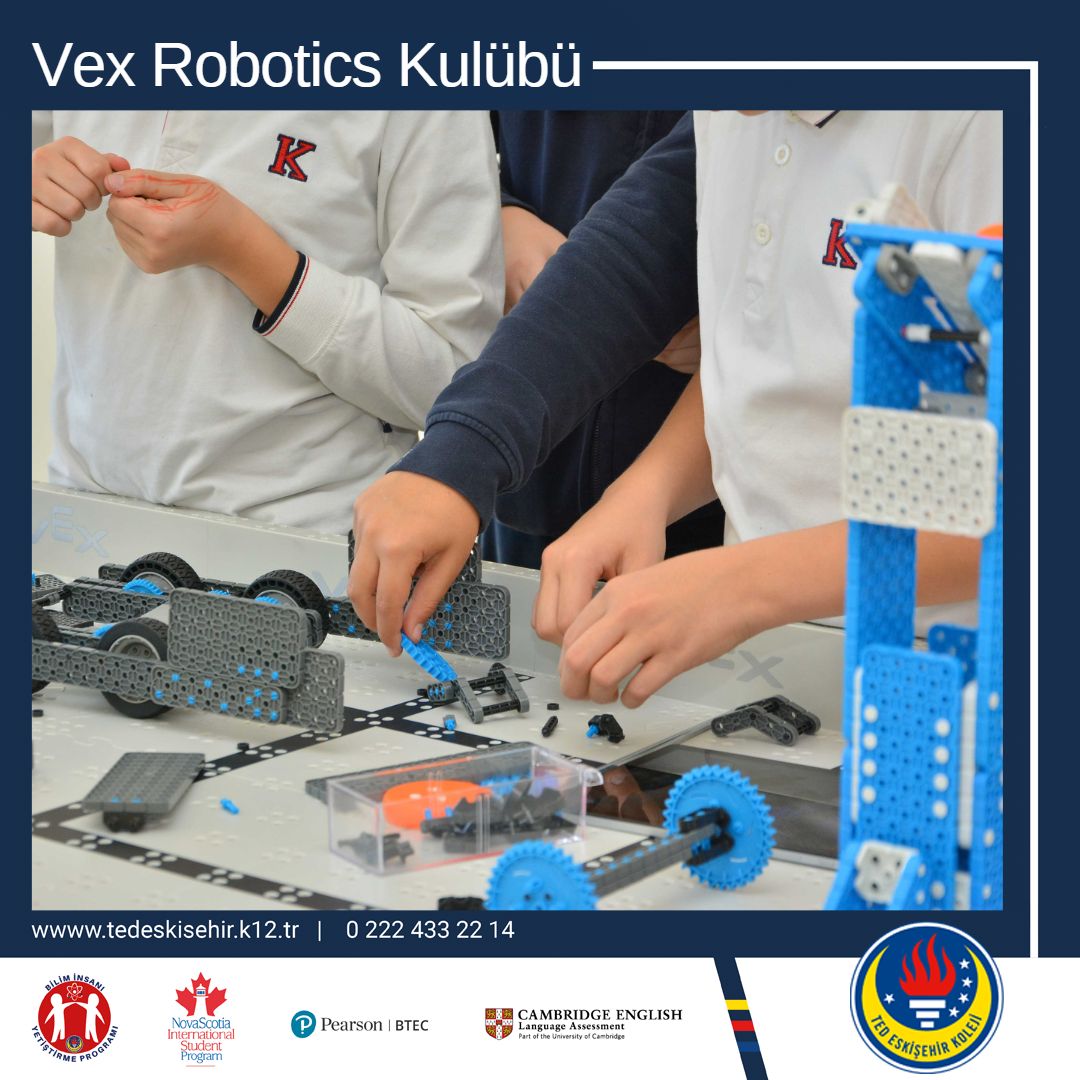
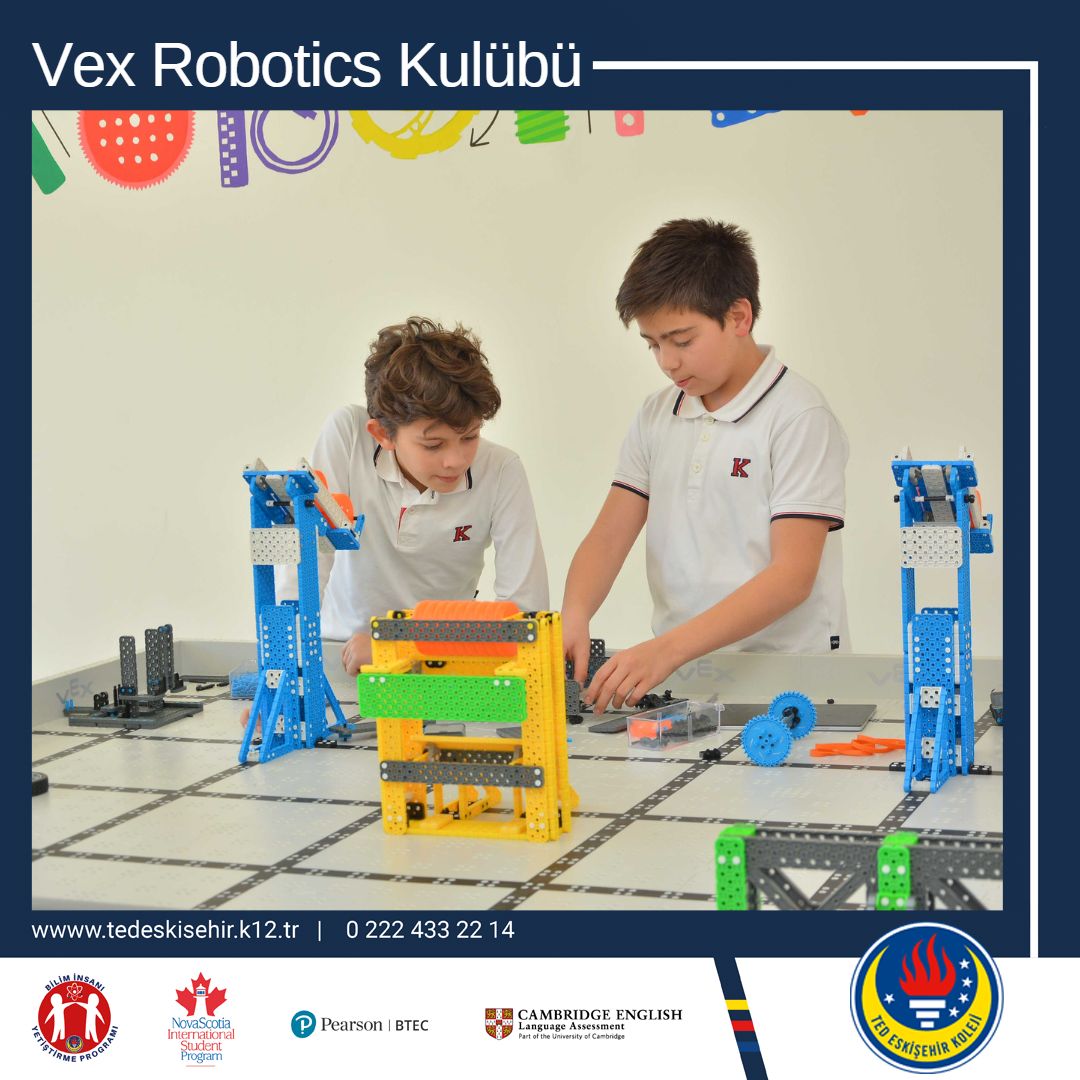
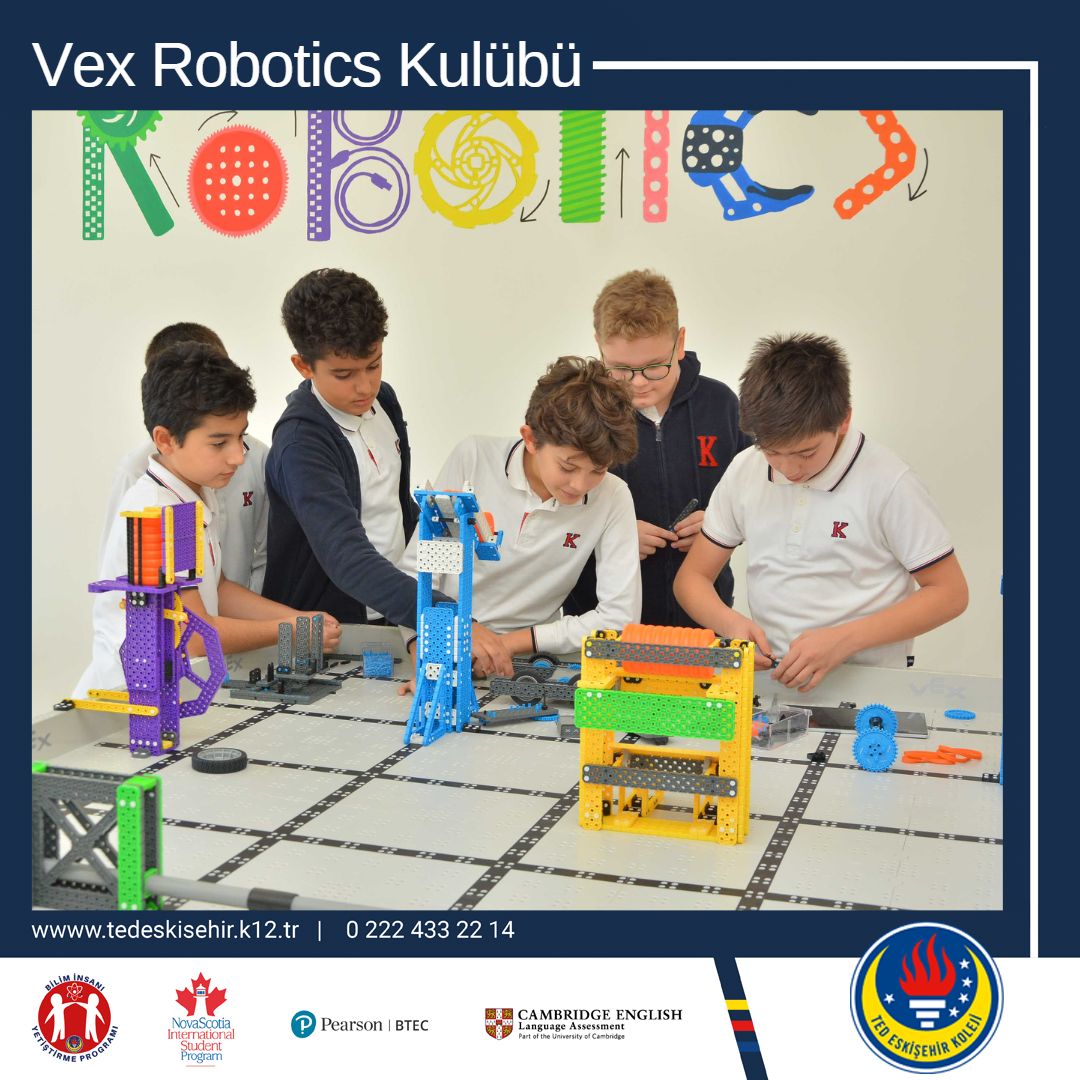
The VEX Robotics Competition is the world’s largest robotics event for middle and high schools, featuring 18,000 teams from over 40 countries competing across 1,350 game challenges. Throughout the year, students participate in local, regional, and national competitions—held in various cities—to earn the right to compete in the world championship. Through these club activities, students learn the importance of teamwork and aim to develop products that enable them to take part in the competitions.
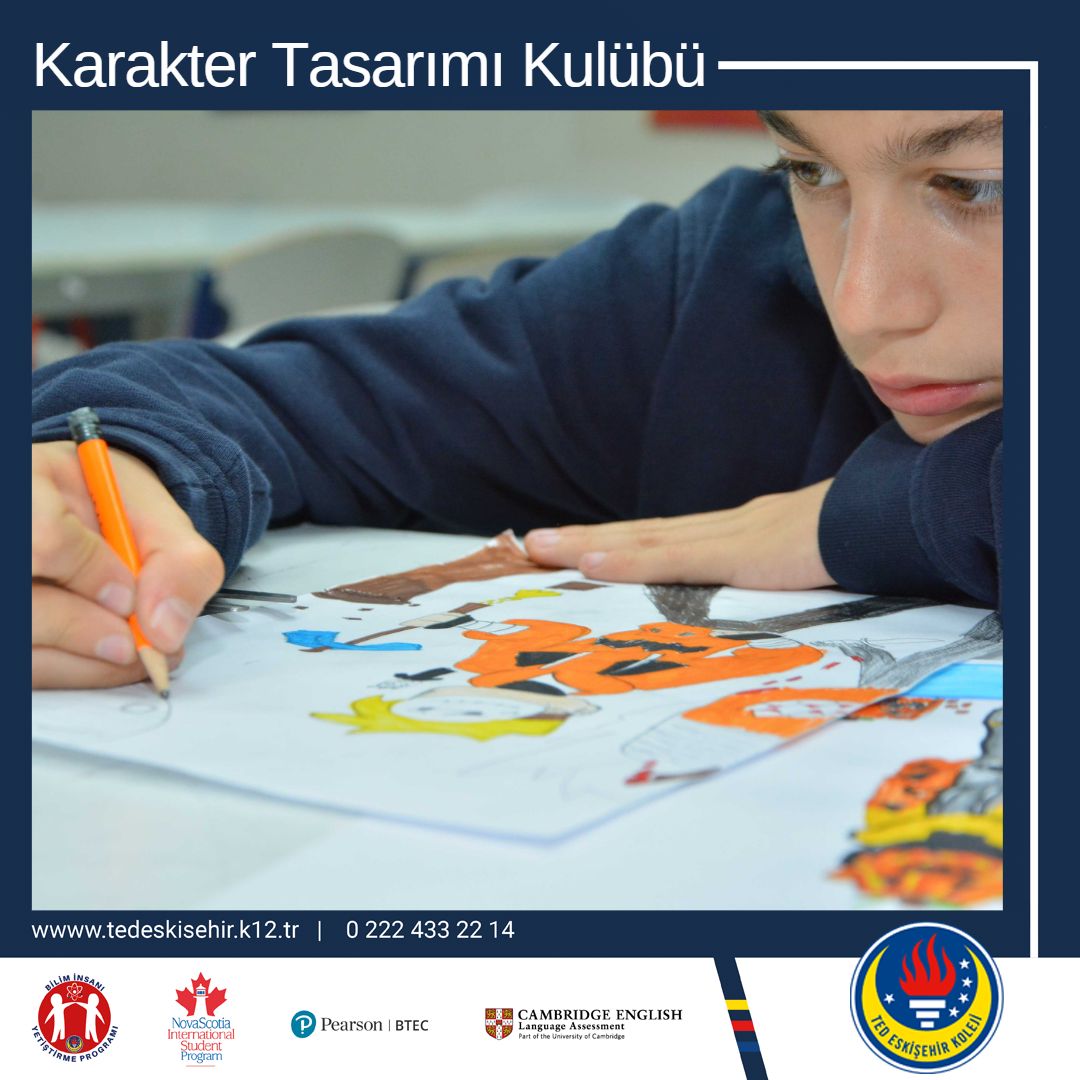
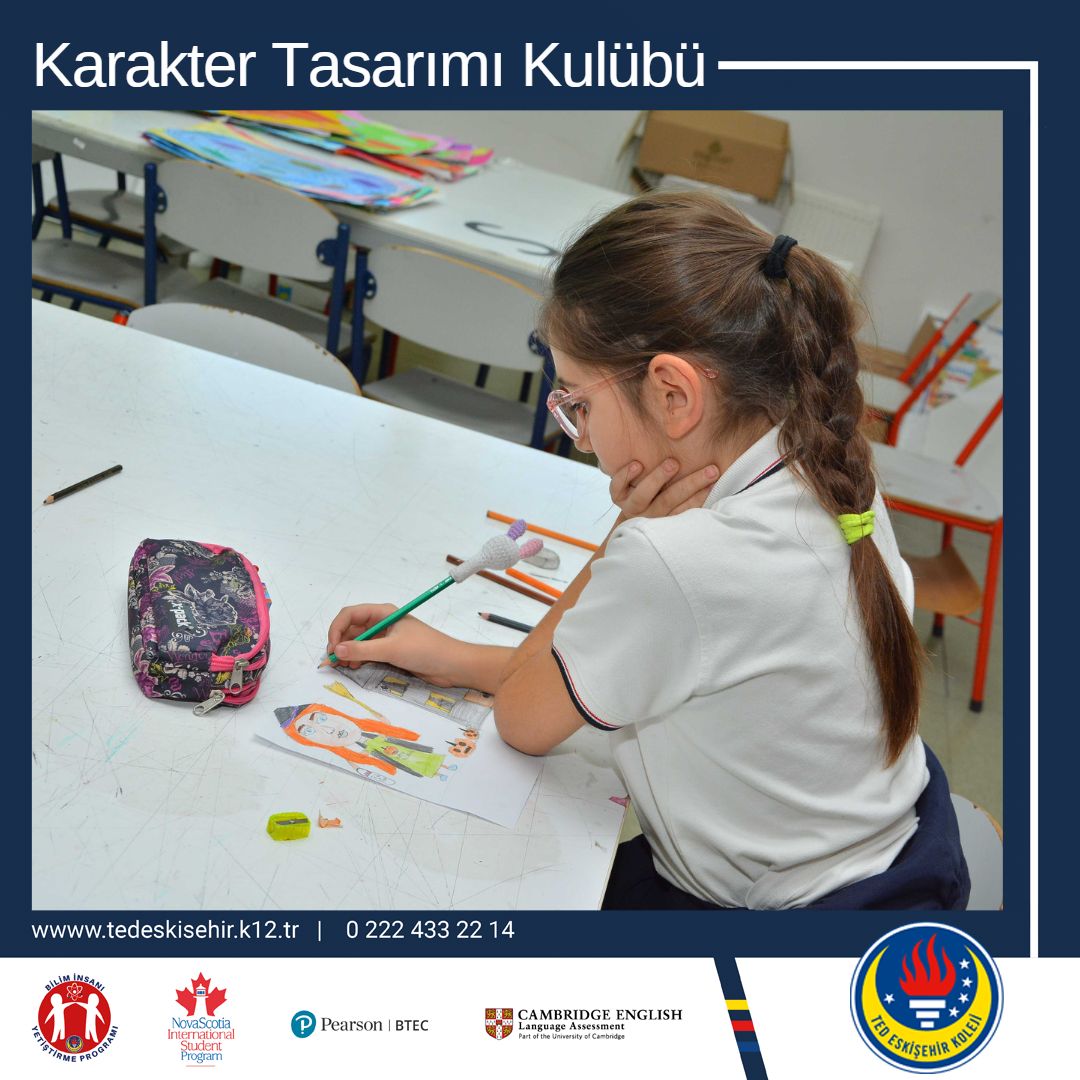
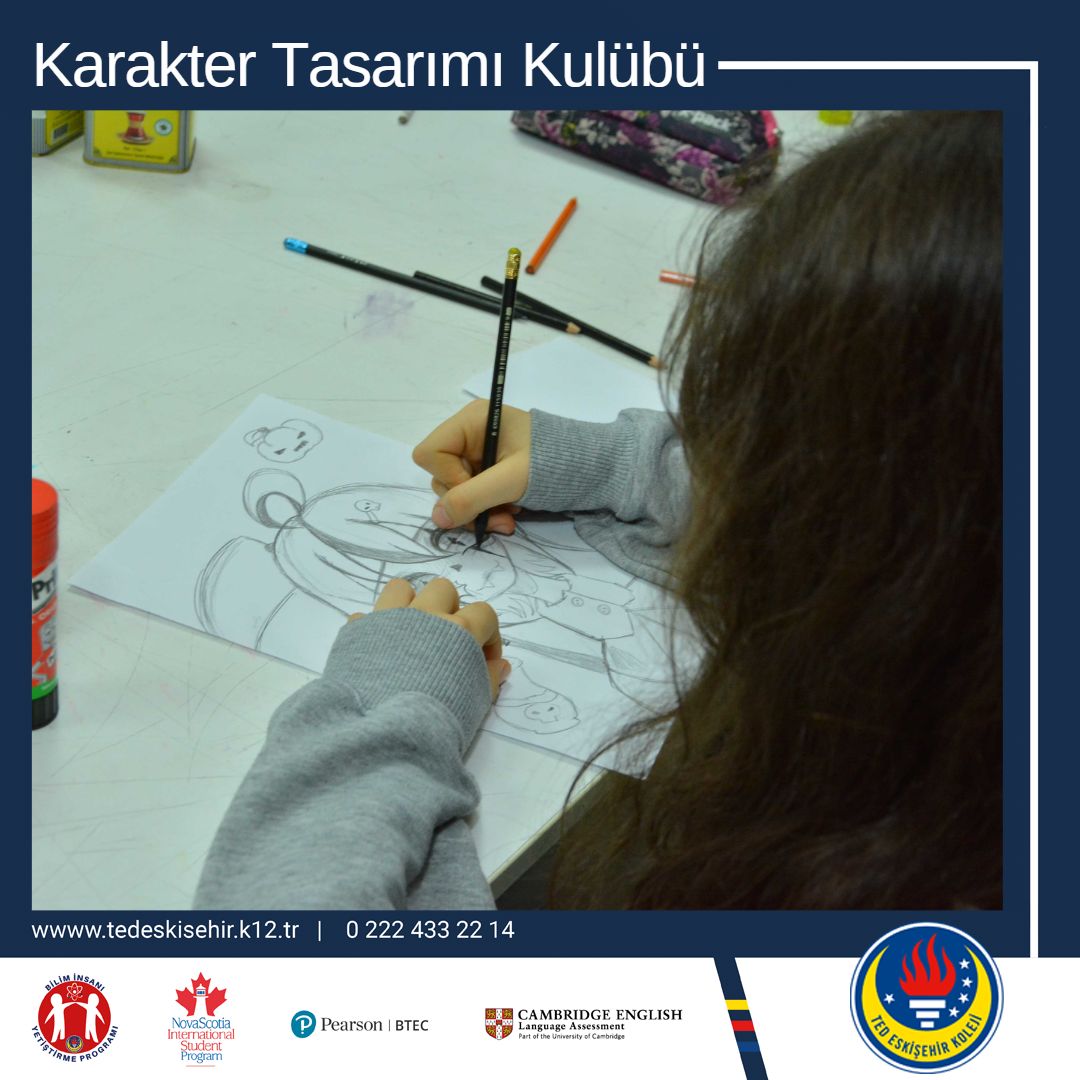
While the Character Design Club encompasses these broader processes, it also addresses the reality of our current era—an age defined by technology and machinery—in which we are constantly exposed to a wide array of digital art. Animated films, cartoons, and computer games—all of which feature prominently in the lives of children, young people, and even adults—can be considered forms of digital art. The club aims to integrate this influential art form with formal art education, blending it with other artistic disciplines to create original works. The objective is to design new characters—nurtured by imagination and expanded through storytelling—and to bring them to life by engaging our visual memory.
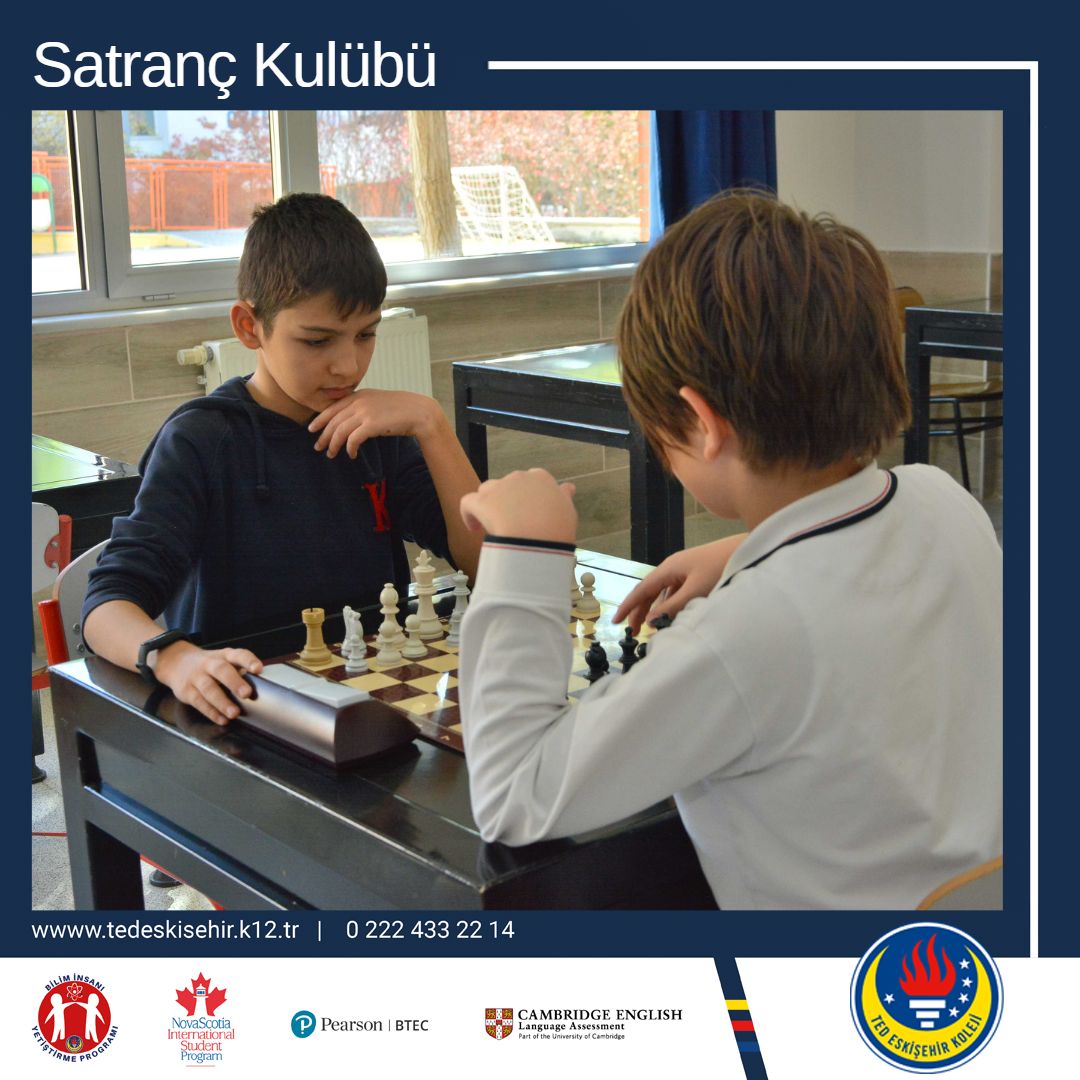
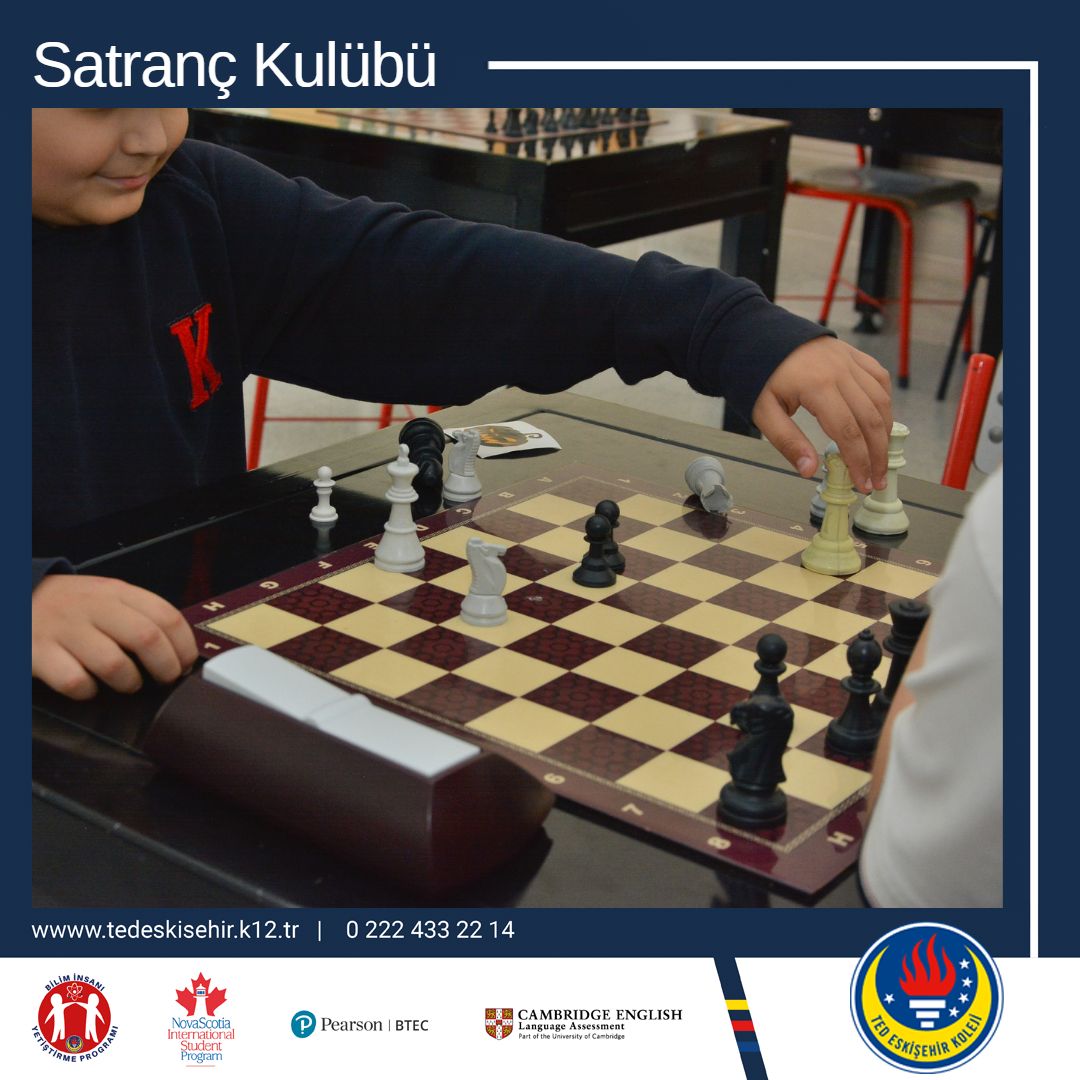
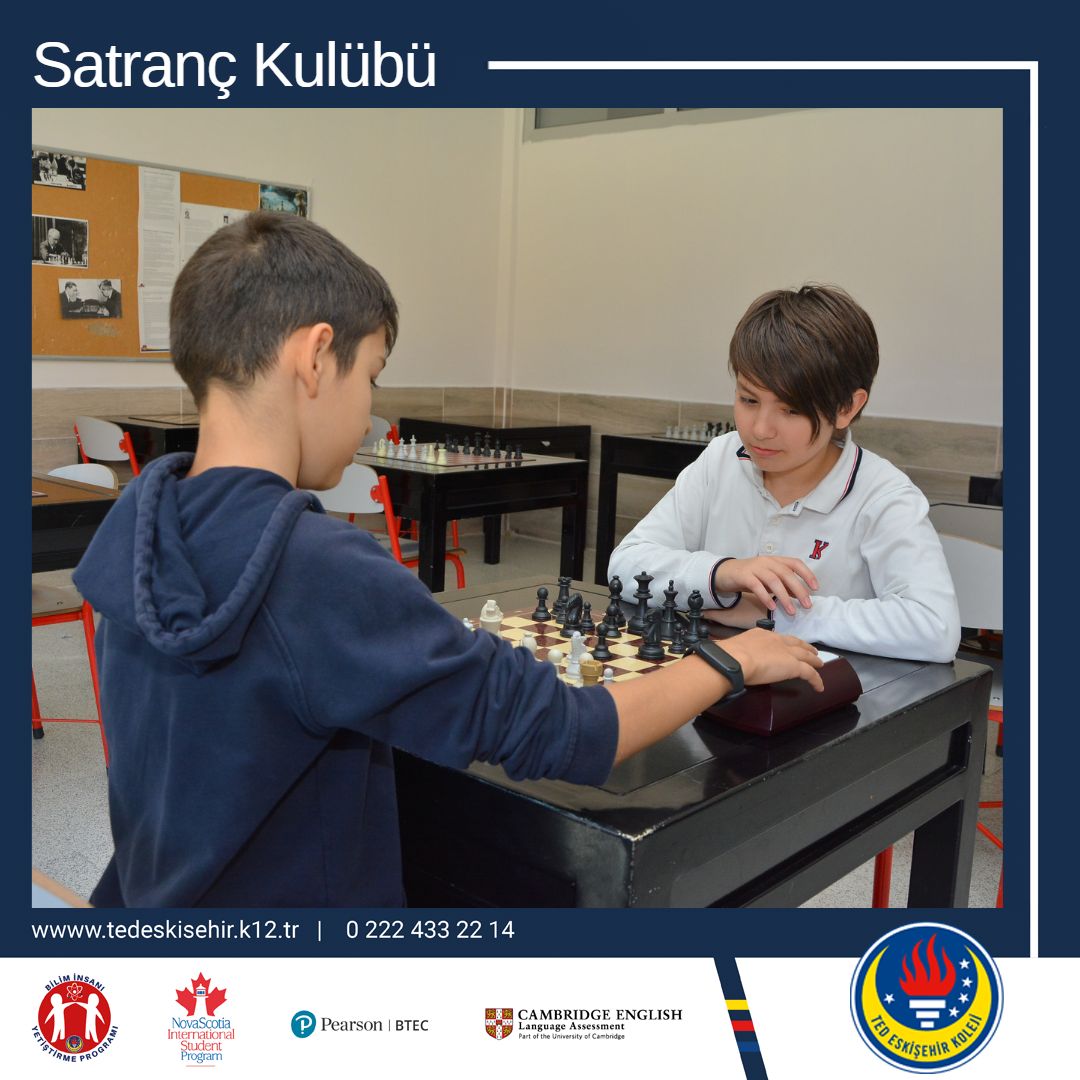
Chess is an activity that allows children to develop strategies while having fun, and it serves as a bridge between cultures. Since chess is played all over the world, children learn a game that speaks a universal language.
Research has shown that chess instruction in the preschool years contributes positively not only to the game itself but also to the foundational skills required for many academic subjects that children will encounter later in their education.
Starting chess at an early age is important; however, the quality of the instruction provided and the role of the instructor are crucial at this stage.
In our kindergarten program, for the 4- and 5-year-old age groups, we incorporate chess into a curriculum that includes storytelling, coloring, various interactive activities, online games, songs, and drama—all designed to help students develop a love for the game.
Through chess, we aim to equip our students with skills such as problem-solving, independent decision-making, strategy development, humility, and the resilience to persist even after a defeat.
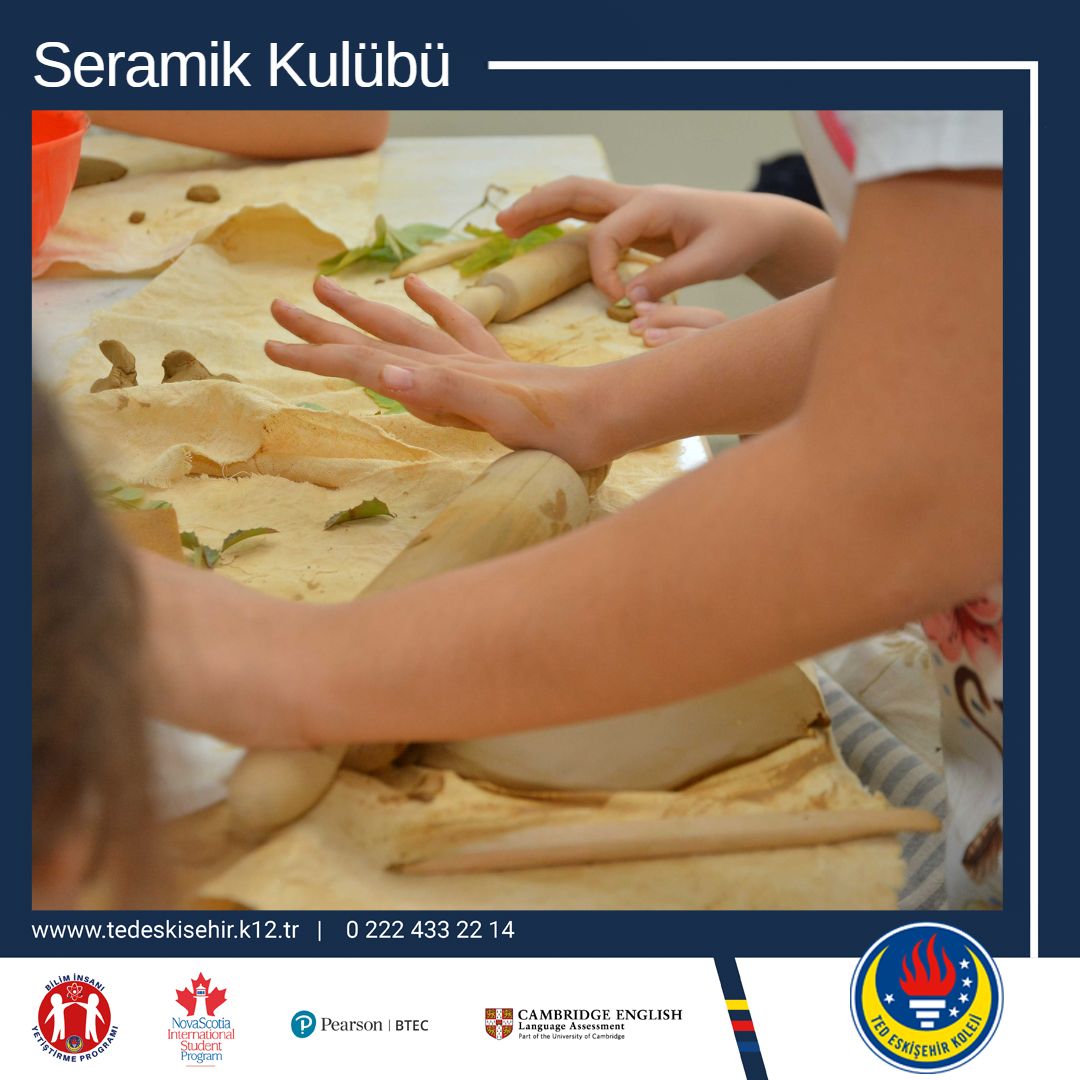
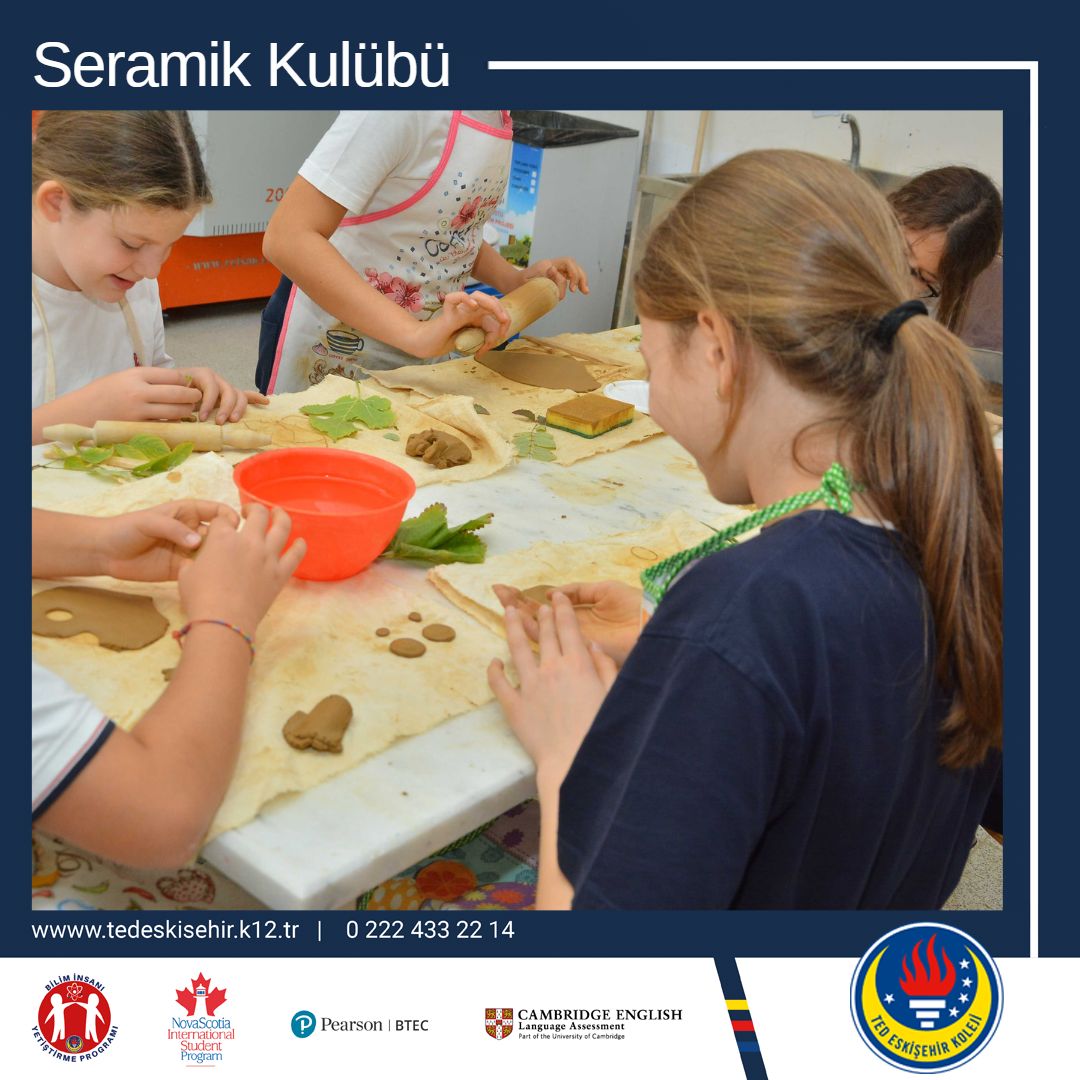
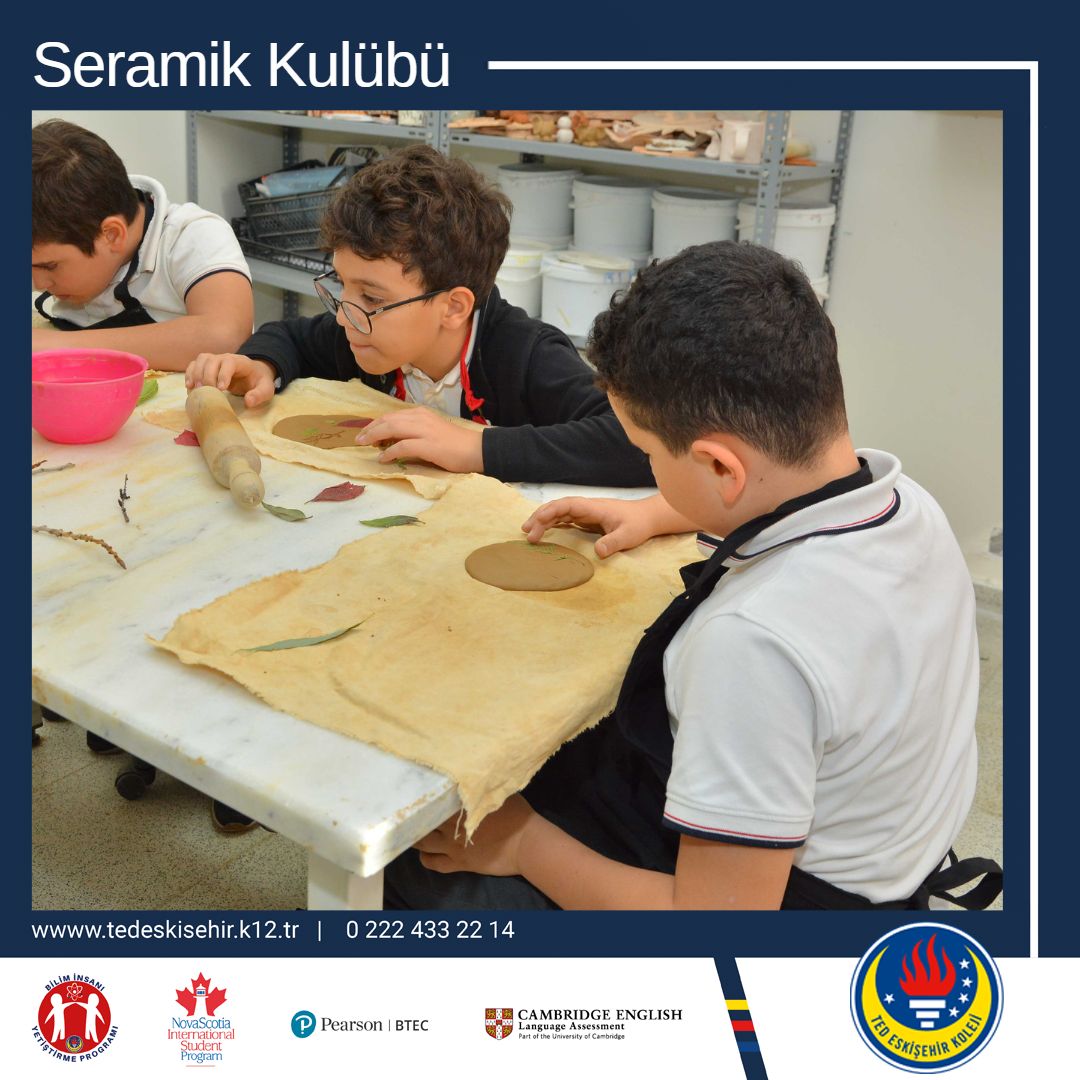
The art of ceramics, which dates back as far as human history itself, has managed to retain its inherent natural quality despite all technological and scientific advancements. Originating from a practical necessity, this art form has evolved over time to encompass the creation of decorative objects, becoming an integral part of our lives.
In our ceramics club, our goal is to foster the development of our students' creativity. The unique experience of working with ceramic clay serves as a significant catalyst for both their cognitive and motor skill development.
We aim to enable our students to express their emotions with ease, give tangible form to their inner worlds, and apply three-dimensional thinking to their daily lives.
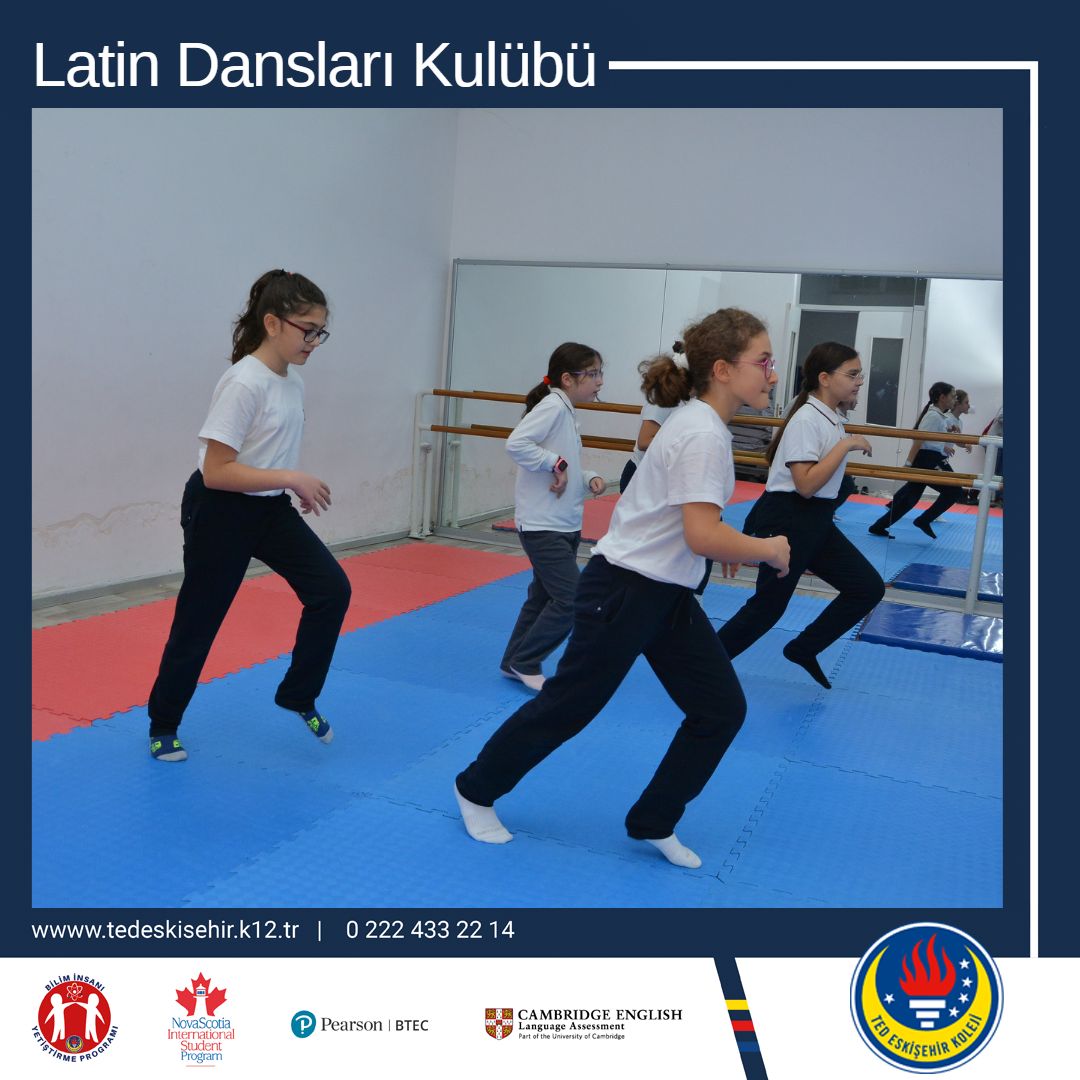
Dancing is one of the best ways to stay in shape, boost mental acuity, combat stress, and increase self-confidence. Latin dances, like all forms of dance, offer these benefits. Dancing is a fantastic way to strengthen memory. Furthermore, because dancing is a form of physical exercise, it promotes happiness.
Dancing is much like aerobic exercise; it provides many of the same benefits as sports—such as supporting heart health, aiding in weight management, and increasing energy levels. Moreover, dance is a compound exercise, meaning it engages multiple muscle groups simultaneously, which in turn enhances balance and coordination.
Dancing is the most beautiful form of non-verbal expression. Engaging in regular dance supports the health of both body and mind, bringing with it a wide range of benefits. Over time, as individuals begin to feel more complete, this transformation is reflected in their movements, helping them develop greater self-confidence and self-esteem. Additionally, since dance is a social activity, it strengthens interpersonal relationships and improves social skills.
It increases endurance and flexibility. Dancing should not be viewed solely in terms of its impact on muscles.
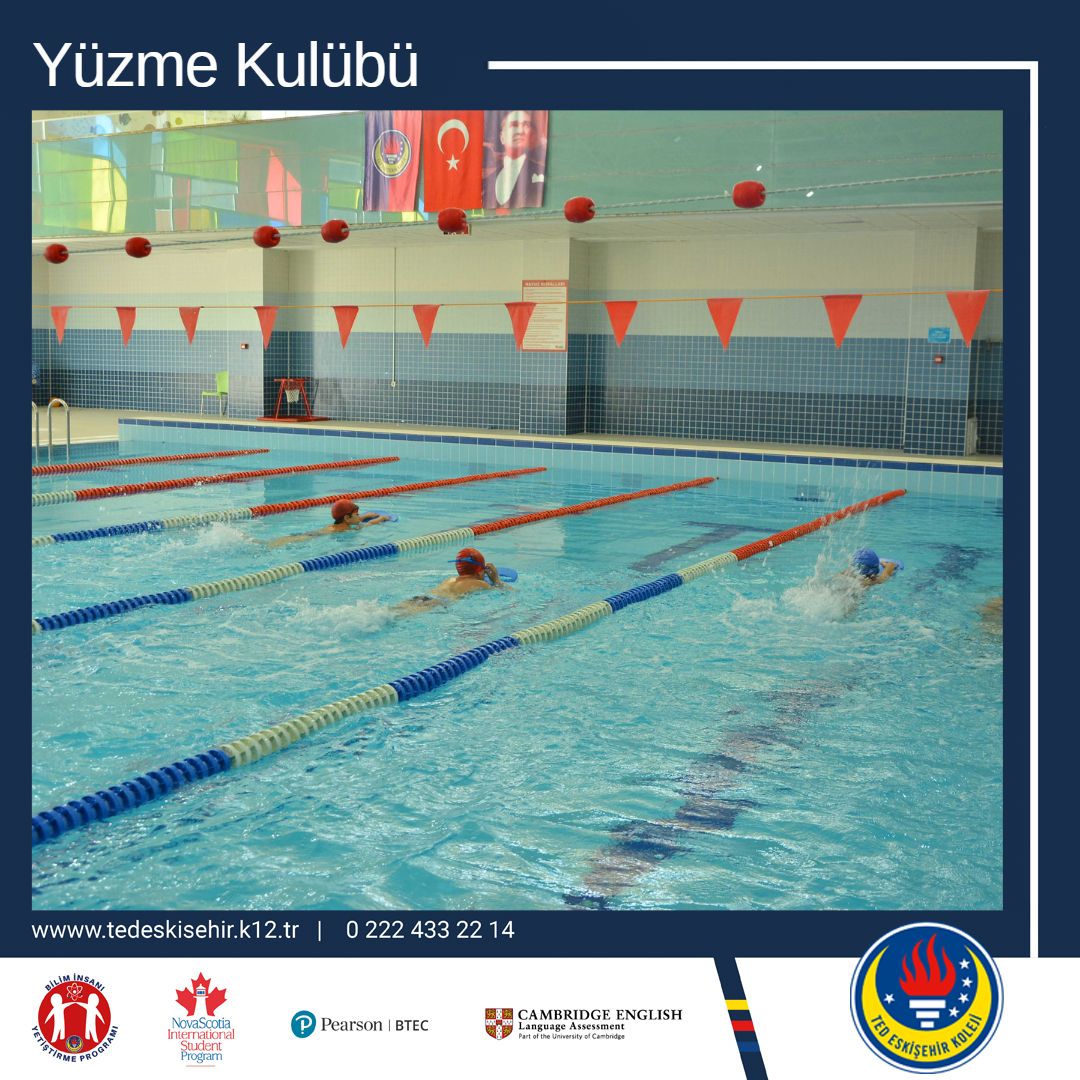
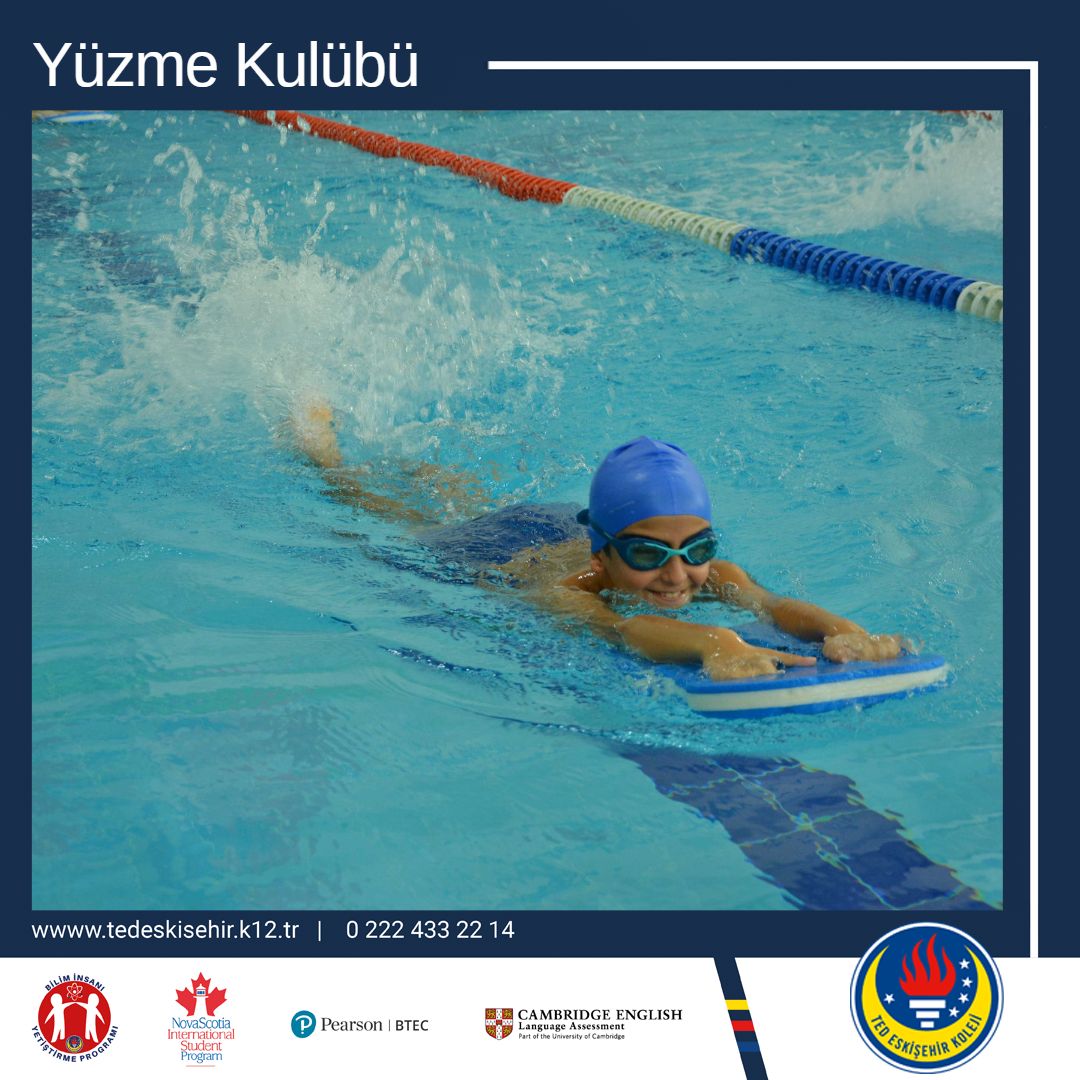
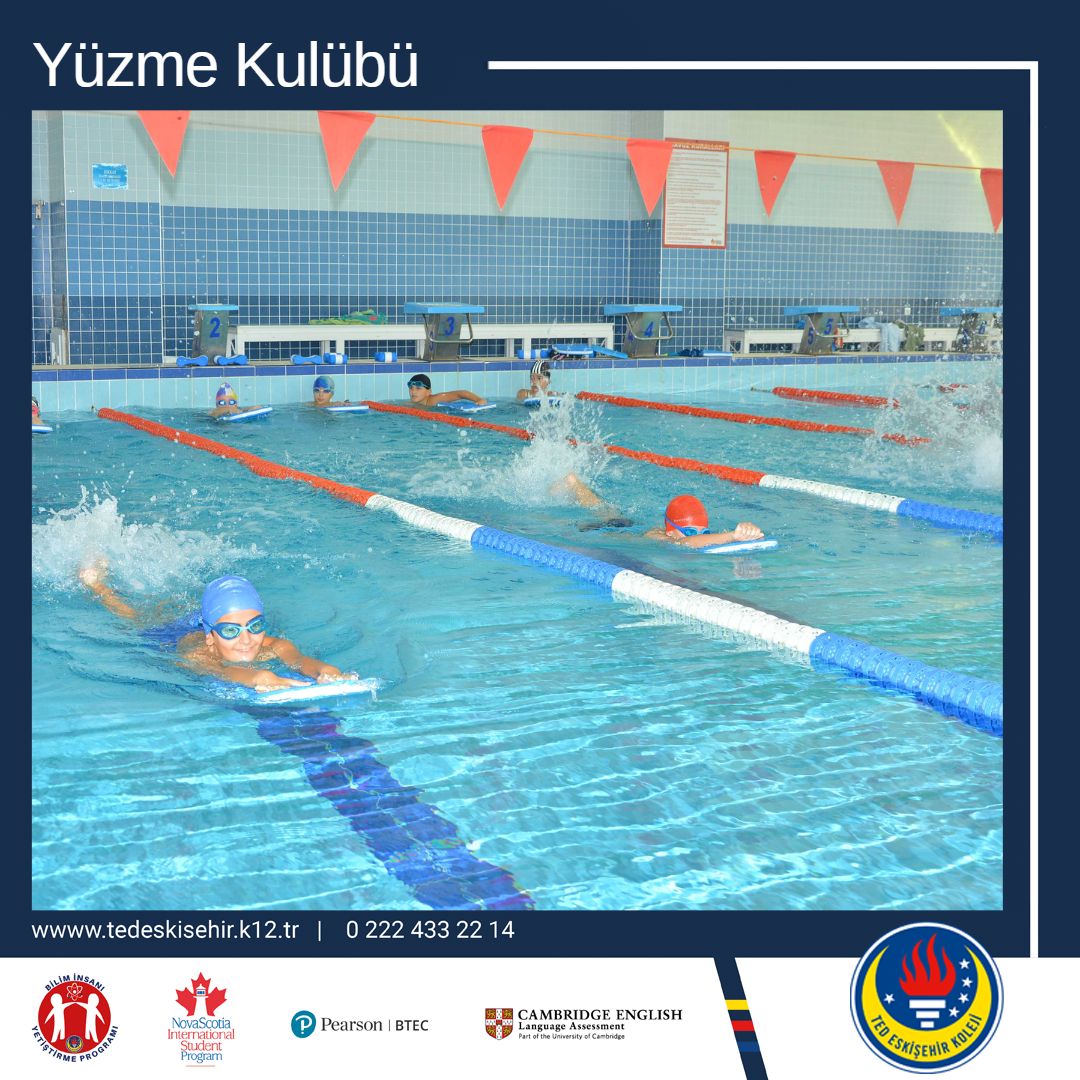
Dancing also implies a greater range of motion and flexibility. For this reason, many dance classes begin with stretching exercises, which help muscles—often shortened during dance or physical activity—return to their normal length, thereby increasing one’s range of motion. Furthermore, it promotes better posture and a healthier lifestyle in daily life. Dancing supports healthier brain function, boosts creativity, enhances personality traits, strengthens the nervous system, fosters a sense of responsibility, increases awareness, and improves cognitive and comprehension skills.Swimming engages many muscles in the body through the use of arm strokes and leg movements, and various styles can be employed while swimming. While regular swimming offers significant physical and psychological benefits, learning to swim requires effort and the ability to overcome any fear of water. Water possesses a certain resistance, and overcoming this resistance demands specific motor skills—namely strength, speed, endurance, and flexibility. As one of the oldest sports, swimming is highly effective for physical development and stands out as a fundamental activity that works all the muscles in the body.
Because it involves moving against the resistance of water, swimming contributes greatly to strengthening muscles and increasing overall physical endurance. It is also an excellent sport for fostering personal discipline. By stimulating the immune system and regulating the metabolism, it helps protect individuals against various illnesses. At our school, swimming is included in our culture, arts, and sports curriculum, with two class hours dedicated to it each week.
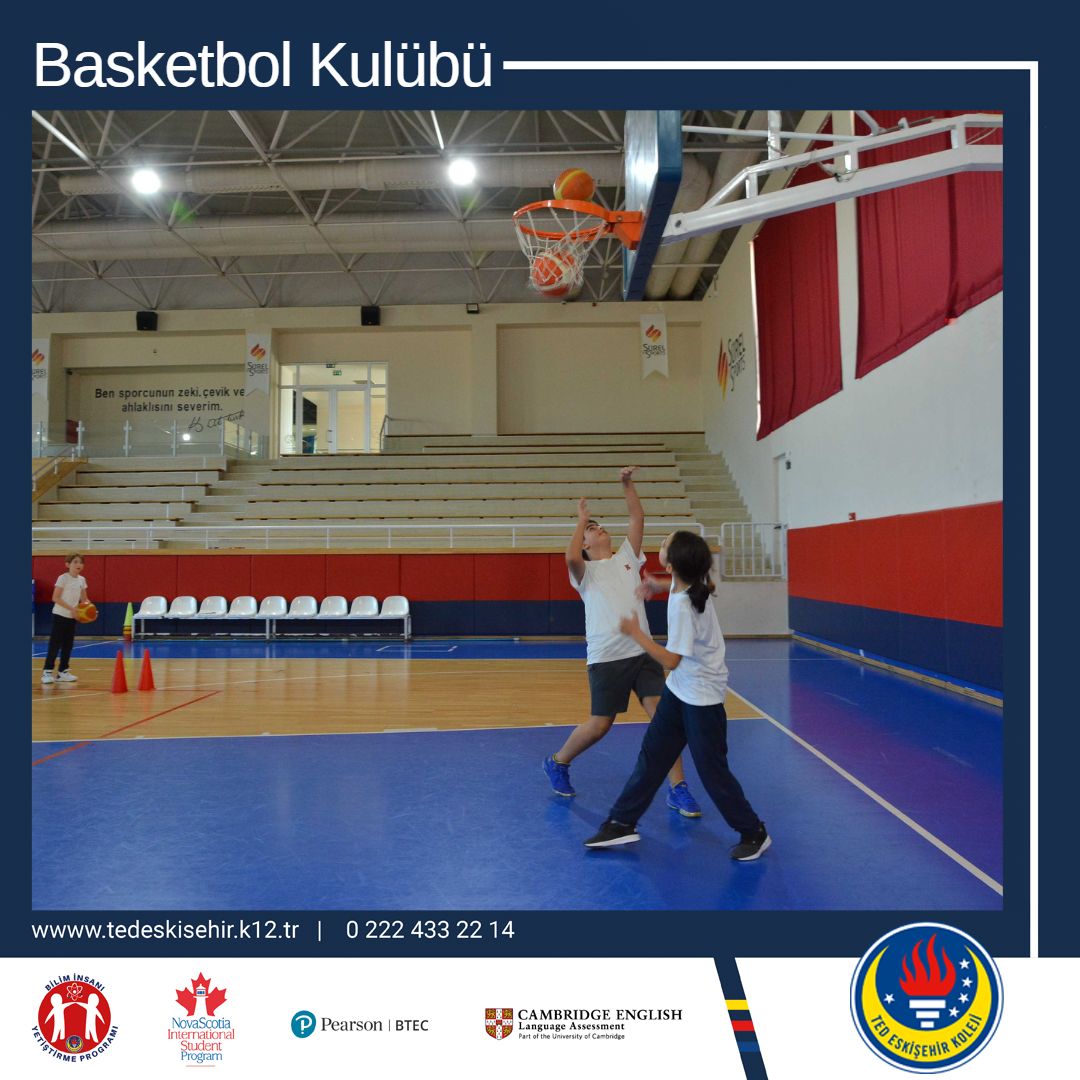
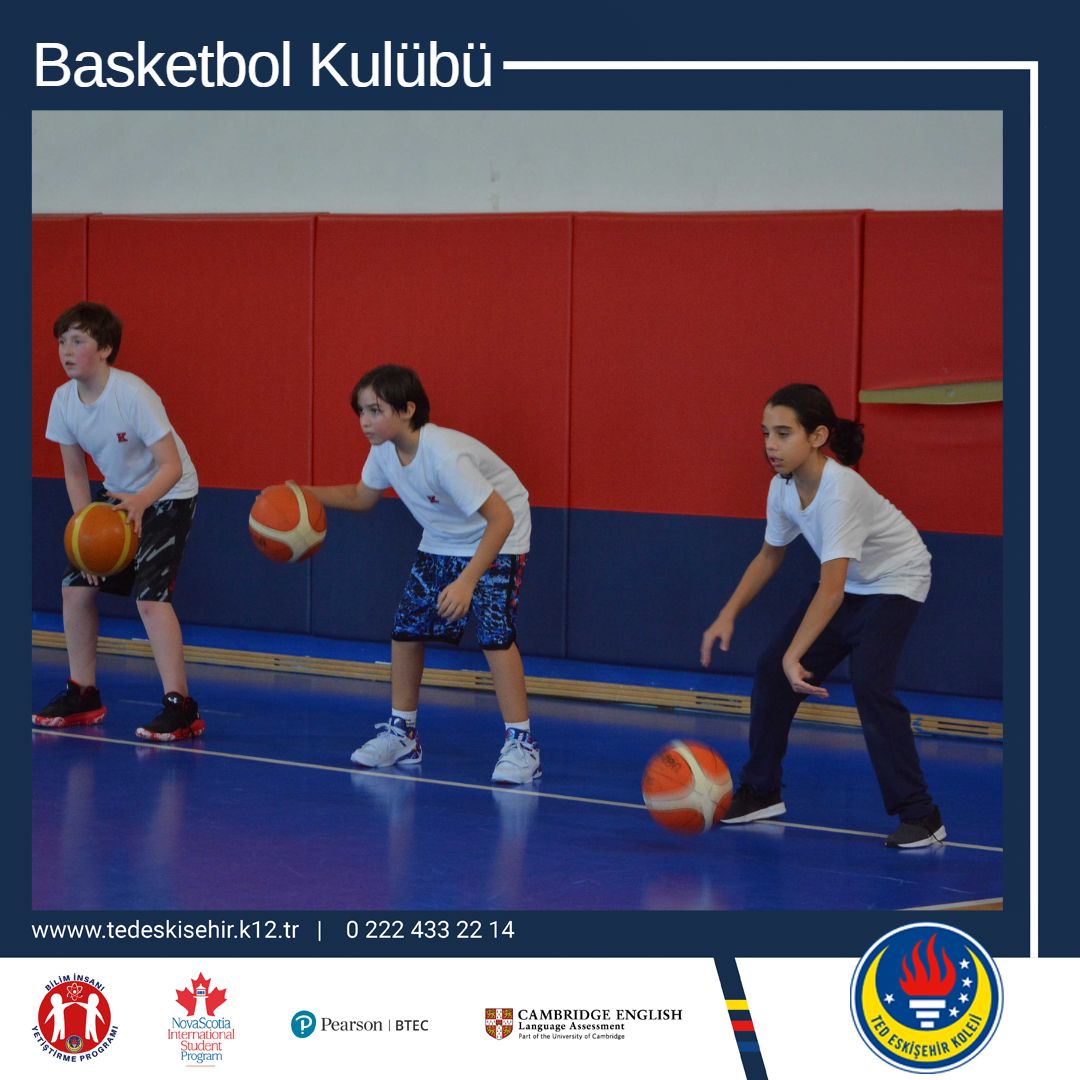
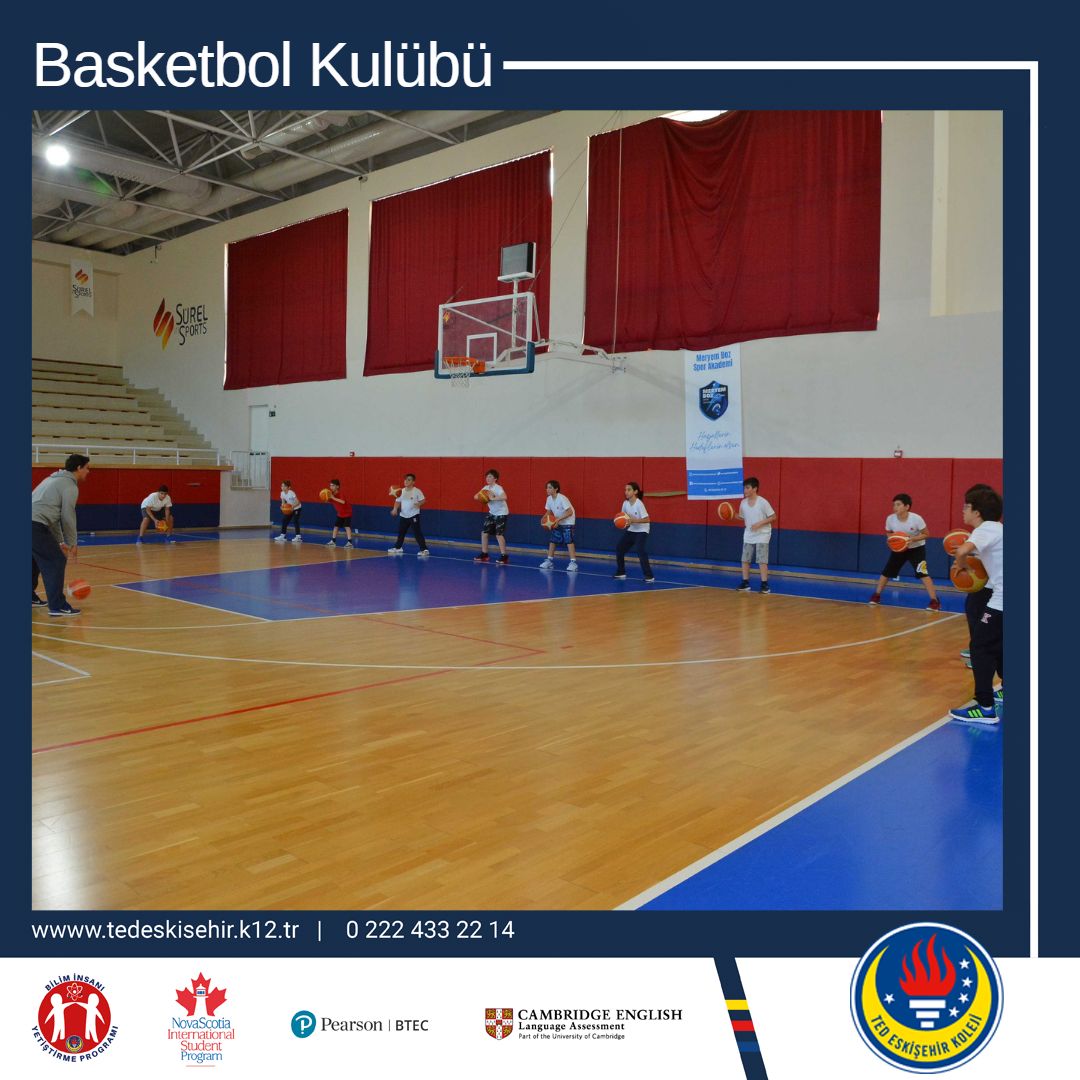
Taking into account the individual differences of our students, we provide guidance and support throughout the academic year—tailored to their specific skill levels and technical knowledge—by focusing on the fundamental abilities and targeted learning outcomes of their chosen discipline, incorporating a variety of technical exercises and drills.Basketball offers numerous benefits for child development. It helps children overcome a sedentary lifestyle, fosters socialization, instills discipline, and contributes significantly to the acquisition of a beneficial hobby.
It aids in the development of athletic abilities.
It helps the body become strong, agile, and flexible.
It provides significant advantages for the development of a child's muscular and skeletal systems.
It strengthens the body and increases physical endurance.
Since children are constantly in motion, they burn calories, which helps them shed unhealthy excess weight.
Basketball is a team sport. Being part of a team helps children develop a sense of unity and togetherness. Furthermore, because the sport requires constant interaction with teammates, it strengthens communication skills.
A child learns to compensate for a teammate's mistake, addresses shortcomings, and strives for the team's overall success. In this regard, basketball is an excellent sport for cultivating a sense of cooperation.
As with any sport, taking care of oneself and maintaining a healthy diet are fundamental in basketball. The benefits of the sport are maximized when combined with proper nutrition and a consistent sleep schedule. It has been observed that physical activity stimulates the release of growth hormones in children; when paired with a regular, balanced diet, this leads to more significant physical and mental development. This demonstrates that for our children to become successful individuals, sports must be a part of their lives. Sport; It will always be a source of support for our children in their social lives and regarding their health.
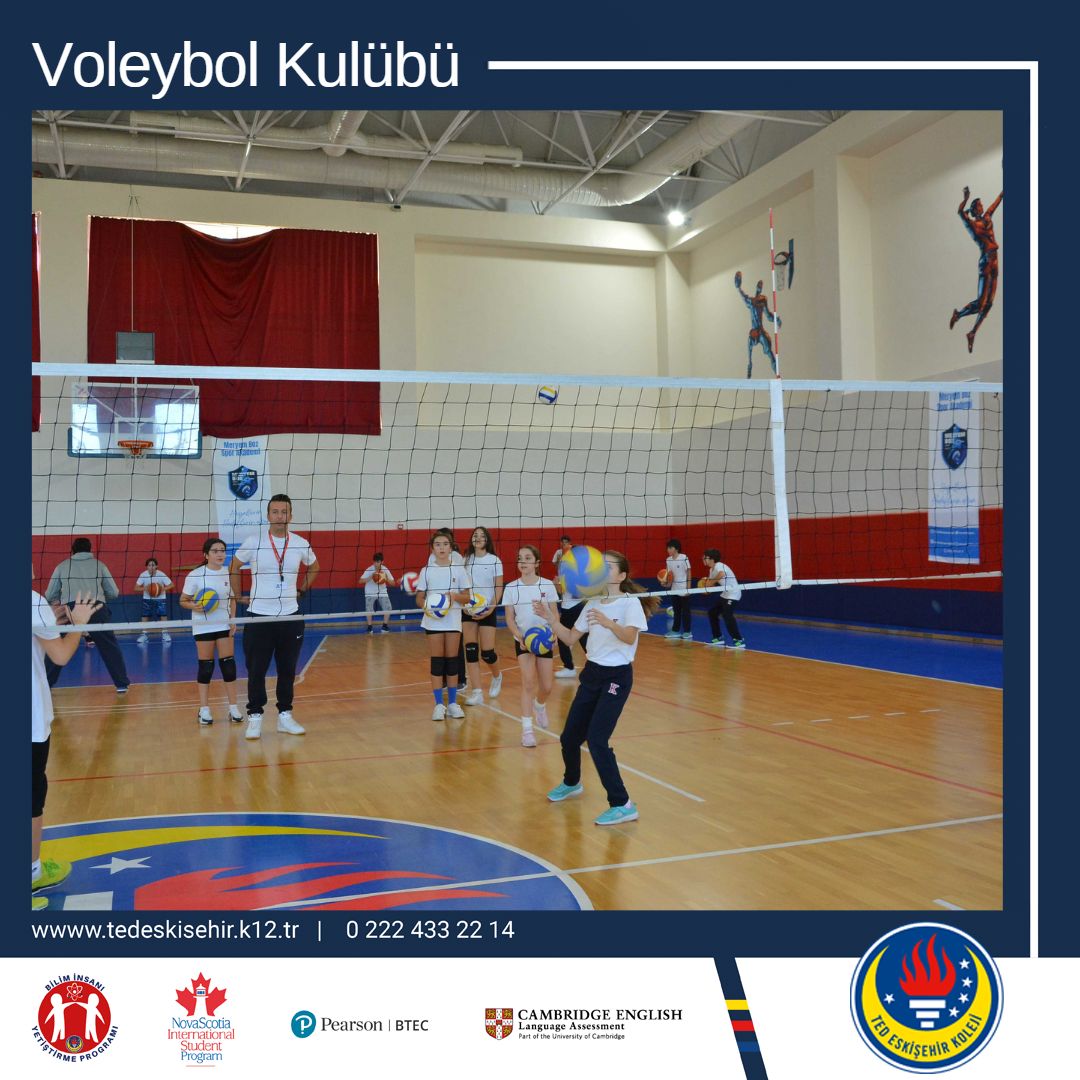
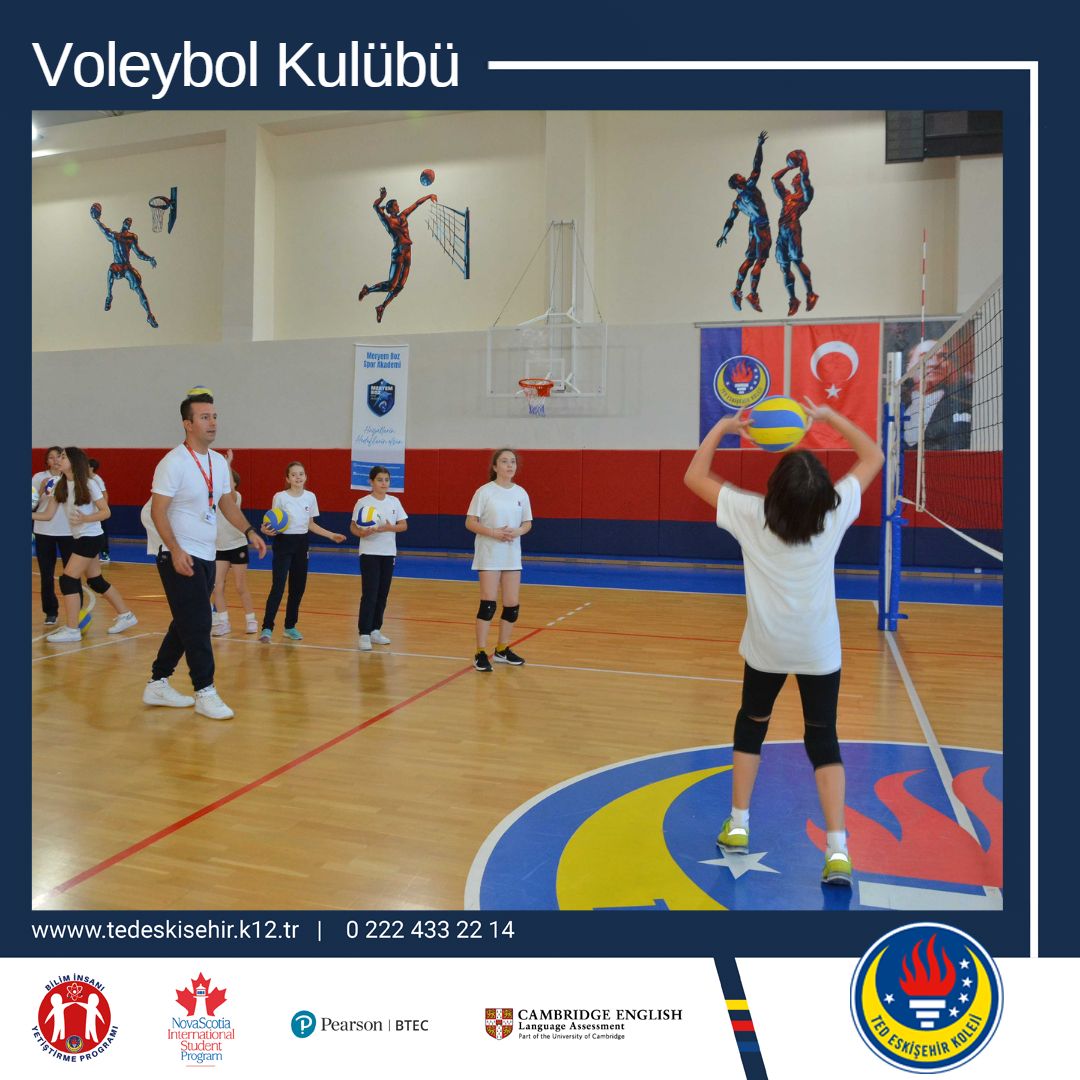
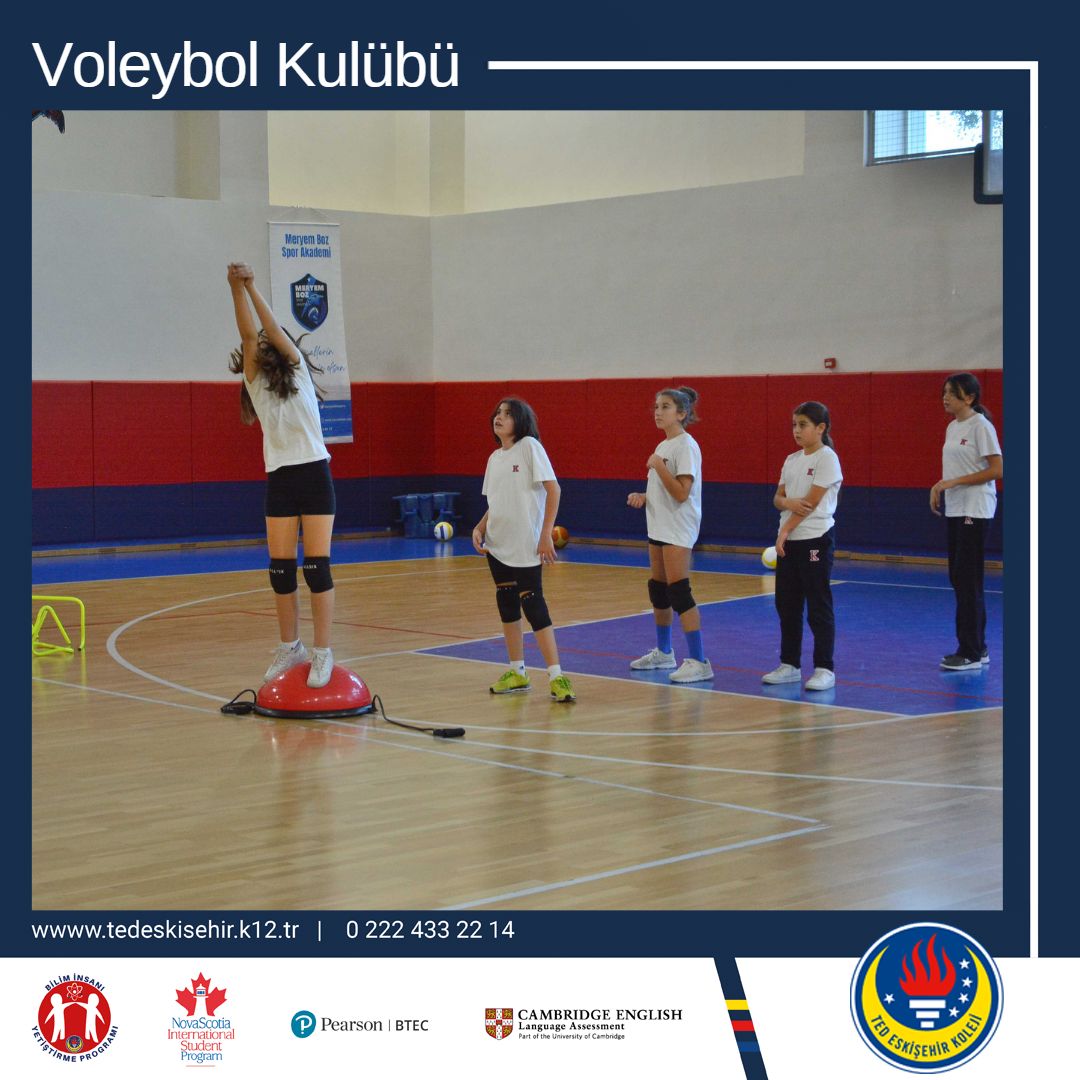
Volleyball supports children during their developmental years by fostering both moral, positive behavior and a healthy physique. By playing volleyball, children learn to organize their lives and practice discipline from a young age, leading to faster physical, social, and mental development compared to their peers.
Volleyball helps the body maintain constant flexibility.
Volleyball assists in developing proper breathing techniques.
In addition to strengthening the body, volleyball enhances coordination, ensuring that movements are fluid and well-synchronized.
Volleyball encourages the development of a flexible physique—often referred to as having "long muscles." Consequently, as the body remains consistently flexible, it naturally takes on a more supple and agile form.
Compared to many other sports, volleyball contributes to greater spinal strength.
For children who play volleyball, the body develops in a balanced manner, with muscles across all areas growing proportionately.
Because the rules of the game require movement both in the air and on the ground, volleyball helps ensure an even distribution of body mass.
To lead their team to success, players must rely on one another. By constantly passing the ball to their teammates, children learn the value of cooperation—unconsciously preparing themselves for the collaborative nature of professional life.
Unlike many other sports, volleyball is a unique team game that is entirely free of physical aggression, as the two teams play on opposite sides of a net. Since there is no physical contact between the players, there is no scope for aggressive behavior directed toward the opposing team.
As a team sport, volleyball helps players develop a sense of responsibility—both on an individual level and as a member of a team.
Children who play volleyball learn how to work within a group, set goals, and plan their lives around those objectives. This, in turn, helps them make more efficient use of their time.
The primary prerequisite for a healthy, high-quality life—one filled with enjoyment and characterized by a sound body and a positive state of mind—is regular exercise, tailored to one’s individual capacity, regardless of age. Those who engage in regular physical activity benefit from a healthier cardiovascular system, a nervous system more resilient to stress, a happier and more peaceful life, greater self-confidence, and an overall sense of well-being. For children, participation in sports fosters multifaceted development.
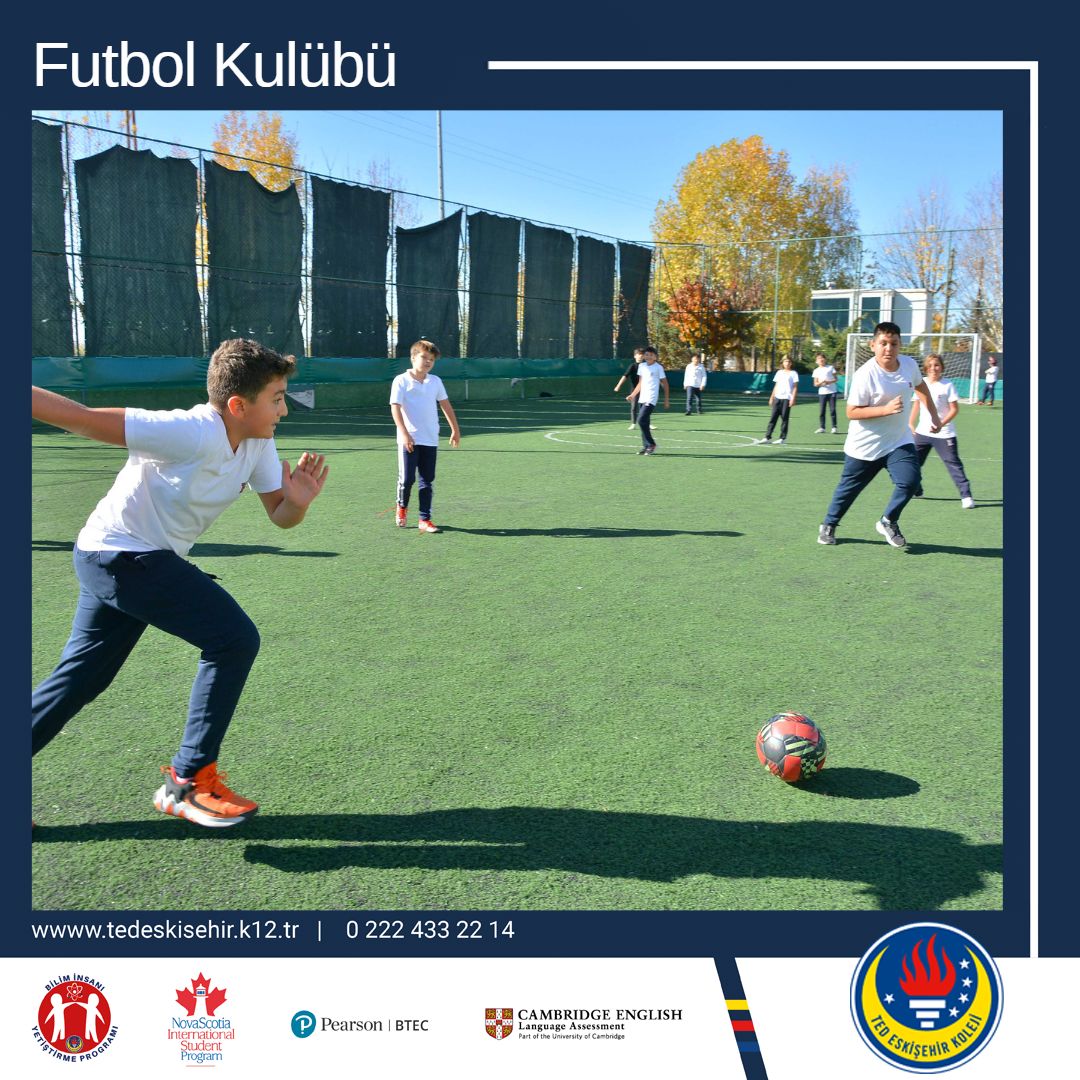
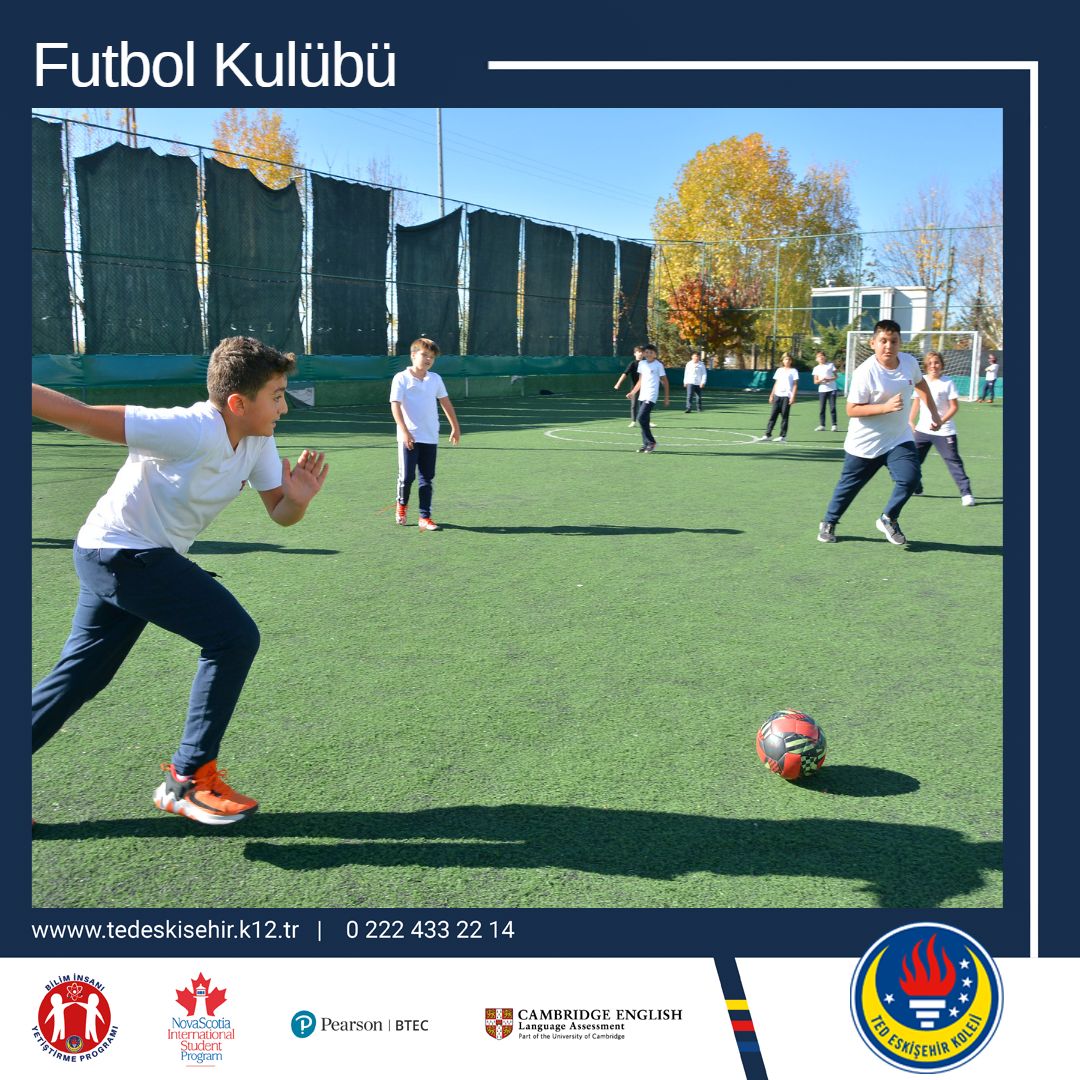
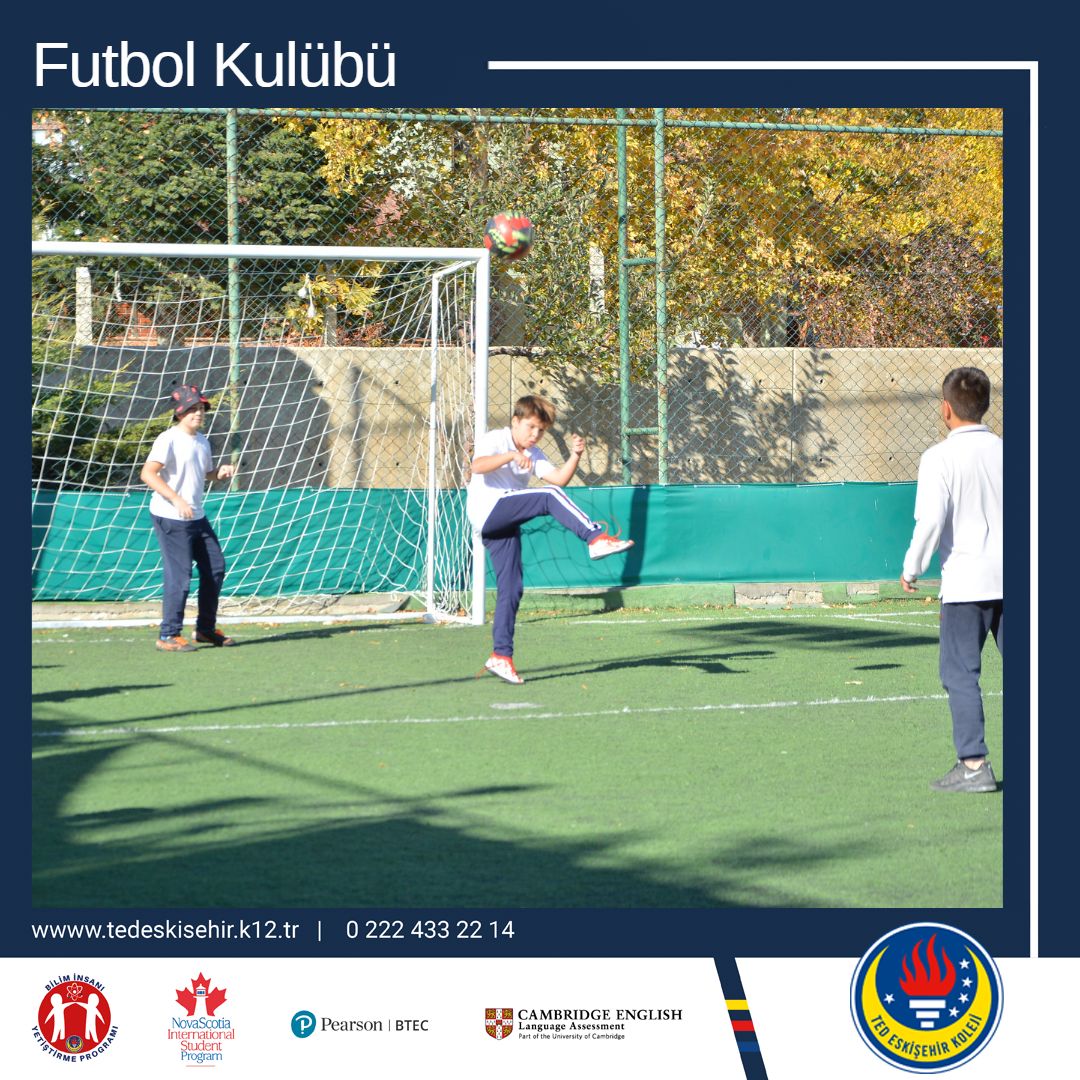
Sports not only promote physical health in growing children but also positively influence the development of their personality and intellect. Participating in football as a team member helps children cultivate a sense of mutual assistance, cooperation, and respect—both for their teammates and for the rules of the game. As a team sport, football teaches children how to function within a group and how to regulate their own actions and emotions. Furthermore, football strengthens social bonds between individuals and helps bridge gaps between people.
Starting from the second grade, our art and sports curriculum—which consists of two class hours per week—is designed to support and guide our students. Beyond the core competencies specific to each discipline, we focus on fostering the aforementioned skills and achieving the broader goals we have set for our students.
The piano is a keyboard musical instrument that produces sound when hammers, connected to the keys via a special mechanism, strike its strings. It features 88 keys (52 white and 36 black). At TED Eskişehir College, piano instruction is offered as part of the arts and sports curriculum. One of our primary goals is to enable students to express their emotions and thoughts through music and to integrate music into their daily lives. Playing the piano has been shown to support development in many areas:
· It improves body coordination.
· It increases concentration span.
· It enhances auditory and verbal skills.
· It fosters rapid reading skills.
· It develops numerical intelligence.
· It instills a disciplined approach to work.
· It strengthens memory.
· It develops abstract reasoning.
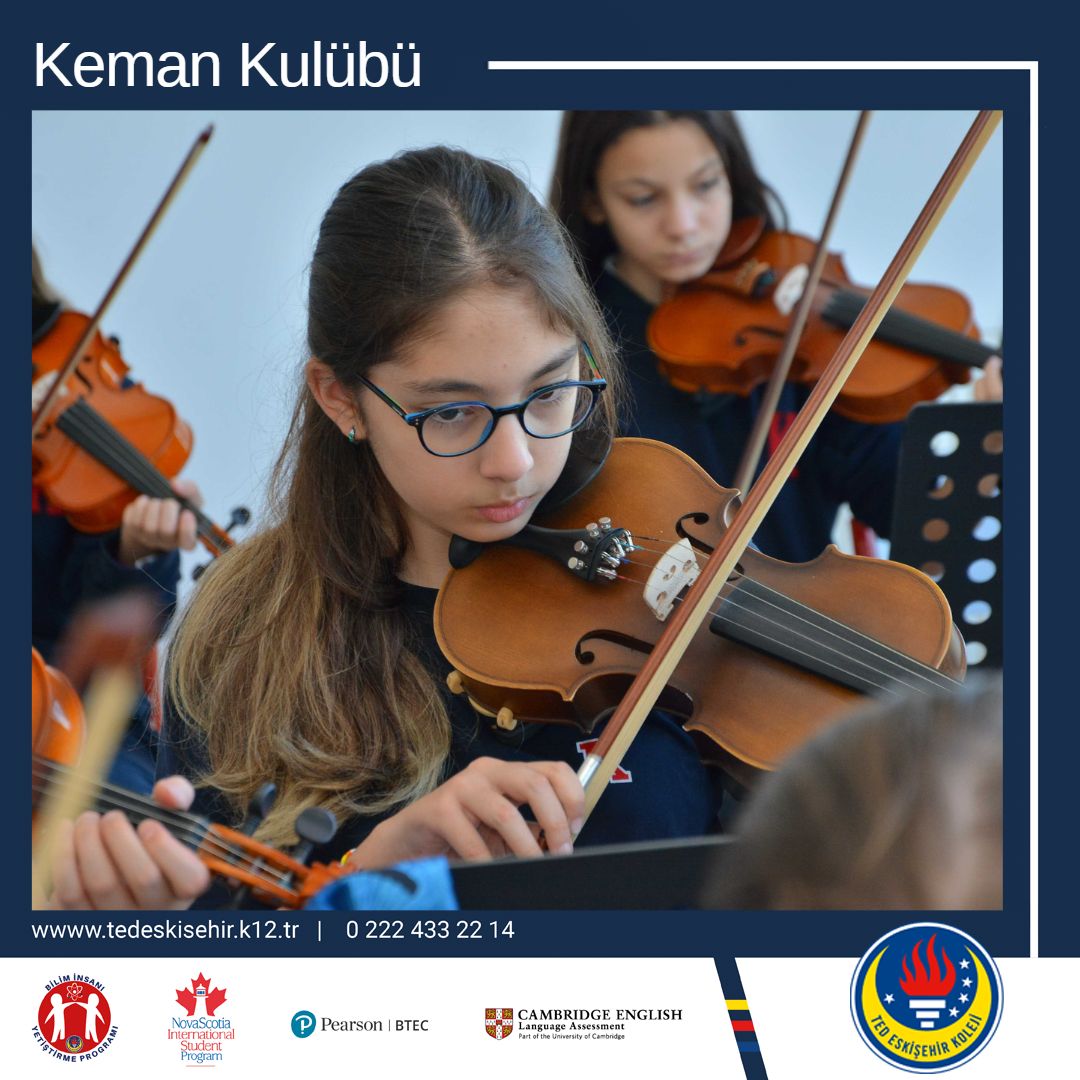
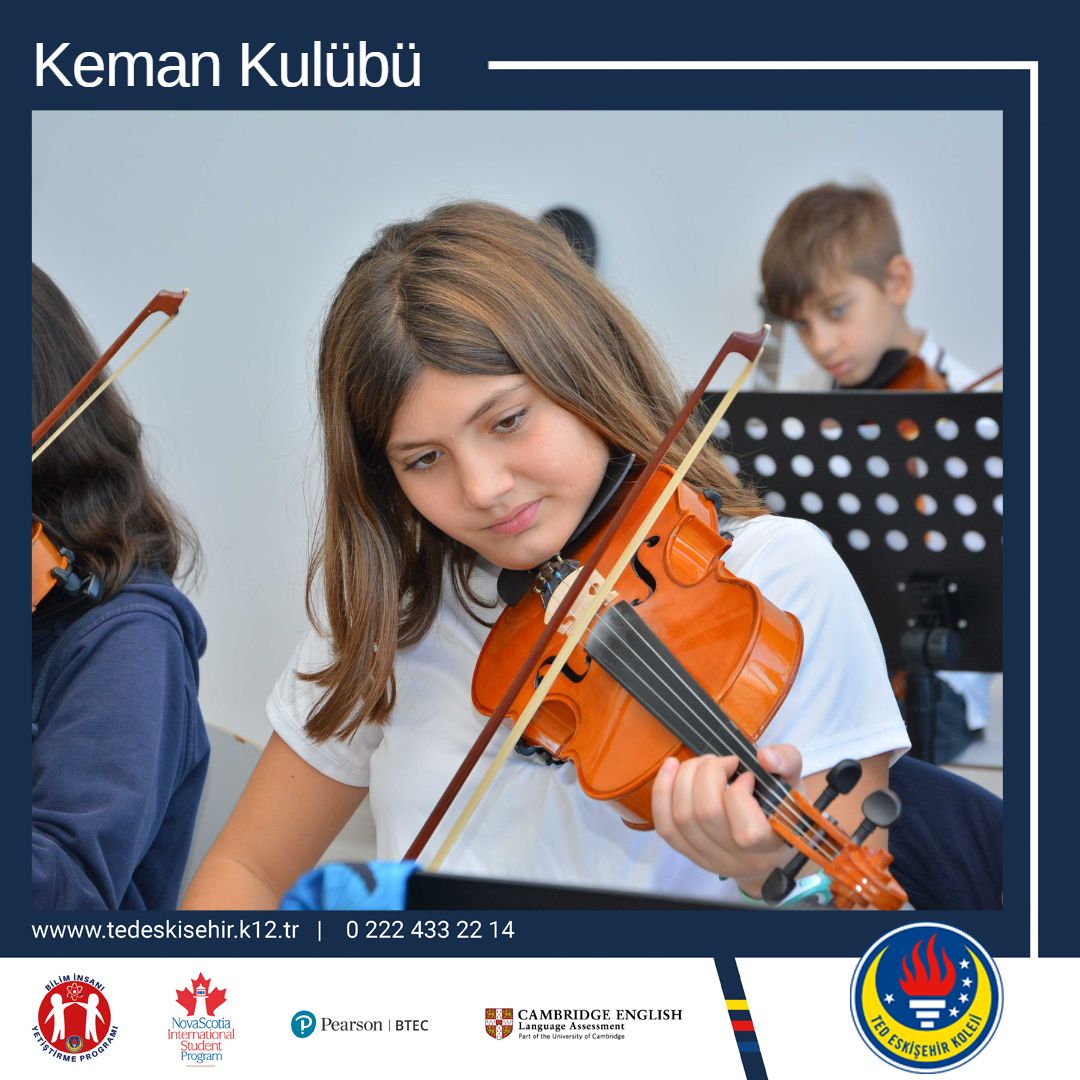
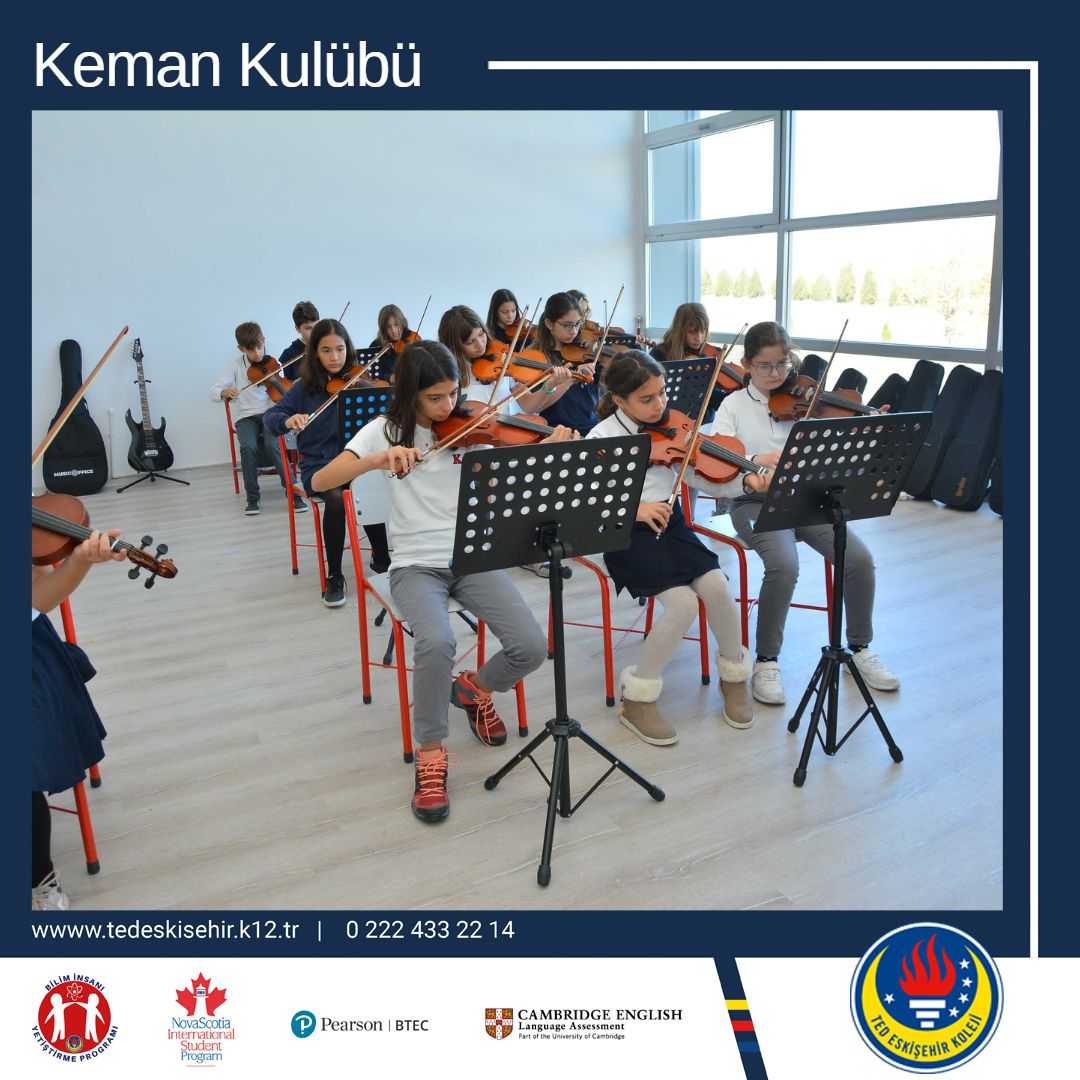
The violin is the smallest member of the violin family—which also includes the viola, cello, and double bass—and it produces the highest-pitched notes. It has four strings. The bow used to play the violin is called an "archet" (or simply a "bow"). At TED Eskişehir College, violin instruction is offered as part of the arts and sports curriculum. Playing the violin supports development in many proven ways:
· It fosters self-confidence and a sense of personal identity.
· It develops a child’s sense of music and rhythm.
· It makes it easier for a child to adapt to their environment.
· It encourages socialization.
· It is effective in helping to overcome learning or comprehension difficulties.
· It provides an enjoyable way to spend time.
· It teaches the value of teamwork.
· It teaches how to take on responsibility.
· It encourages a positive outlook and the ability to view life from different perspectives.
The cello (violoncello), a member of the string instrument family, is played using a bow similar to the one used for the violin. While it resembles the violin in shape, it is larger in size. Due to its large dimensions, it is played while seated. The instrument rests on the floor, supported by an endpin, and the strings are played using the fingers of the left hand. At TED Eskişehir College, cello instruction is offered as part of the arts and sports curriculum. Playing the cello supports development in many proven ways.
- It fosters self-confidence and a sense of personality.
- It develops a child's sense of music and rhythm.
- It makes it easier for a child to adapt to their environment.
- It encourages socialization.
- It is effective in overcoming difficulties with comprehension.
- It allows for an enjoyable time.
- They learn teamwork.
- They learn to take on responsibility.
- They learn to be positive and to view life from different perspectives.
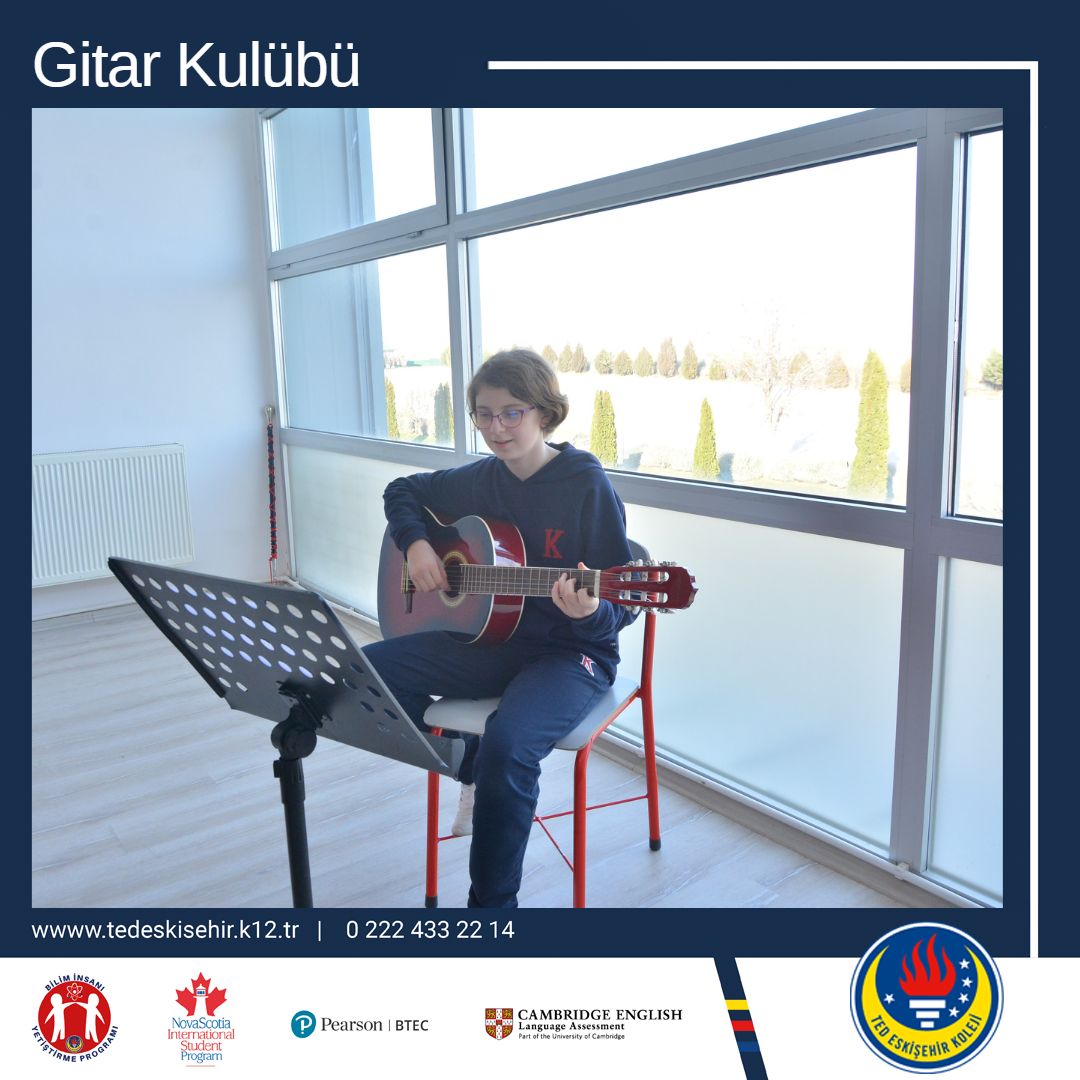
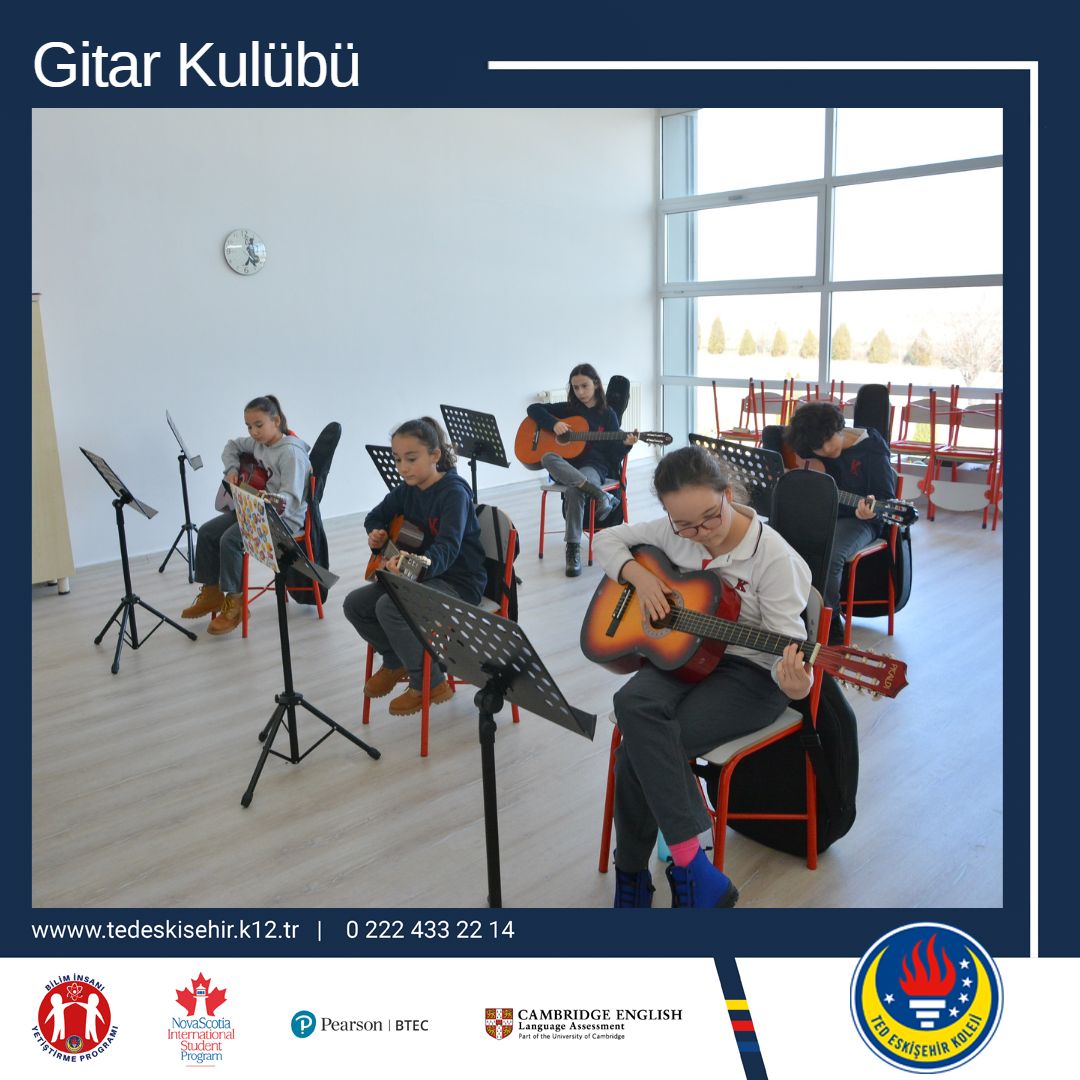
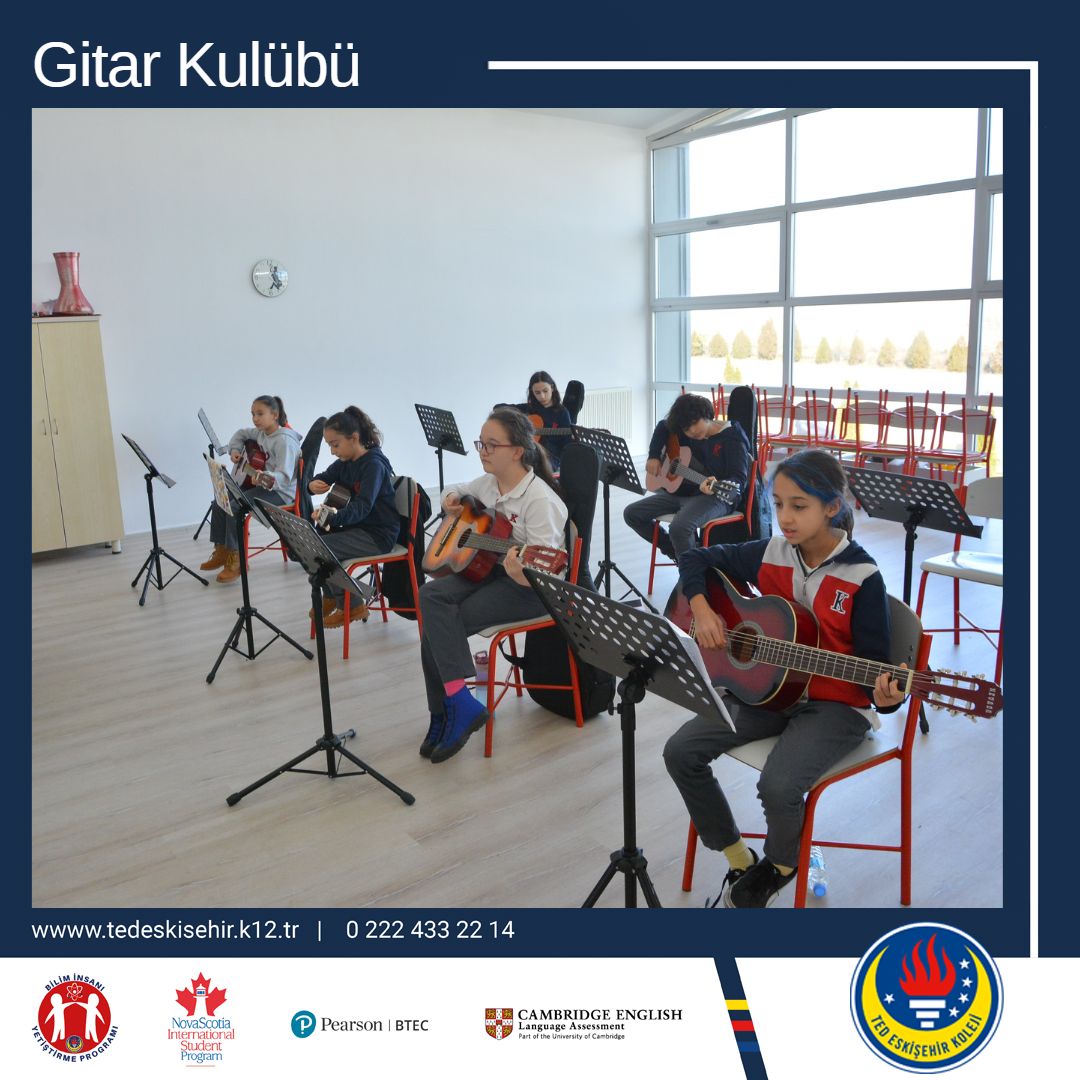
Music education received during childhood is highly significant for a child's development. Learning to play an instrument, in particular, is one of the most enjoyable hobbies a child can pursue to become a successful individual. As a string instrument, the guitar is one of the most effective choices, especially for playing popular music. The contributions of guitar training to child development are quite impressive.
- It improves hand-eye coordination.
- It develops fine motor skills.
- It fosters the ability to think in a multifaceted way.
- It enhances cognitive processes.
- It develops musical knowledge and a sense of rhythm.
- It builds self-confidence.