TED Eskişehir Özel İlkokulu
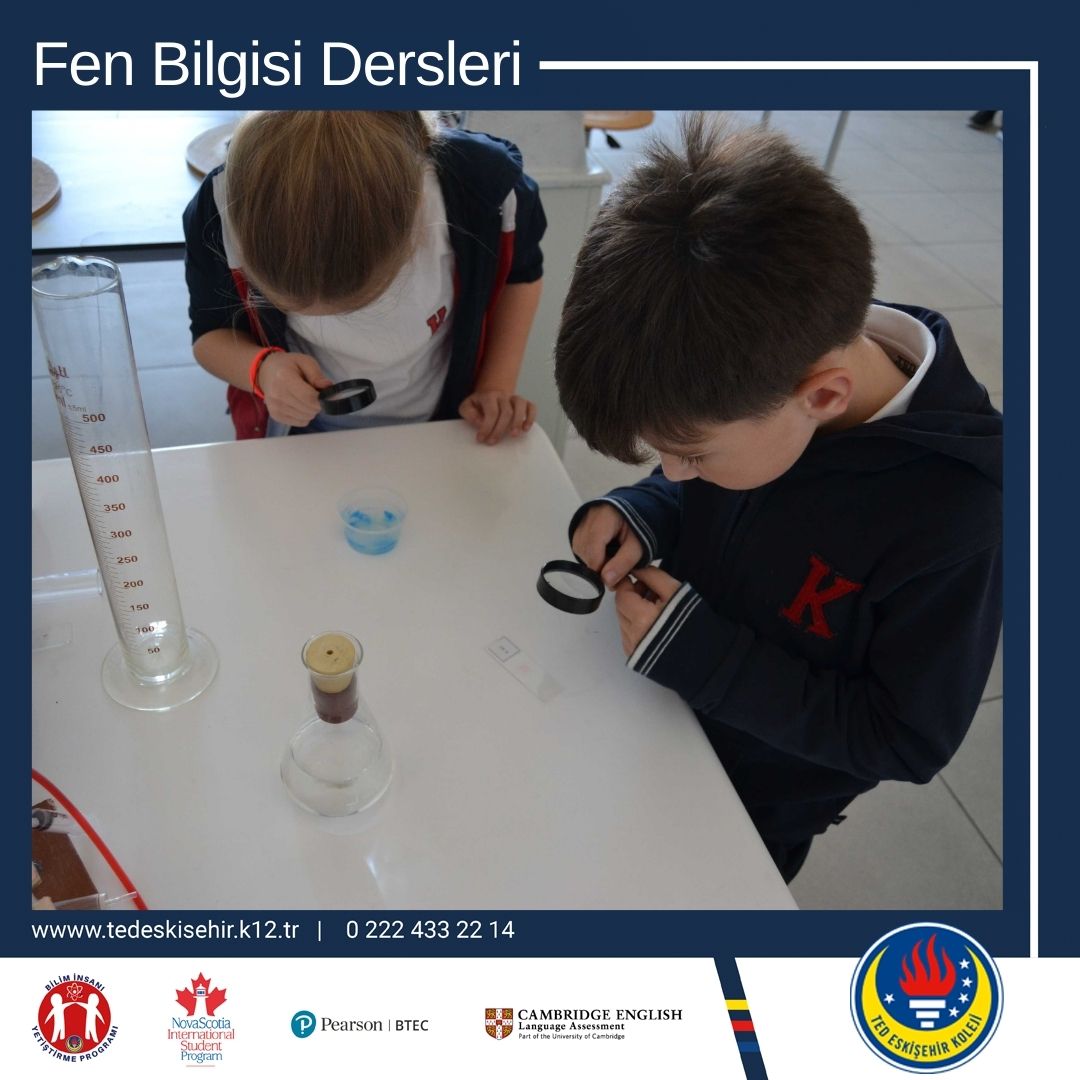
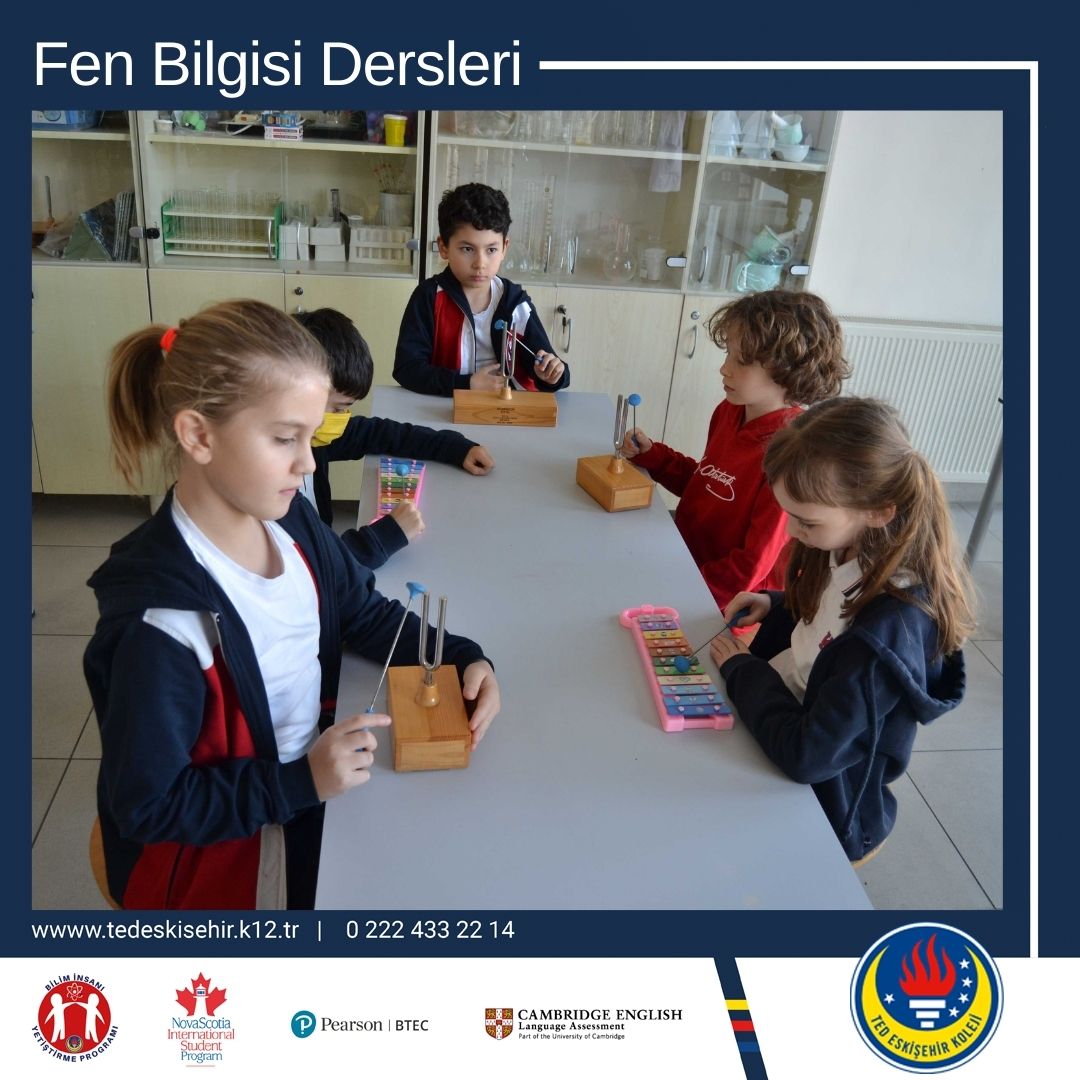
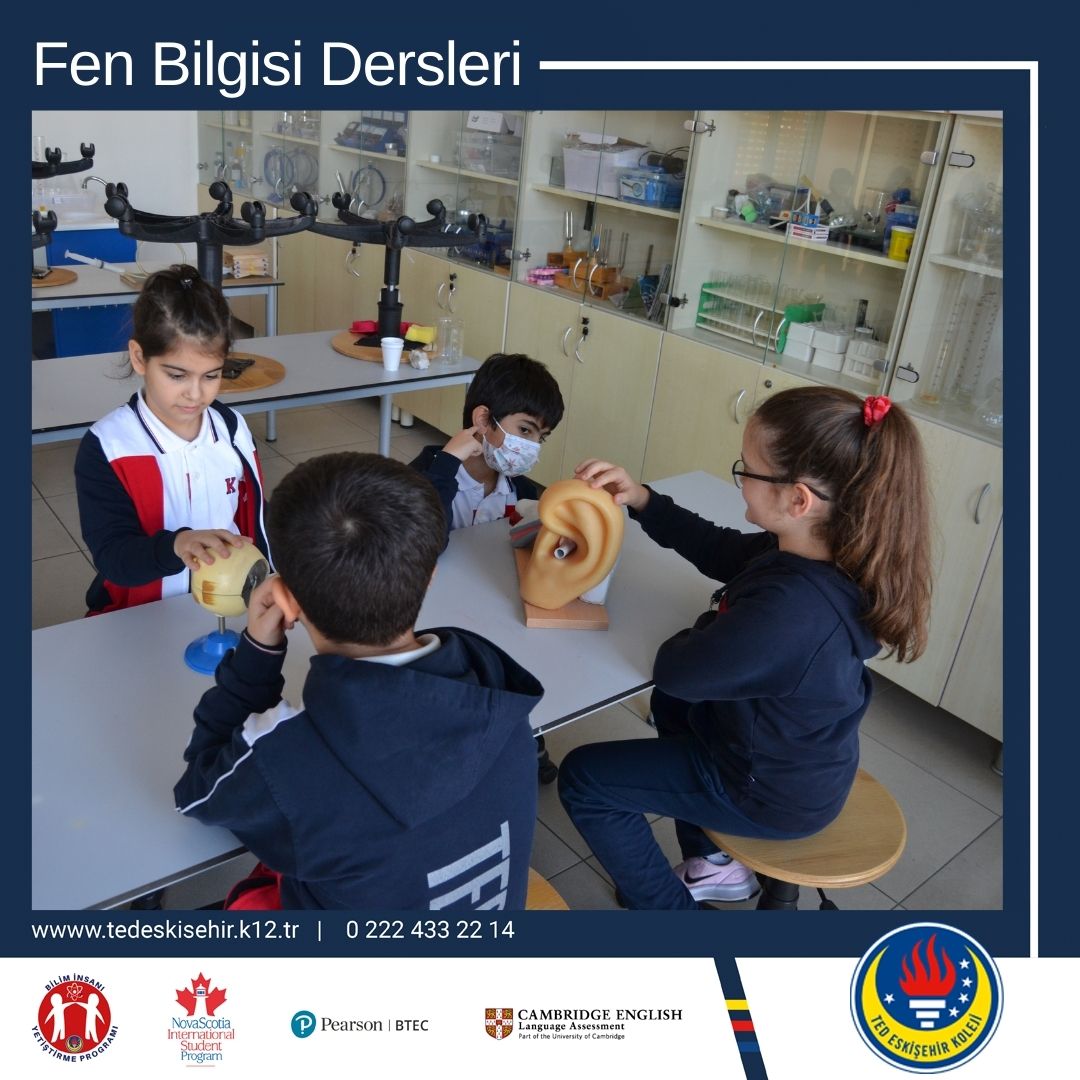
In primary school science lessons, students engage with content that is competent, up-to-date, and valid—material that allows them to connect their learning to real-life experiences. We place great importance on children taking responsibility for challenges they encounter in their daily lives and applying their scientific knowledge, process skills, and other life skills to resolve these issues.
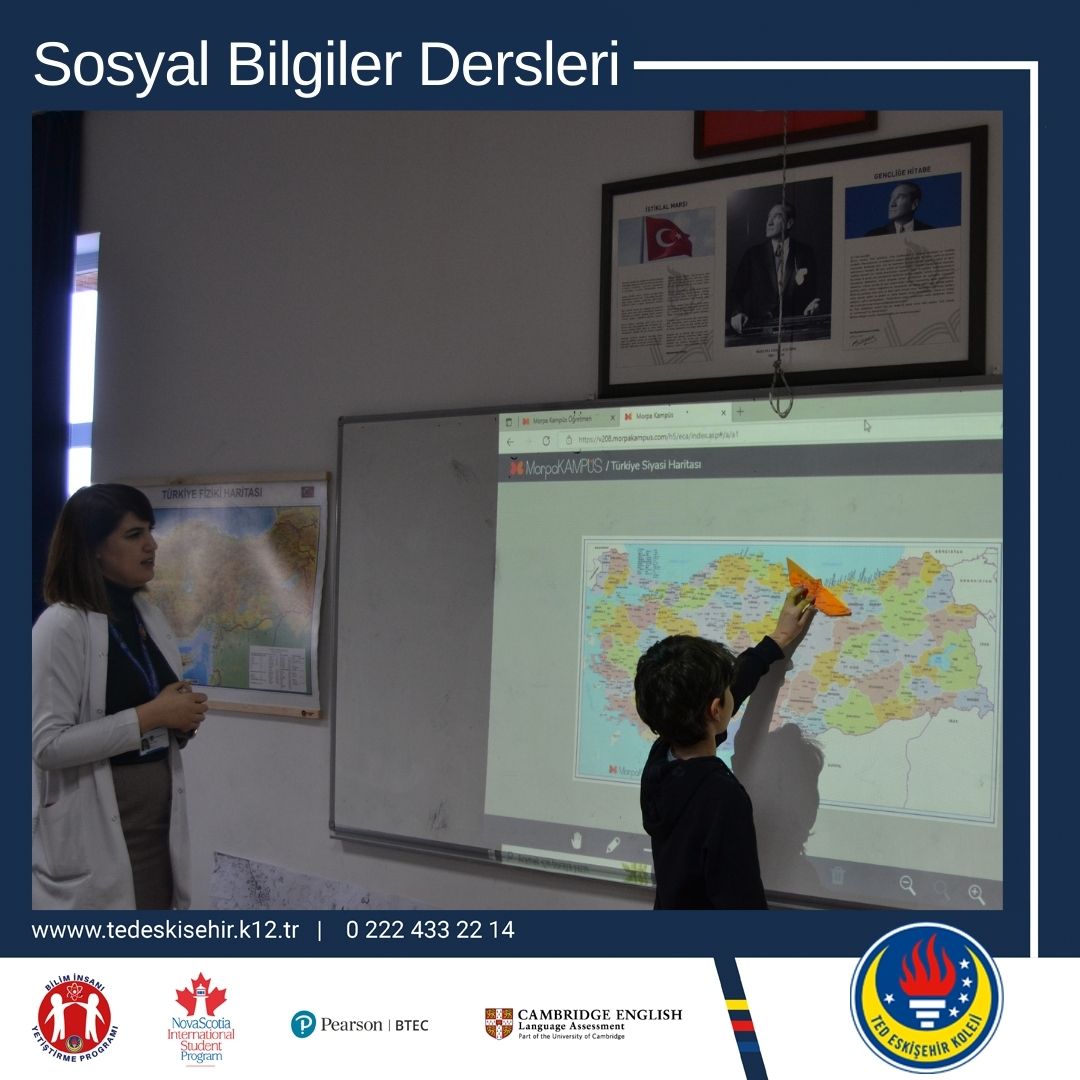
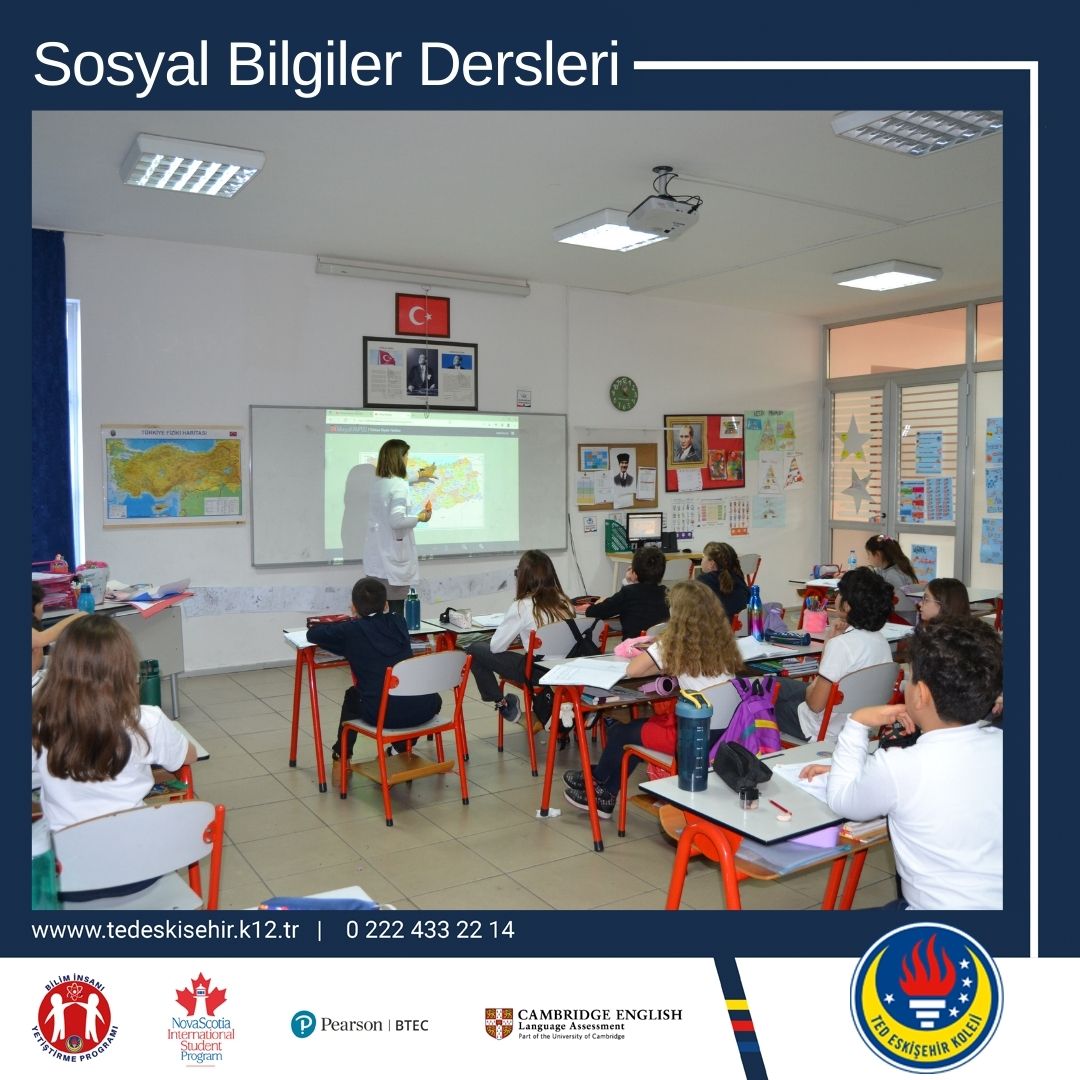
In our Social Studies curriculum, our goal is to raise students who are aware of their rights and exercise them, fulfill their responsibilities, and possess a strong sense of national consciousness. We aim to cultivate citizens who understand the significance of Atatürk’s principles and reforms in the social, cultural, and economic development of the Republic of Turkey; who are committed to upholding democratic, secular, national, and contemporary values; who recognize—with a clear understanding of the underlying rationale—that all individuals and institutions are equal before the law; and who can explain the interaction between humans and their environment by studying both their immediate surroundings and the broader geographical features of the world. Social Studies encompasses a wide range of skills, including empathy, critical thinking, self-regulation, research, and problem-solving. By fostering these competencies, we strive to develop free, autonomous, and enterprising individuals who are highly engaged in society. These skills will support our students’ lifelong learning and enable them to become "hybrid thinkers." Our philosophy in teaching Social Studies is to cultivate "hybrid" individuals.
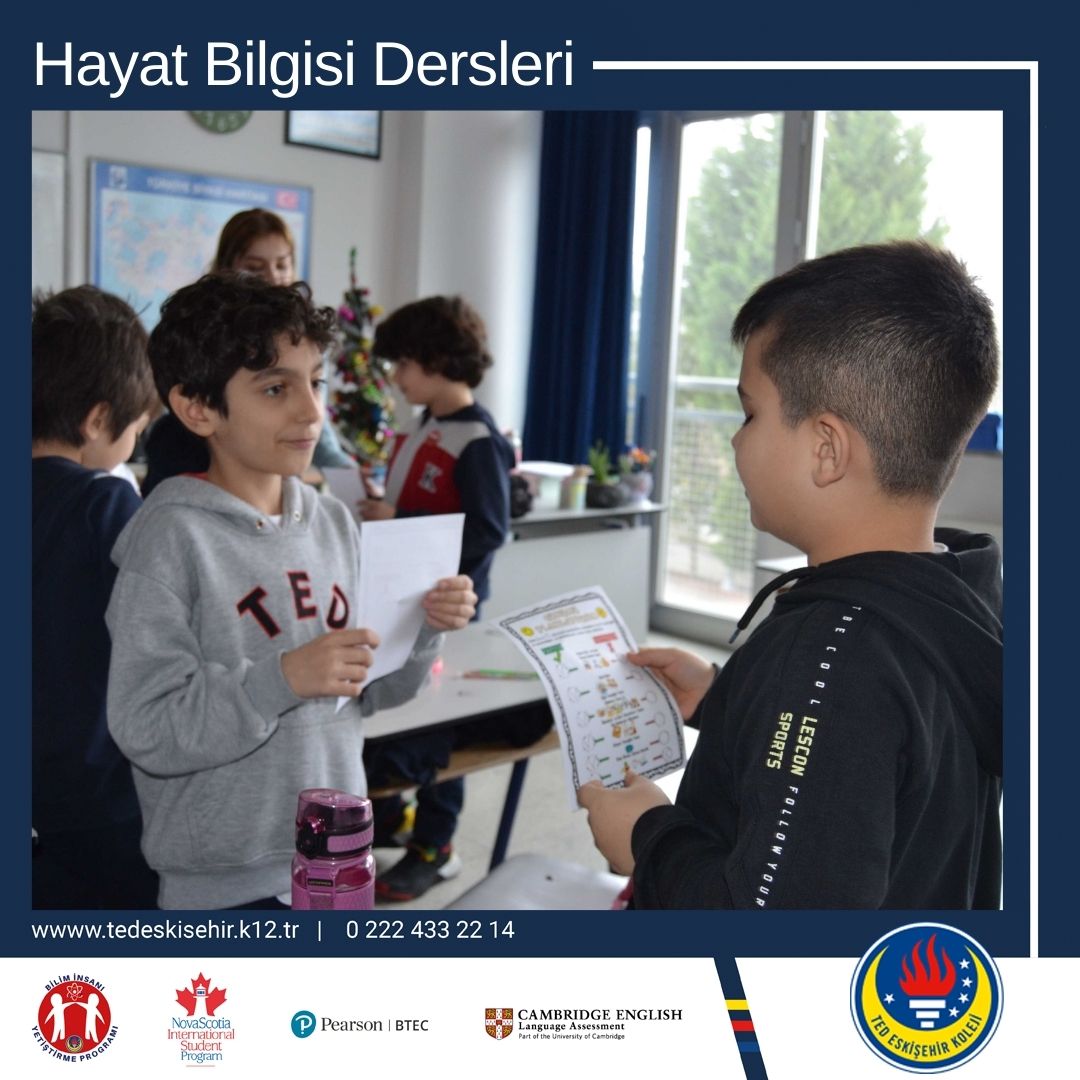
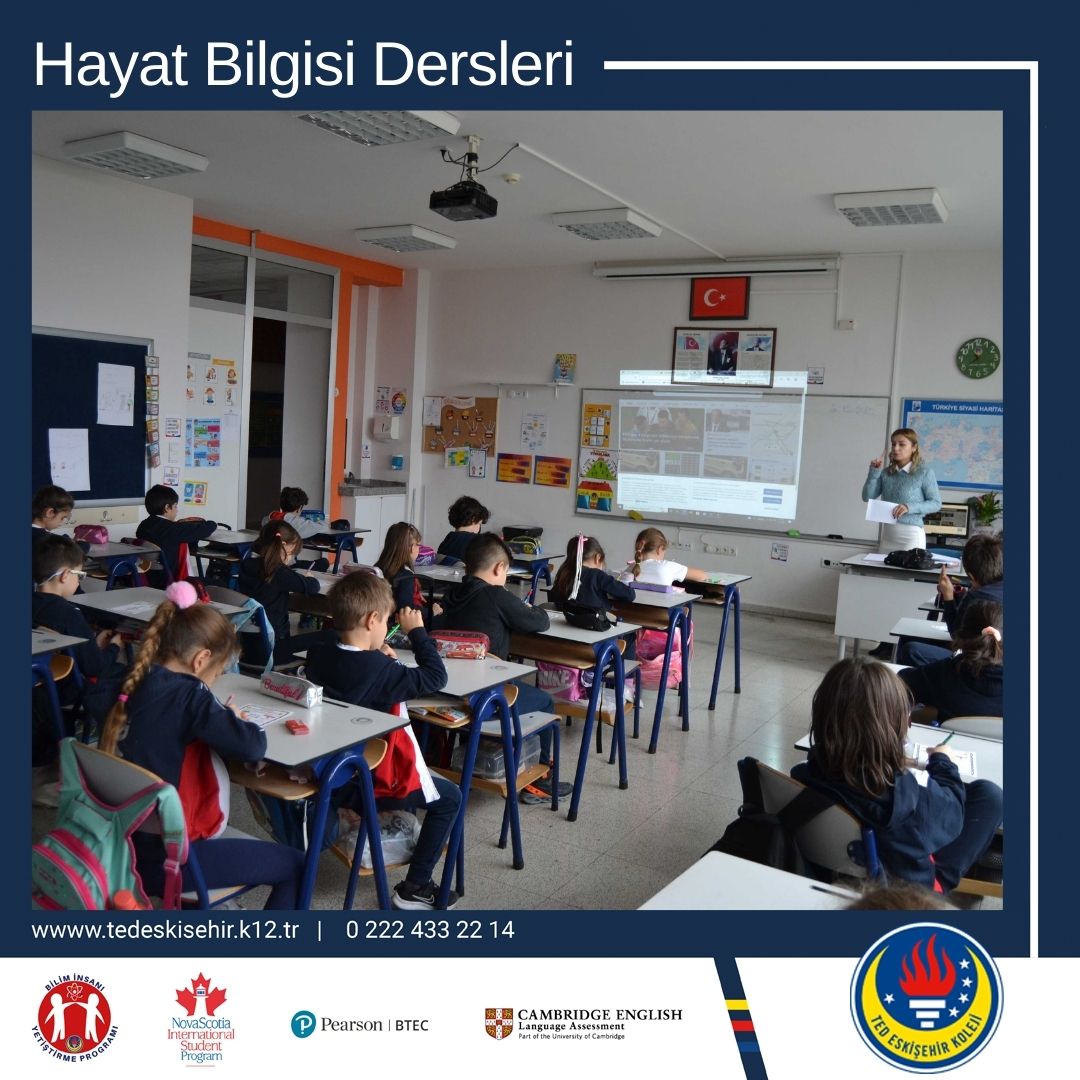
The fundamental skills to be acquired in our "Life Studies" (Hayat Bilgisi) courses include the ability to develop solutions to real-life problems by employing cognitive process skills, as well as the capacity to exhibit behaviors consistent with the requirements of social life. To this end, students are provided with opportunities to explore their natural and social environments through a variety of activities, enabling them to better understand both themselves and the world around them. By adopting an interdisciplinary approach—guided by the principles and reforms of Atatürk—we aim to cultivate students who possess a clear vision, function as exemplary citizens, and grow into responsible individuals.
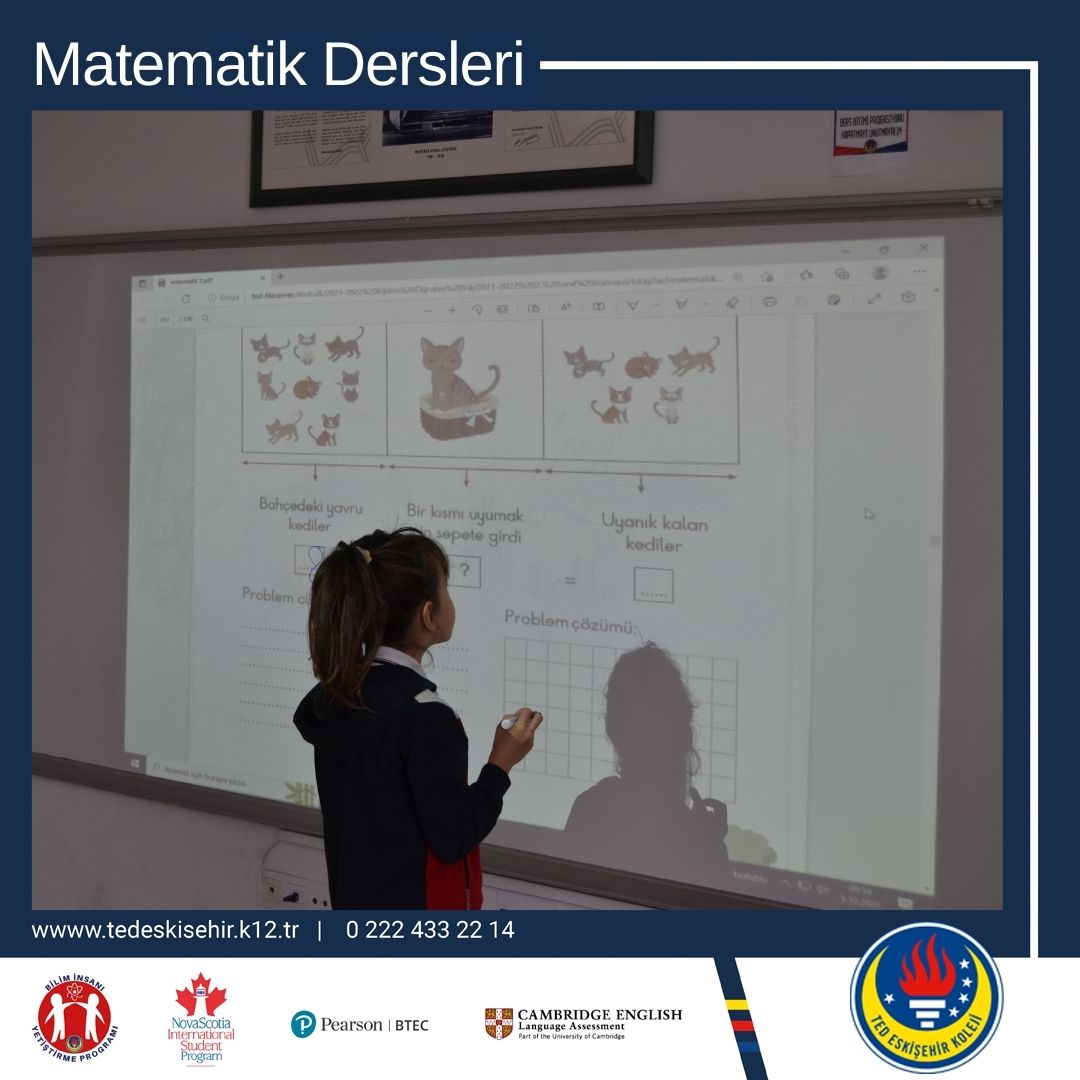
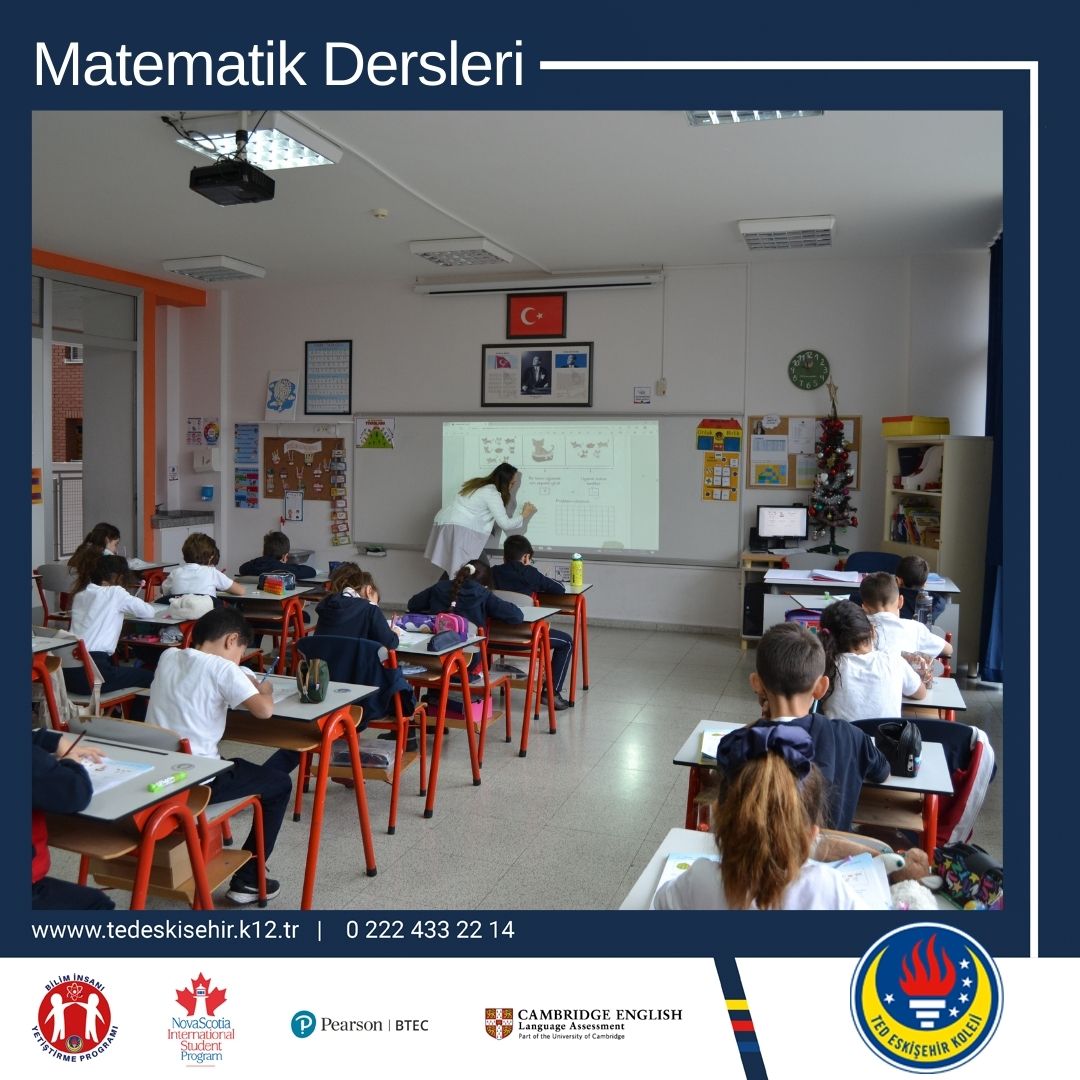
In primary school mathematics, the aim is to equip students with the mathematical knowledge, skills, and attitudes necessary for their daily lives and future stages of education.
The objectives include helping students grasp mathematical concepts and the relationships between them, understand the underlying meaning of operations, and develop procedural fluency. Students are encouraged to transition from concrete experiences to abstraction; to engage in problem-solving, communication, and reasoning; and to learn to connect mathematics both internally and with other fields. Furthermore, the goal is to provide an environment where students can conduct research, make discoveries, solve problems, share and discuss their solutions and approaches, and explore the aesthetic and enjoyable aspects of mathematics.
The learning process is built upon the principles of active mental and physical participation, taking responsibility for one’s own learning, engaging in dialogue, questioning, critical thinking, discussion, collaboration, and evaluation.
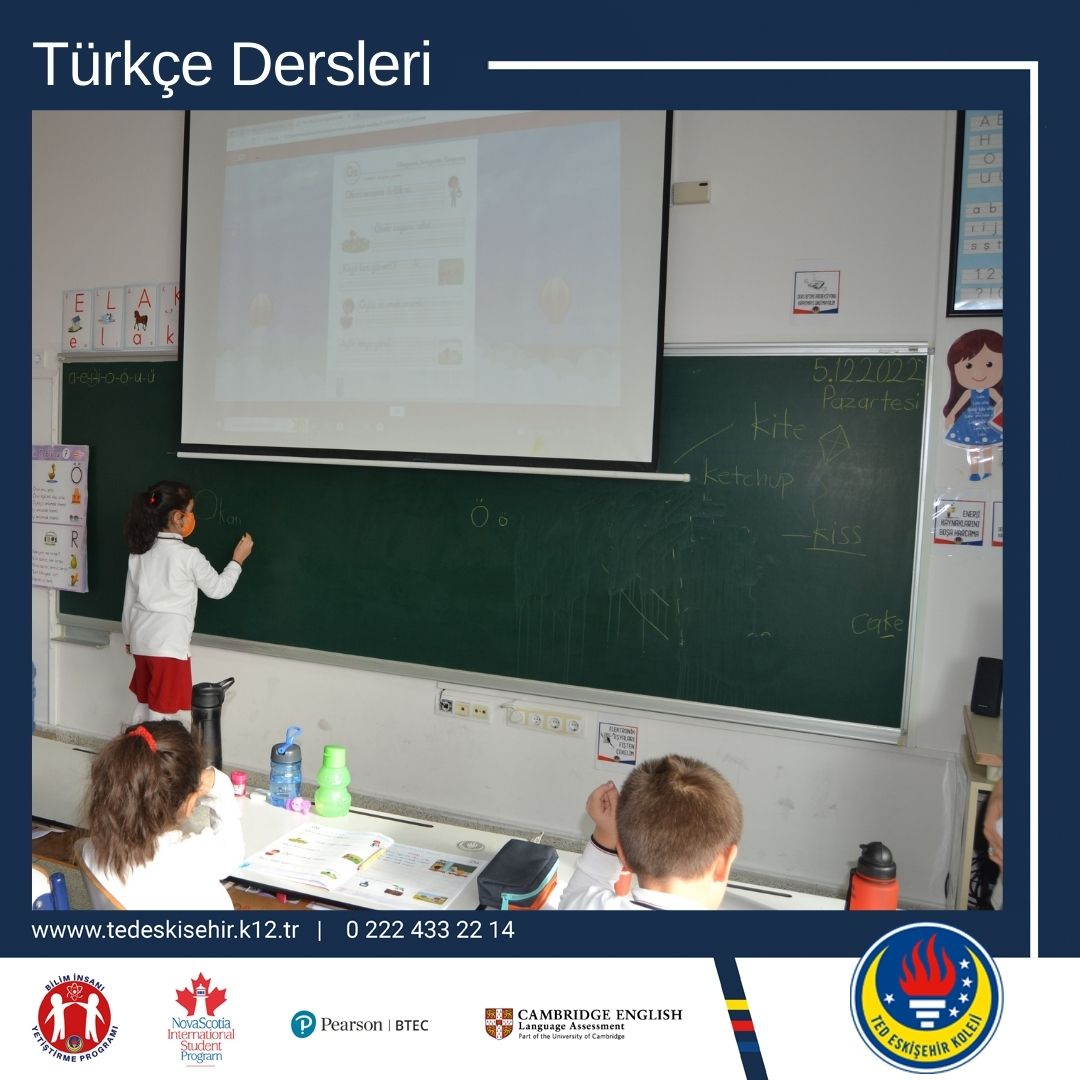
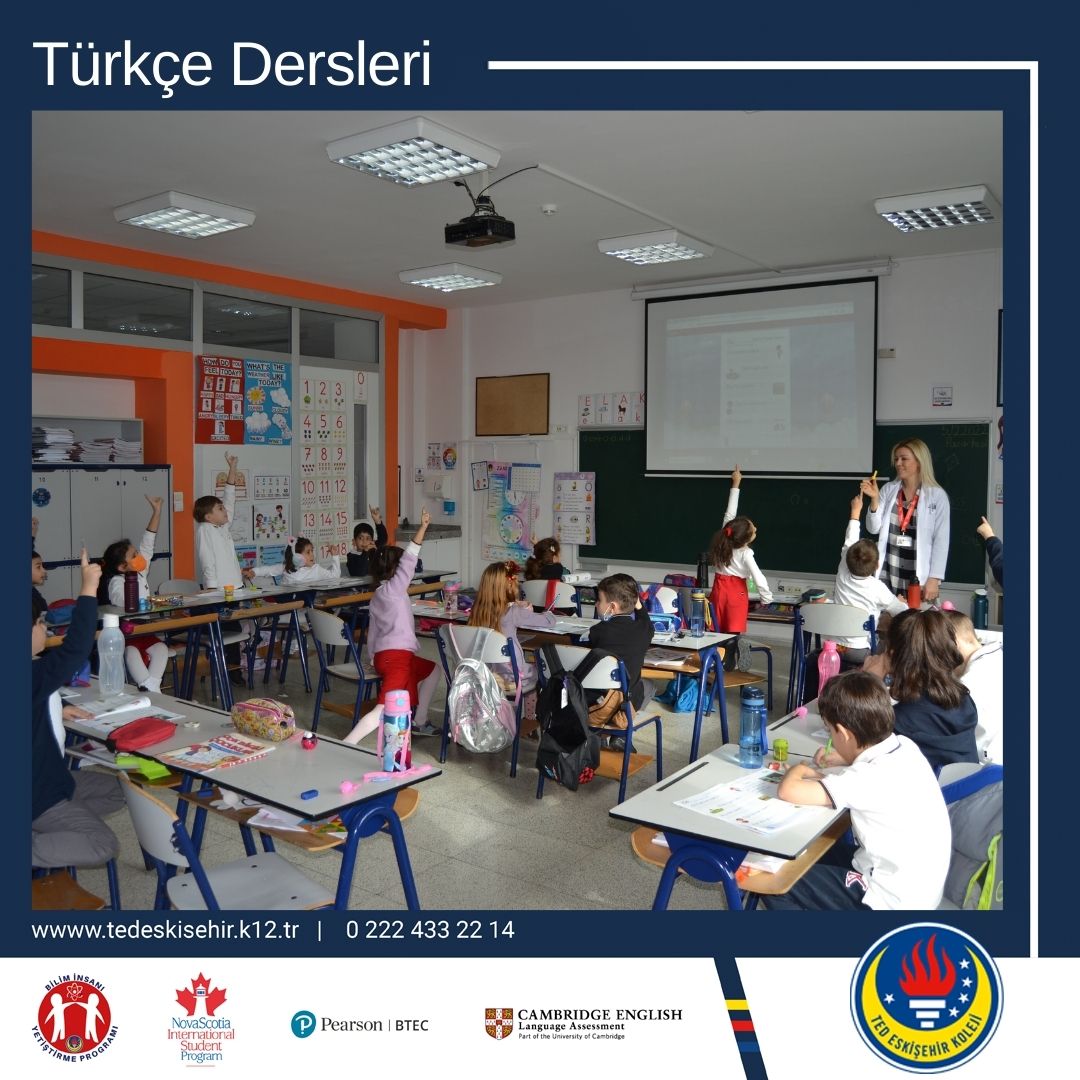
At TED Eskişehir College, in the first grade of primary school, Turkish language lessons are conducted in alignment with the learning objectives set out in the curriculum prepared by the Ministry of National Education. In this process, upright, non-cursive (print) letters are used for writing, while a phonics-based sentence method is employed for reading instruction.
The goal of initial literacy instruction is not merely to ensure that students learn to read and write; it also aims to foster and develop their skills in thinking, comprehending, questioning, making connections, and evaluating. Once students have acquired literacy skills, the focus shifts to enabling them to express themselves—both in writing and orally—by using the Turkish language accurately, fluently, and effectively. Activities tailored to each grade level are implemented to enhance students' reading and writing abilities. These activities continue through the fourth grade, during which students are taught the rules of orthography and punctuation appropriate for their respective grade levels. To improve reading fluency, students engage in various practices, including reading aloud, silent reading, and exercises focusing on emphasis, intonation, and meaningful expression. Students also participate in discussions centered on specific texts or topics. To strengthen critical thinking skills, students at every grade level examine books, helping them build a lasting rapport with literature. Furthermore, to foster an interest in children's literature, an interview with an author is organized each year.
Our educational approach focuses on helping students understand life through art, transforming their creativity into tangible work by utilizing their artistic skills, and encouraging them to interpret the world from their own unique perspectives. Within the scope of our lessons, students not only acquire the ability to apply fundamental painting terminology, techniques, and methods, but also have the opportunity to express themselves through three-dimensional projects. Our students learn to work with diverse materials and in groups, build self-confidence, and strengthen their manual dexterity. The artwork created allows for an optimal assessment of each student’s knowledge and skills, and these pieces are subsequently showcased in an end-of-year exhibition.
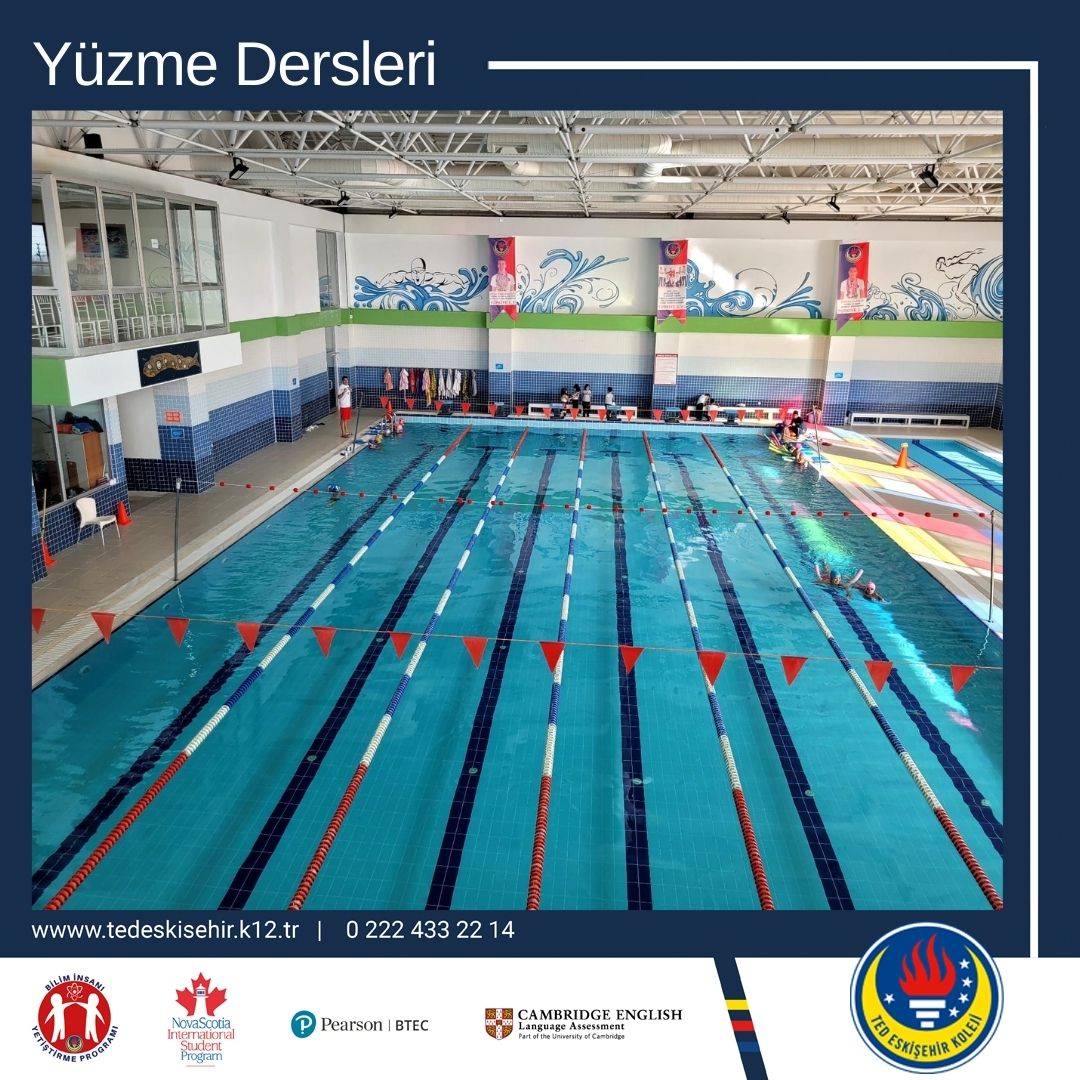
Swimming supports both the physical and mental development of children. Beyond promoting good health, it serves as a social gateway—helping children connect with new peers and build friendships—while also boosting their self-confidence. In primary education, the weekly curriculum for the first, second, and third grades includes two hours of swimming instruction.
In our swimming lessons, we tailor our approach to each student's current skill level. We focus on foundational goals such as fostering a love for the water, learning to float, and practicing breathing techniques. For more advanced students, we work on developing specific swimming strokes—freestyle, backstroke, breaststroke, and butterfly—in line with established learning objectives.
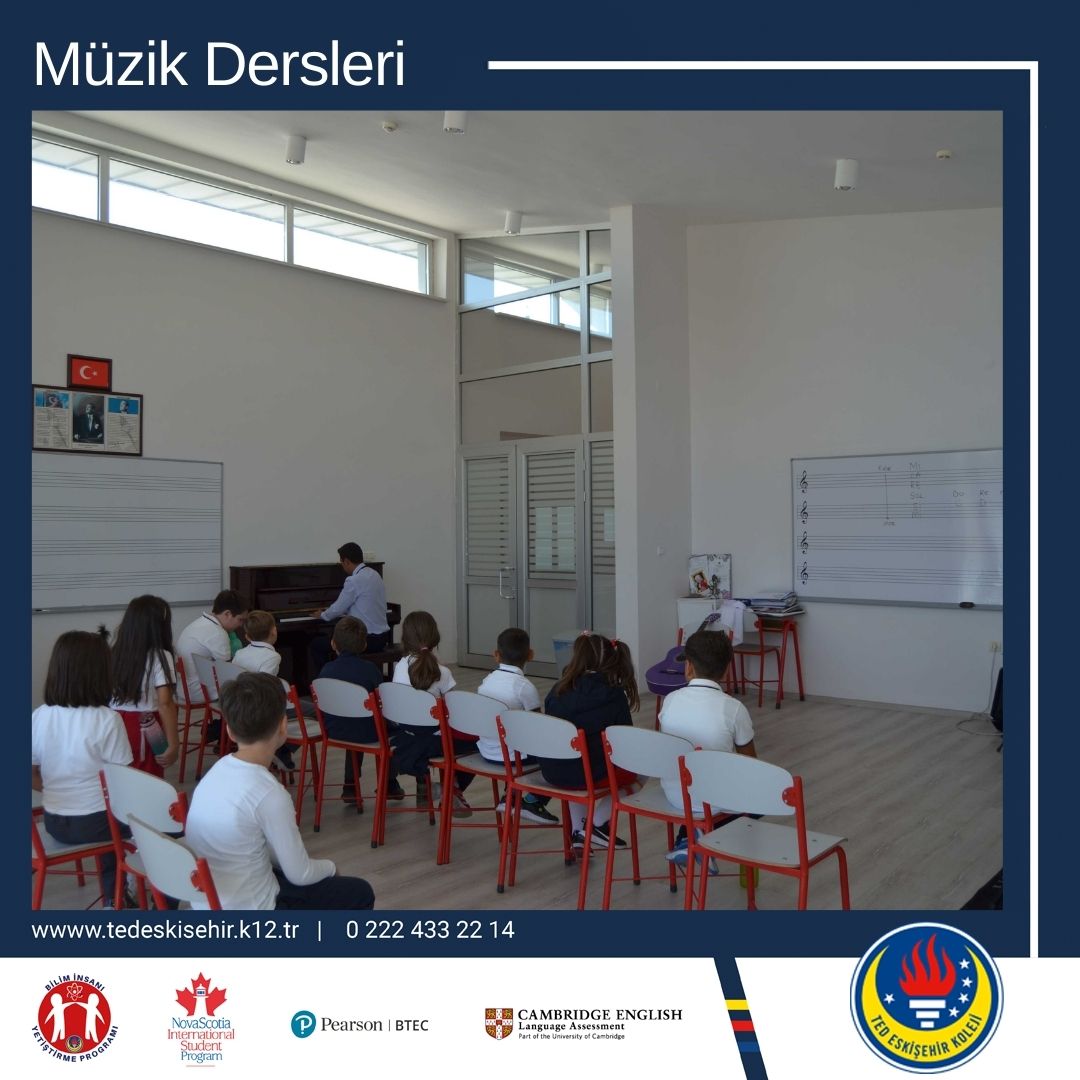
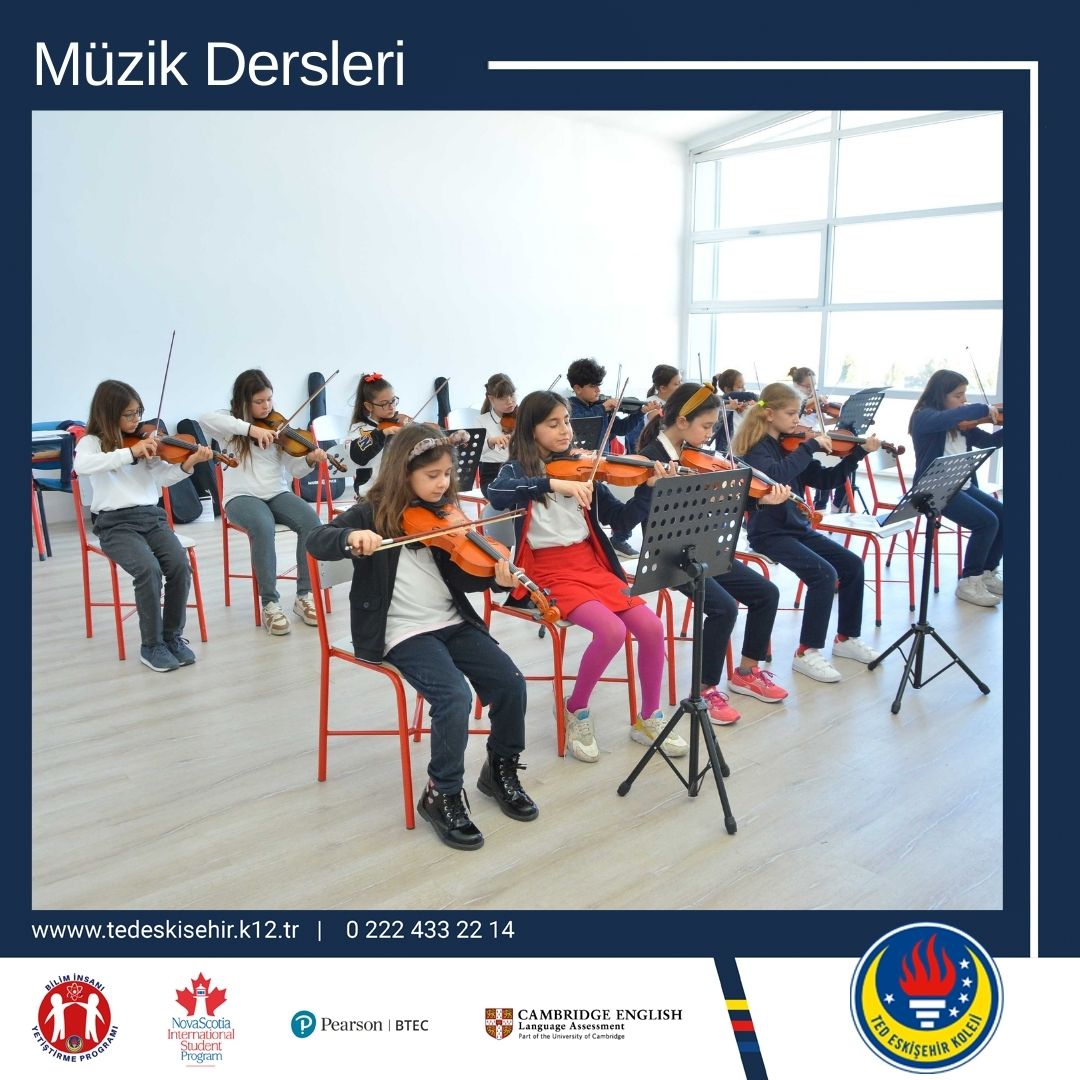
At TED Eskişehir College Primary School, our goal is for students to become conscious listeners of music, to grasp the role and significance of music in human life, to express their emotions and thoughts through music, and to integrate music into their daily experiences. We aim to ensure they gain knowledge about a wide variety of musical genres—both universal and national—while also discovering and developing their individual talents and enabling them to learn to play at least one musical instrument.
At every grade level, students receive foundational musical knowledge alongside instrumental training. In the 1st grade, students participate in Orff-based music education; in the 2nd and 3rd grades, they learn to play the melodica; and in the 4th grade, they continue their music studies by choosing one instrument from the following options: violin, ukulele, or guitar.
By selecting musical pieces and exercises appropriate to their proficiency levels, we help our students unlock their musical creativity.
Our goal is to help students make music an integral part of their lives through active engagement and hands-on musical experiences, and—by means of music—to ensure they grow into individuals who are:
- At peace with themselves and their surroundings,
- Knowledgeable about both national and international cultures,
- Possessed of a love for their country and nation,
- Sensitive to the events, changes, and developments in the world around them,
- Open to all forms of fine arts,
- And who are happy, possess a strong sense of character, and have self-confidence.
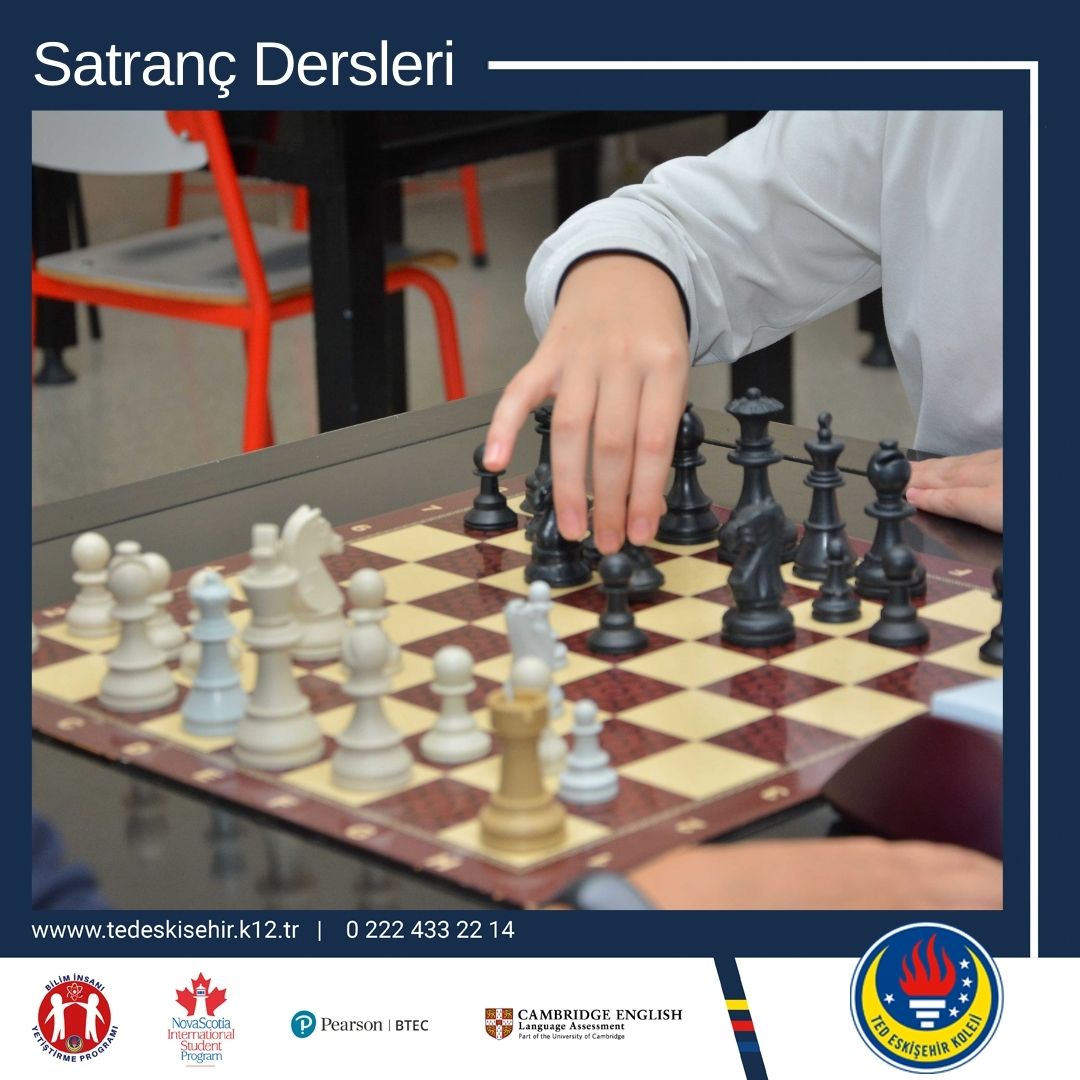
Chess is an activity that allows children to develop strategies while having fun, and it can serve as a bridge between cultures. Since chess is played all over the world, children learn a game that speaks a universal language. Research has shown that chess instruction during the preschool years contributes positively not only to the game itself but also to the foundational skills required for many academic subjects that children will encounter later in their education.
Starting chess at an early age is important; however, the quality of instruction and the role of the instructor are crucial at this stage. In our kindergarten program, for 4- and 5-year-olds, we introduce chess through one-hour weekly sessions that incorporate storytelling, coloring, various interactive activities, online games, songs, and drama—all designed to help students develop a genuine love for the game.
Through chess, we aim to equip our students with essential skills, including problem-solving, independent decision-making, strategy development, humility, and the resilience to persist even after a defeat.
At TED Eskişehir College, the P4C (Philosophy for Children) program is implemented to cultivate students who adopt a critical perspective, examine cause-and-effect relationships, respect differences, and possess strong communication skills. Through these sessions—which aim to develop students' abilities in self-expression, confidence in their own ideas, active listening, respecting the views of others, using "I" language, forming emotional connections, and engaging in discussion—we foster the growth of individuals with high self-esteem, a strong sense of self, empathy, and multidimensional thinking skills. In the Philosophy for Children program, students work with concepts; they are encouraged to freely question thoughts and judgments without the pressure to provide a specific answer or reach a definitive conclusion. In the educational environment, students—fully aware that they are part of a community rather than just a classroom—explore ways to express their thoughts by reflecting both individually and collectively.
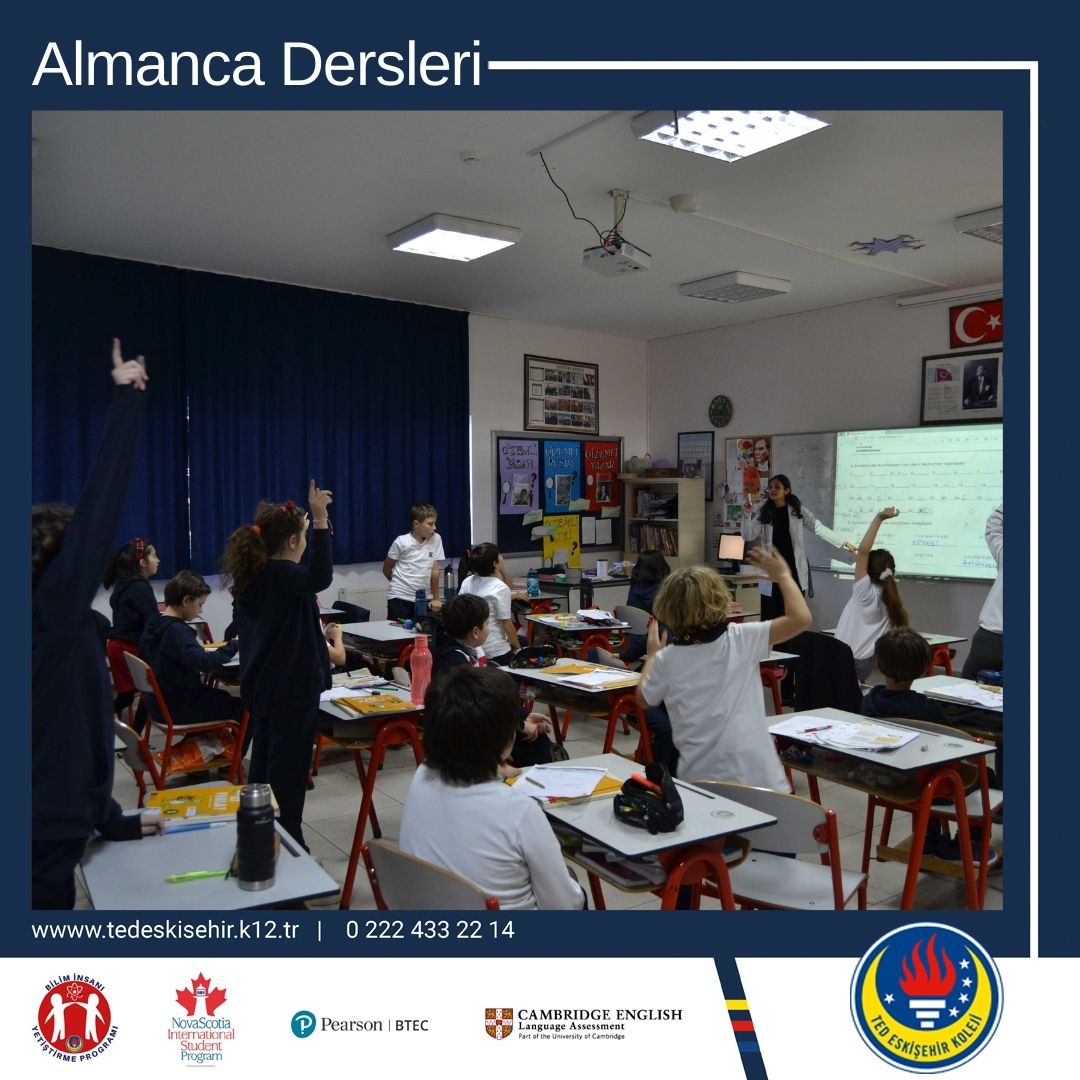
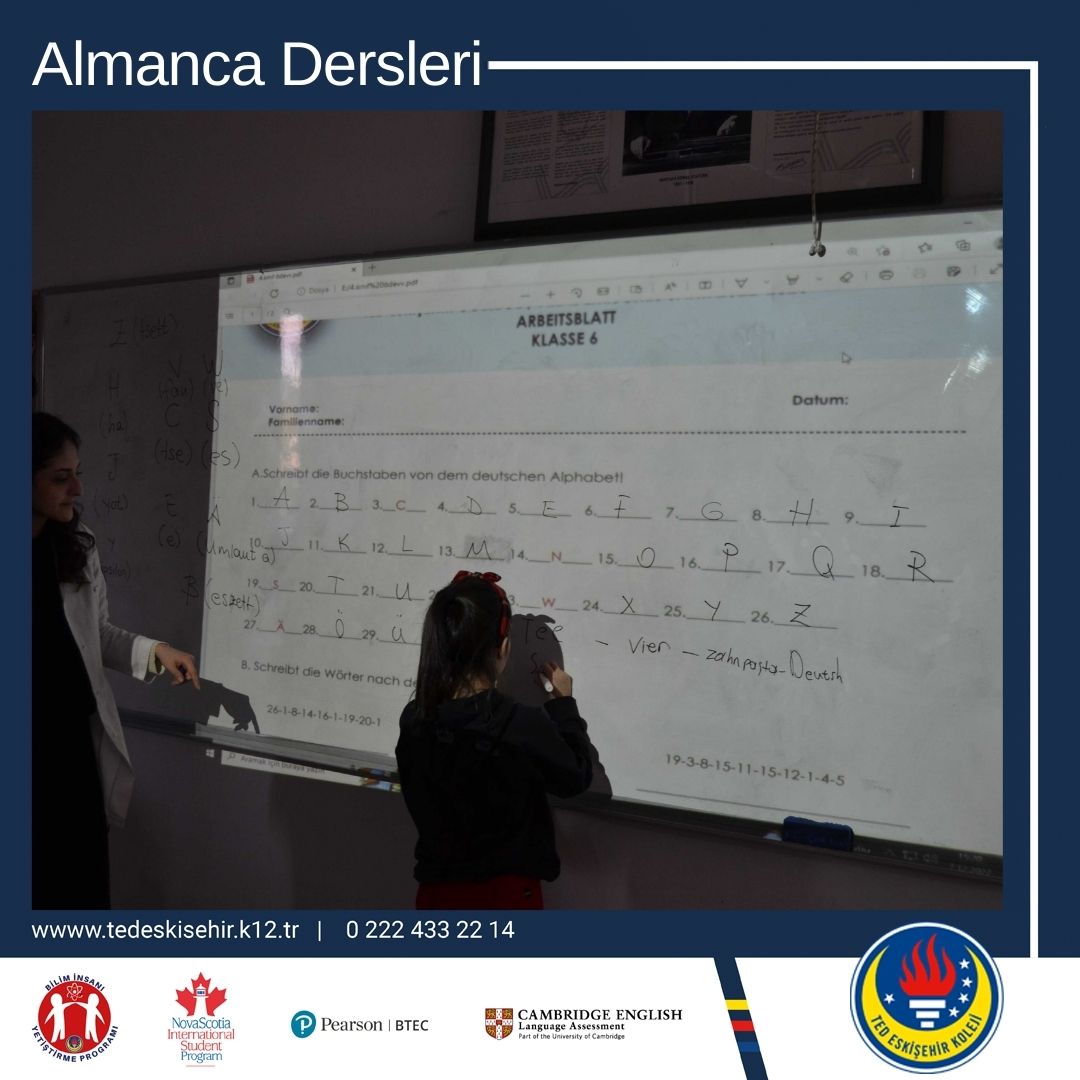
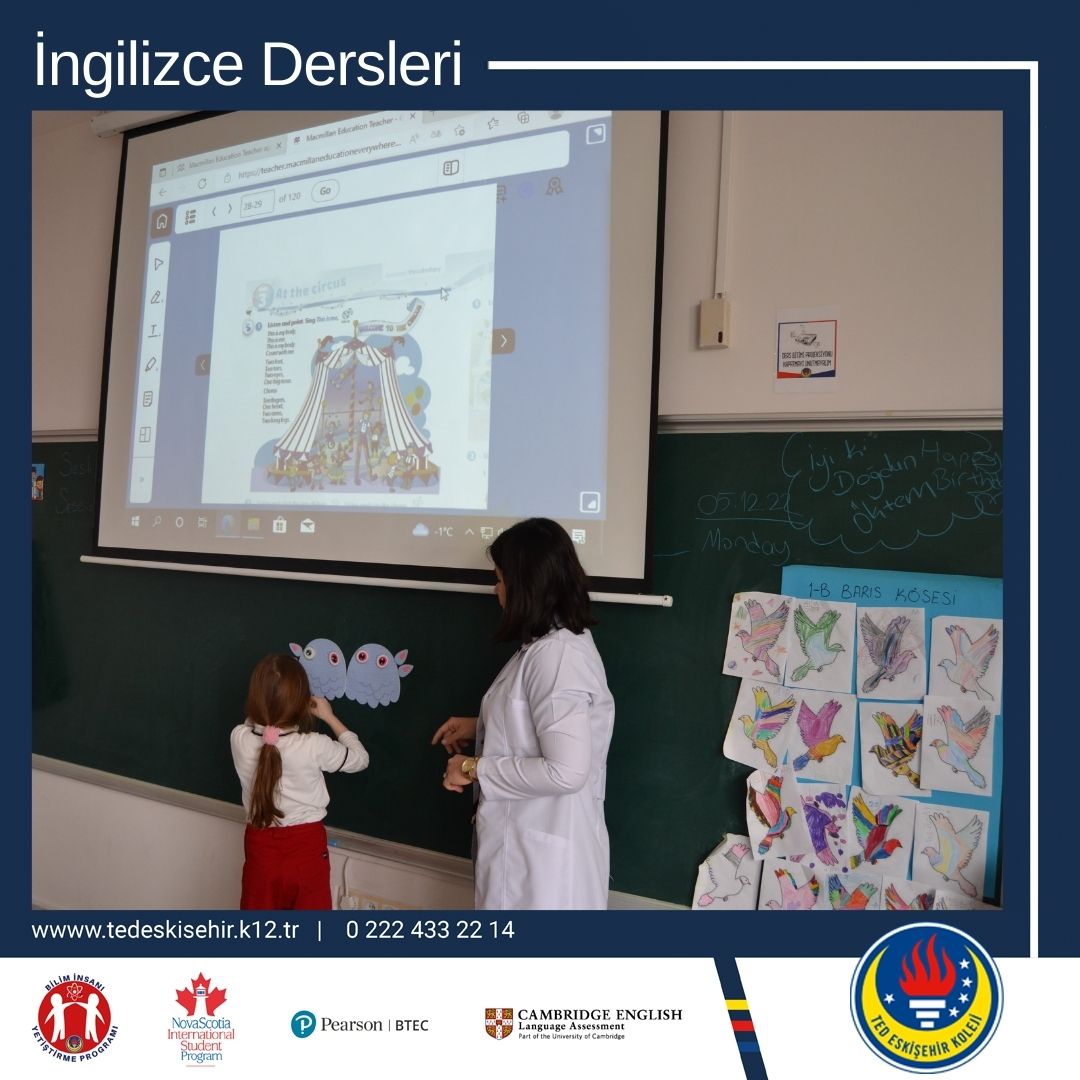
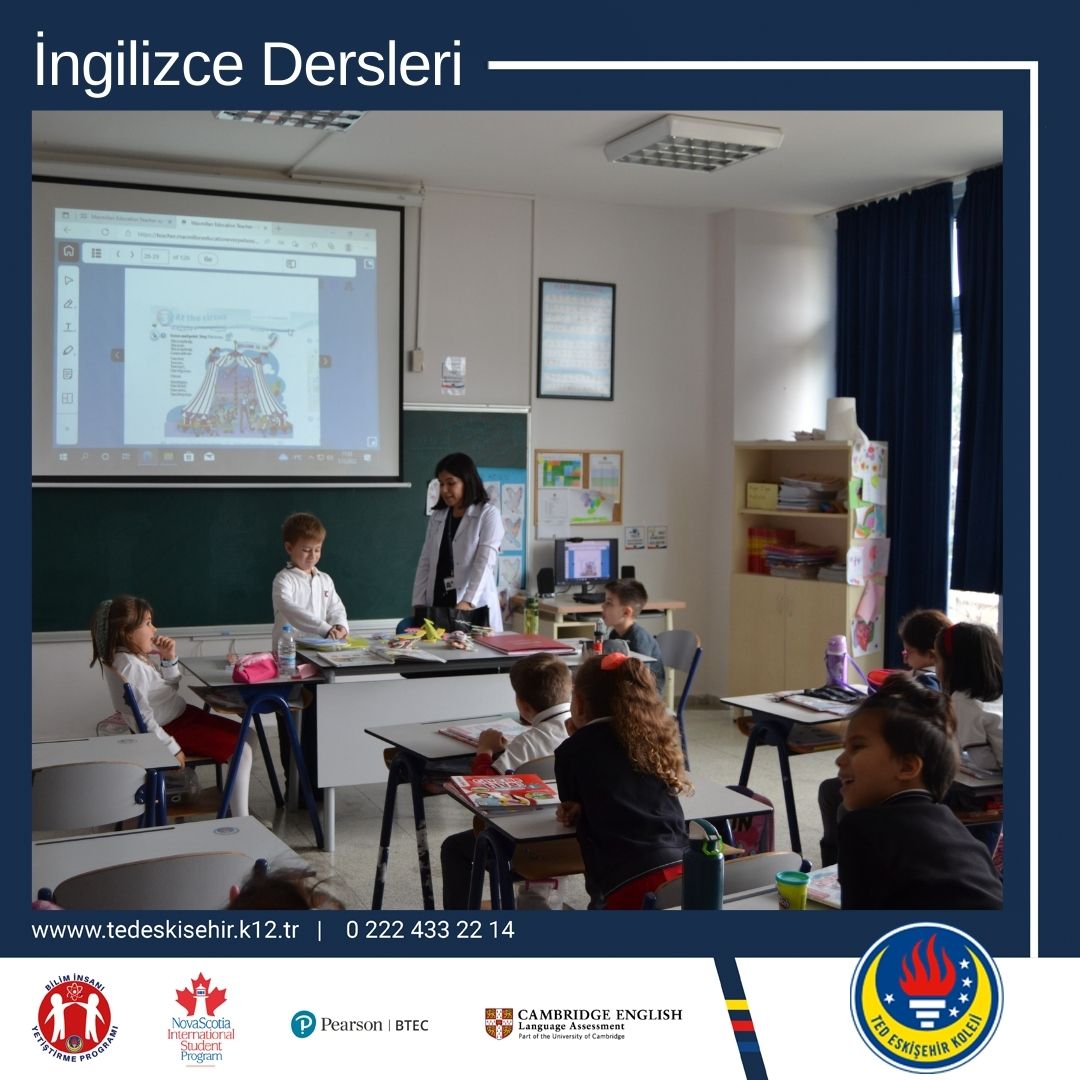
While knowing one foreign language was once a necessity, being proficient in two has now become highly significant in our lives. In this shrinking world, every language you learn strengthens your communication links and gives you a head start in both your social and professional life. Beginning foreign language education at an early age is of great importance. For this reason, at TED Eskişehir College, our students begin learning a second foreign language—German—in the 4th grade. The second foreign language program is designed in accordance with the Common European Framework of Reference for Languages (CEFR). The goals and competencies defined within this framework determine the appropriate level of study for students at each grade level.
The communicative approach serves as the foundation for our language instruction.
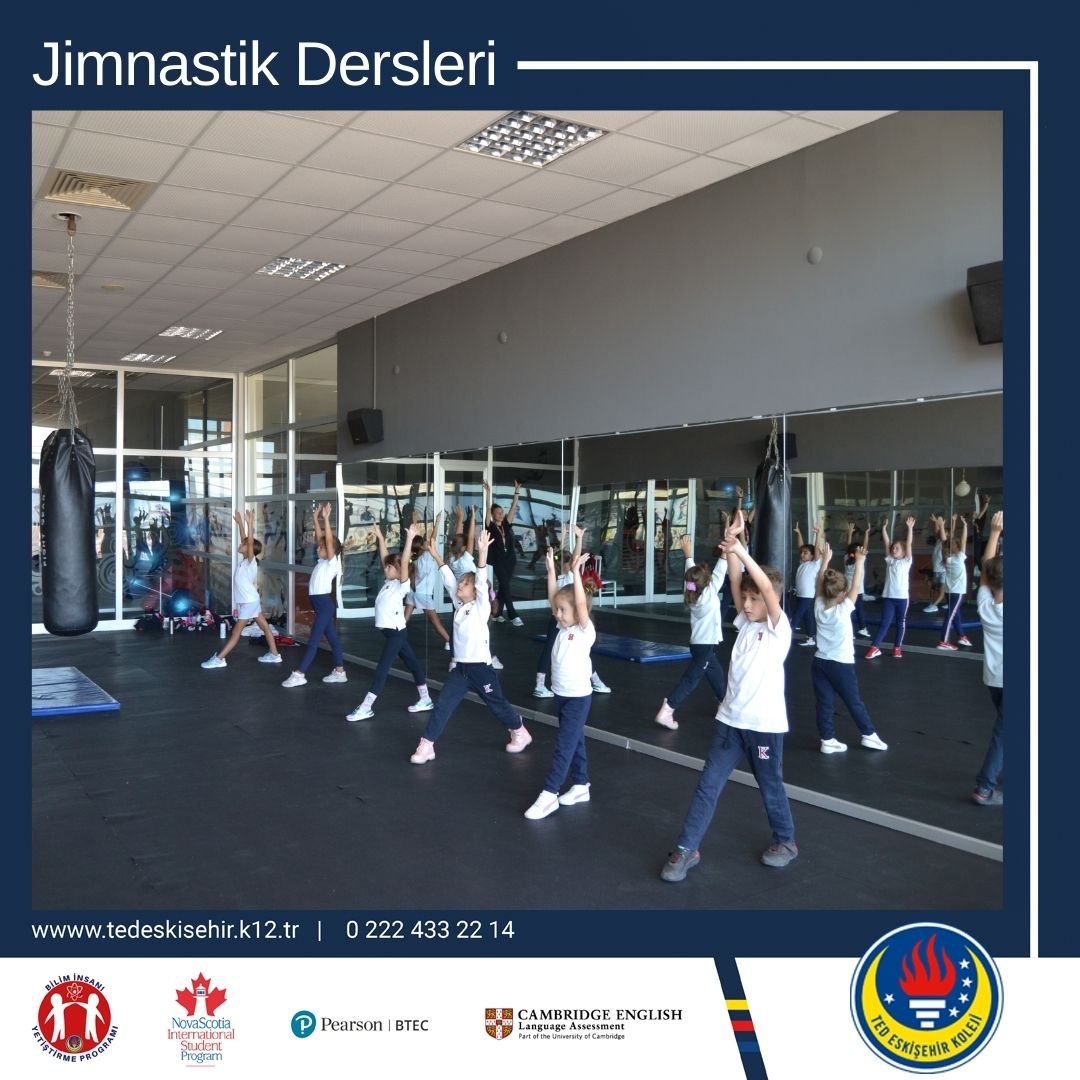
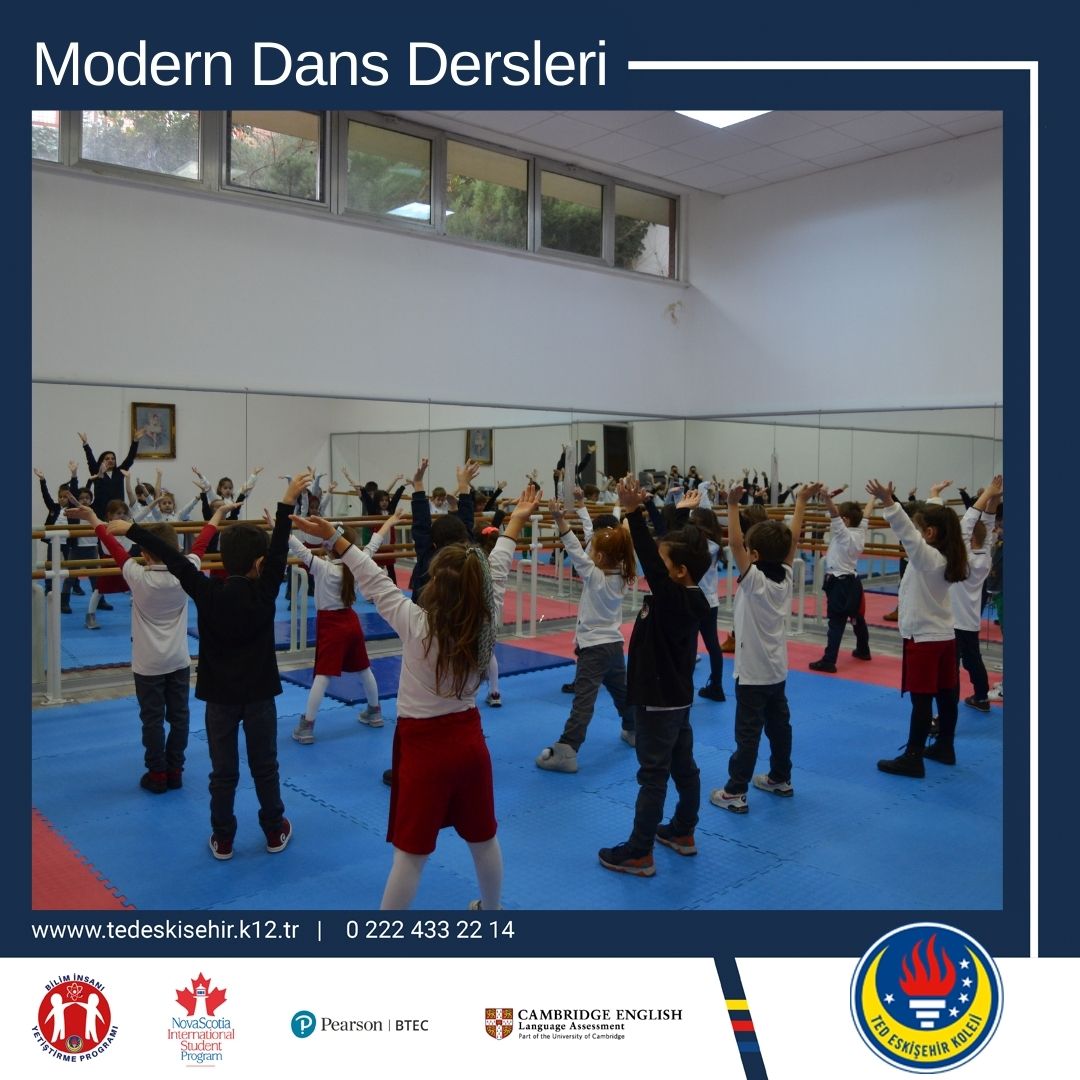
While the program is structured around the development of speaking, listening, reading, and writing skills, we place a particular emphasis on speaking and listening to ensure effective communication. Our program also incorporates the teaching of grammar to facilitate the accurate use of the language. Consequently, we prioritize the language’s primary function—enabling written and oral communication—treating it more as a tool for interaction than as a mere collection of rules. Rather than simply acquiring theoretical knowledge about the language, students develop their communication skills by actively using it. Instead of memorizing linguistic patterns and grammatical rules, our students are encouraged to understand and internalize what they learn, and subsequently, to apply that knowledge in practice.We offer modern dance classes at our school for students aged 3 to 17—a discipline that boosts mental power, fosters physical awareness, and develops a sense of rhythm. As one of the most unique and creatively open forms of dance, it is accessible to anyone, regardless of age. Our program focuses on learning and applying modern dance techniques, culminating in an enjoyable end-of-year showcase featuring the choreographies developed throughout the year.
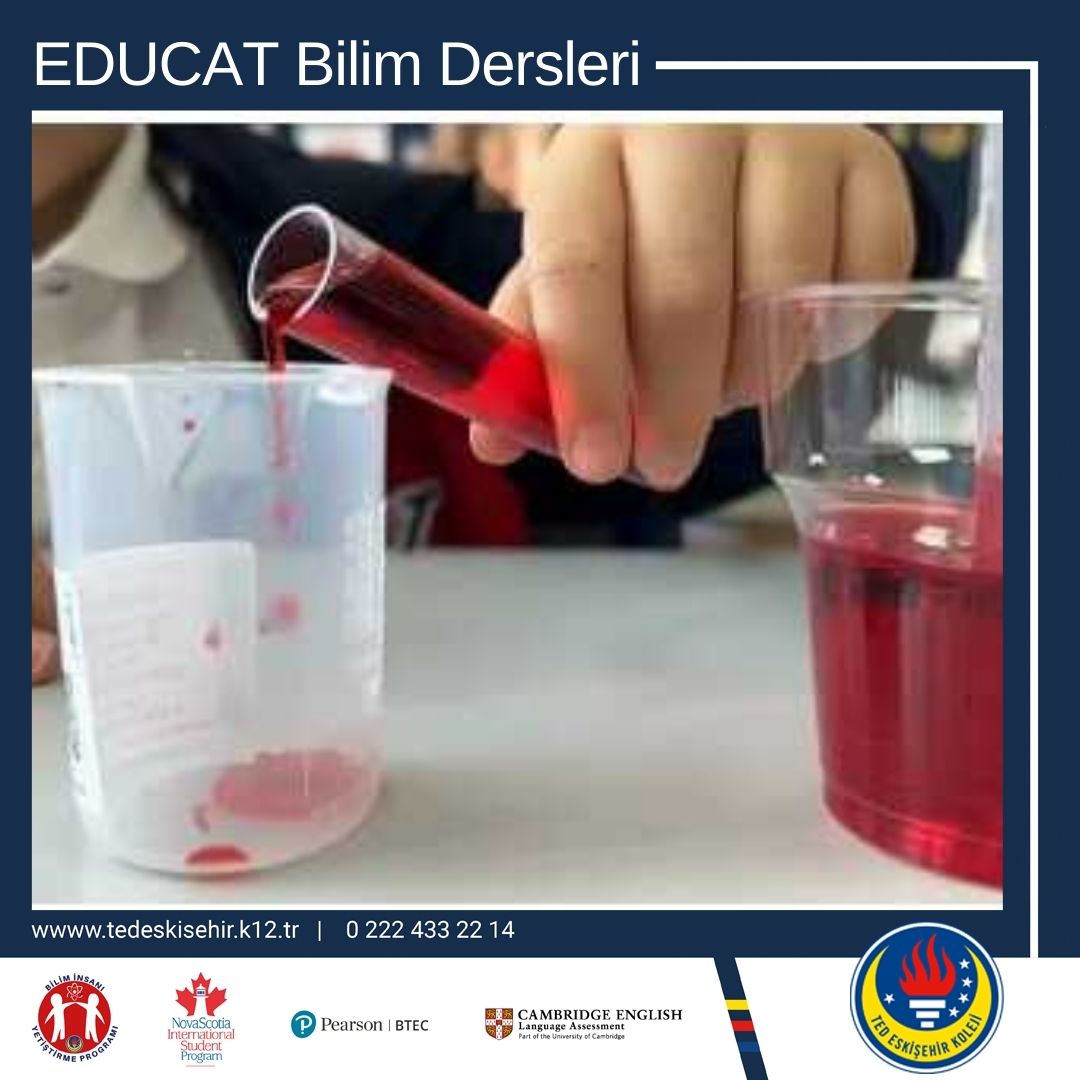
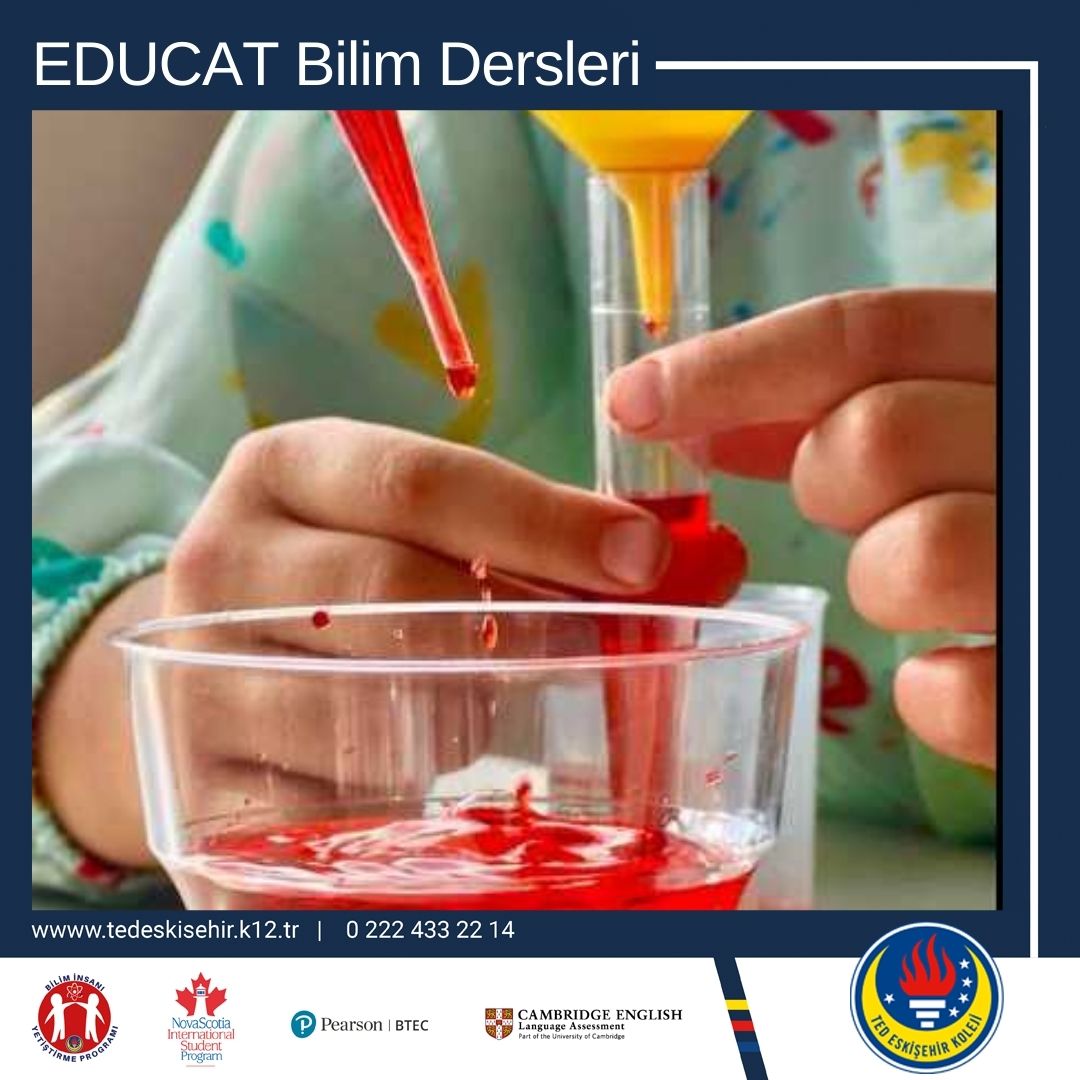
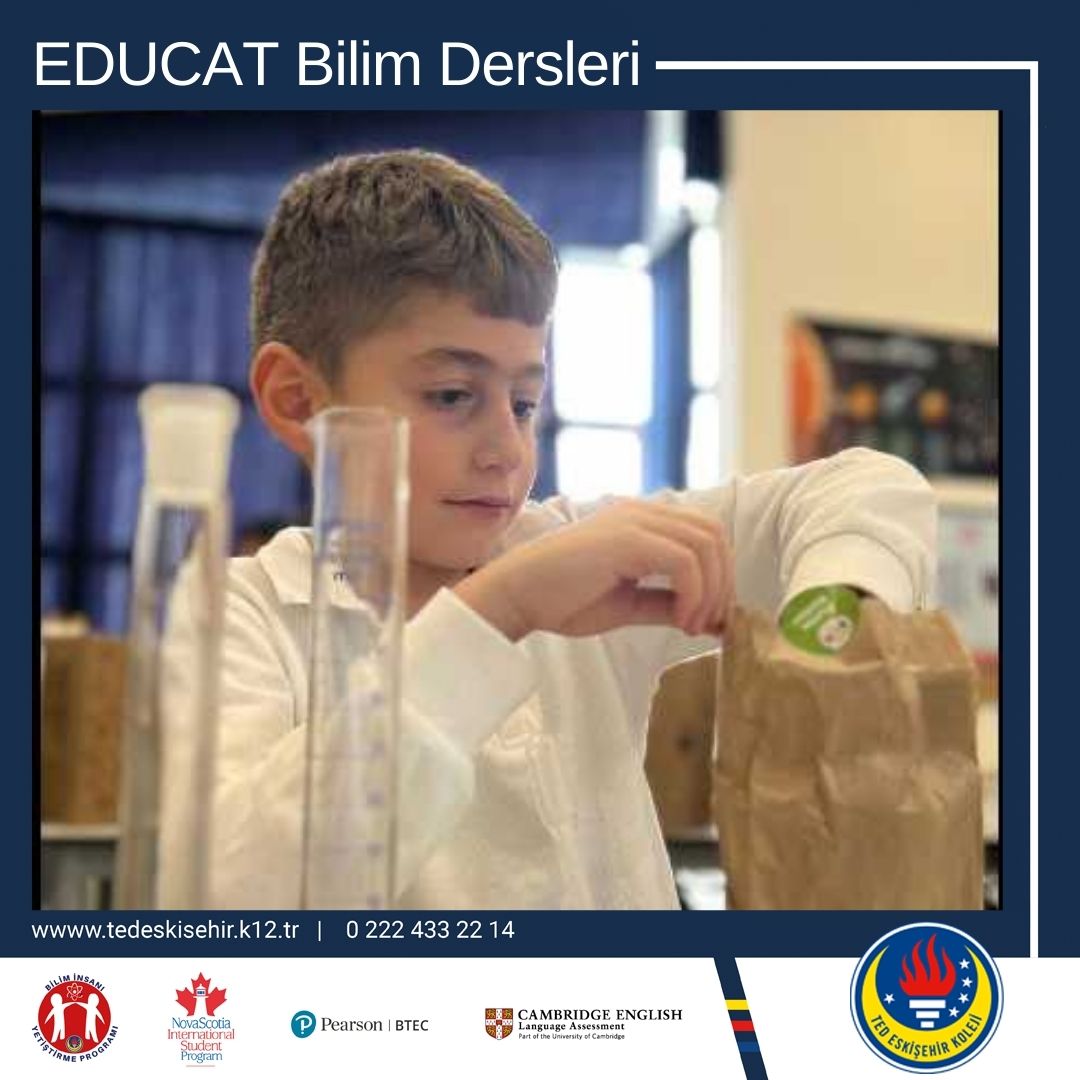
Hands-on science education is the most effective method for developing scientific literacy in preschool, primary, and middle school-aged children.
- Through "Fun Science" (Eğlenceli Bilim), children:
- Find inspiration in science,
- Explore science,
- Integrate science into their daily lives.