
PROJECT OBJECTIVES:
- To instill an understanding of environmental cleanliness from an early age, with the support of the school.
- To raise the level of knowledge and awareness among our students through practical training on cleanliness.
- To provide students with the opportunity to fulfill the roles expected of them within the school environment.
- To foster an internalization of environmental awareness and the importance of cleanliness.
- To keep our classrooms and our school clean.
- To enhance cooperation between the school and its students.
- To prevent waste.
- To promote an understanding of the importance of recycling.
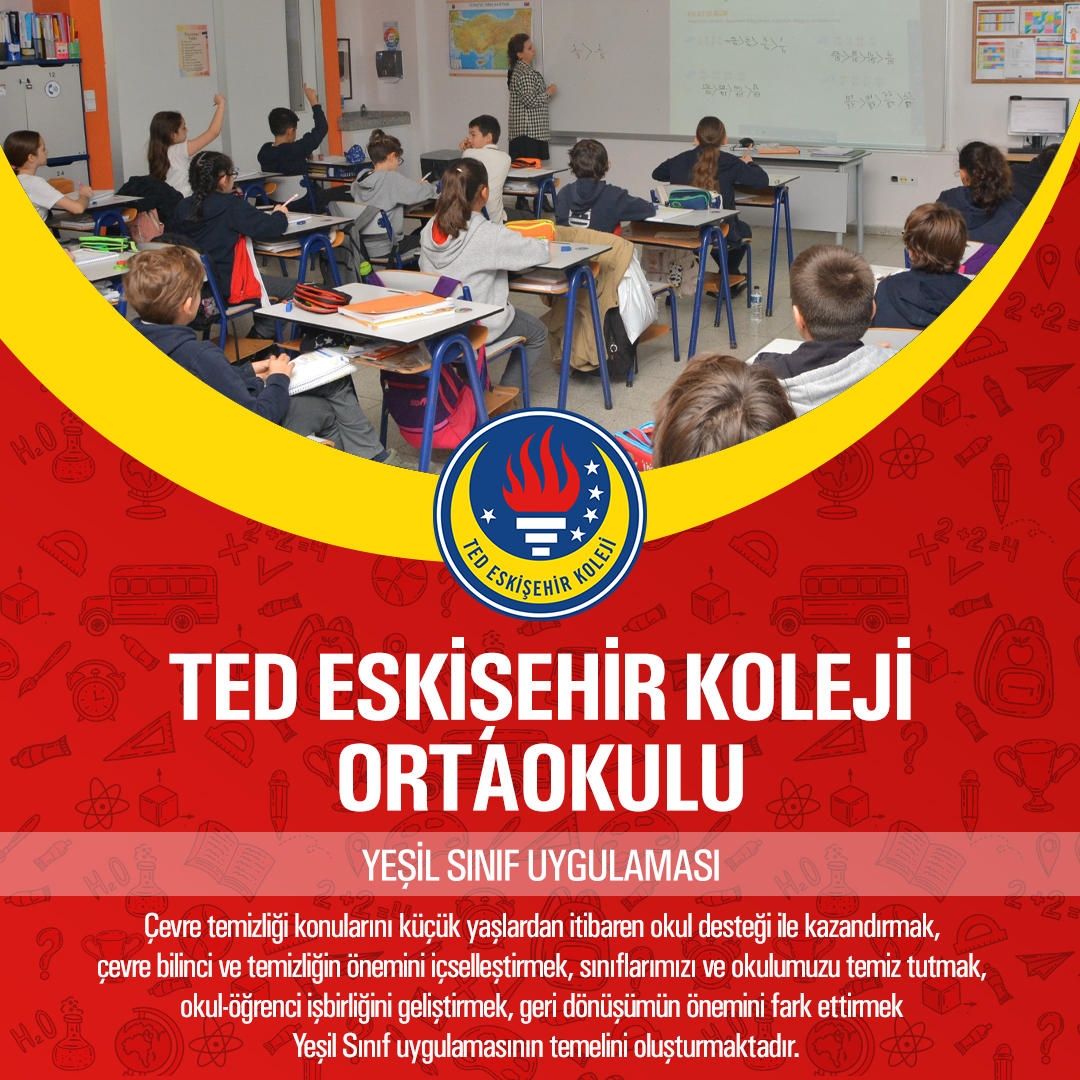
This initiative is carried out with the participation of all primary school students. Each classroom is provided with a "green envelope" for the collection of "green stars." Every day, a staff member assigned to the floor will award a green star to the classroom they deem the cleanest and most organized. Additionally, designated faculty groups and the "Green Classroom Committee" will award green stars on a weekly basis. Student-led committees will also conduct inspections and award a green star to one classroom each week. At the end of the month, the envelopes are collected from the classrooms, the stars are counted by the Green Classroom Committee, and the "Green Classroom of the Month" is selected. The winning class is announced during the Monday flag-raising ceremony and earns the privilege of wearing casual clothes to school on one day that week. The selected class is presented with a "Green Classroom" certificate and official recognition.
PROJECT OBJECTIVES:
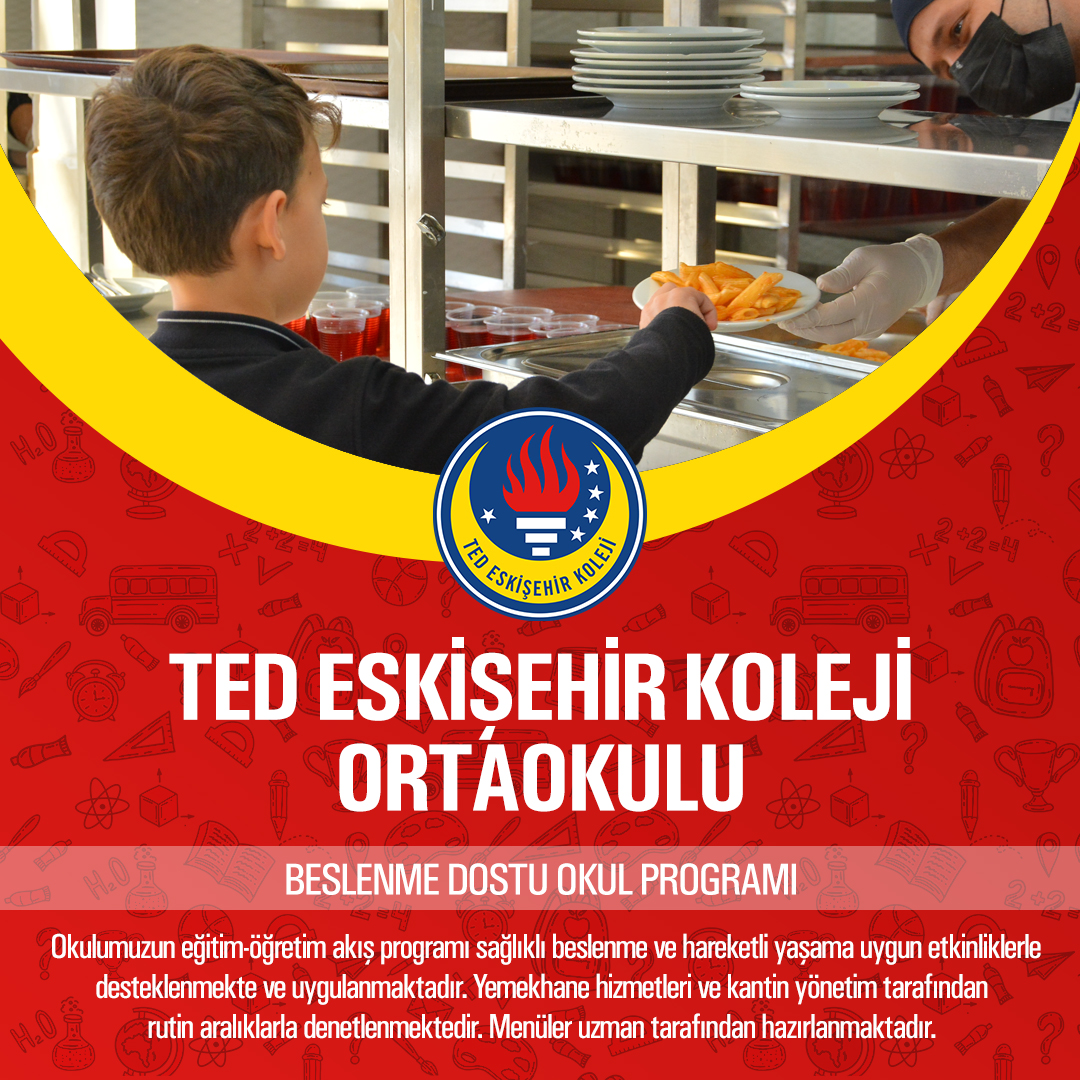
- To encourage students to adopt healthy eating habits and an active lifestyle through the "Nutrition-Friendly School" project,
- To raise awareness within our school regarding healthy nutrition and the prevention of obesity,
- To increase awareness among parents and students about the importance of an active lifestyle,
- To support best practices related to healthy nutrition and an active lifestyle,
- To carry out initiatives aimed at improving overall school health,
- To ensure the utmost attention is paid to cleanliness and hygiene standards,
- To inform all staff members about school health and to conduct all necessary inspections in this regard.
Our school is an institution that prioritizes healthy and balanced nutrition, implements necessary measures to support it, remains committed to an active lifestyle, and has made the fulfillment of these requirements a core principle. A daily cleaning schedule is established and implemented throughout the school. Our educational curriculum is supplemented with activities that promote healthy nutrition and an active lifestyle.
Cafeteria services and the school canteen are subject to routine inspections by the administration. Menus are prepared by a qualified expert.
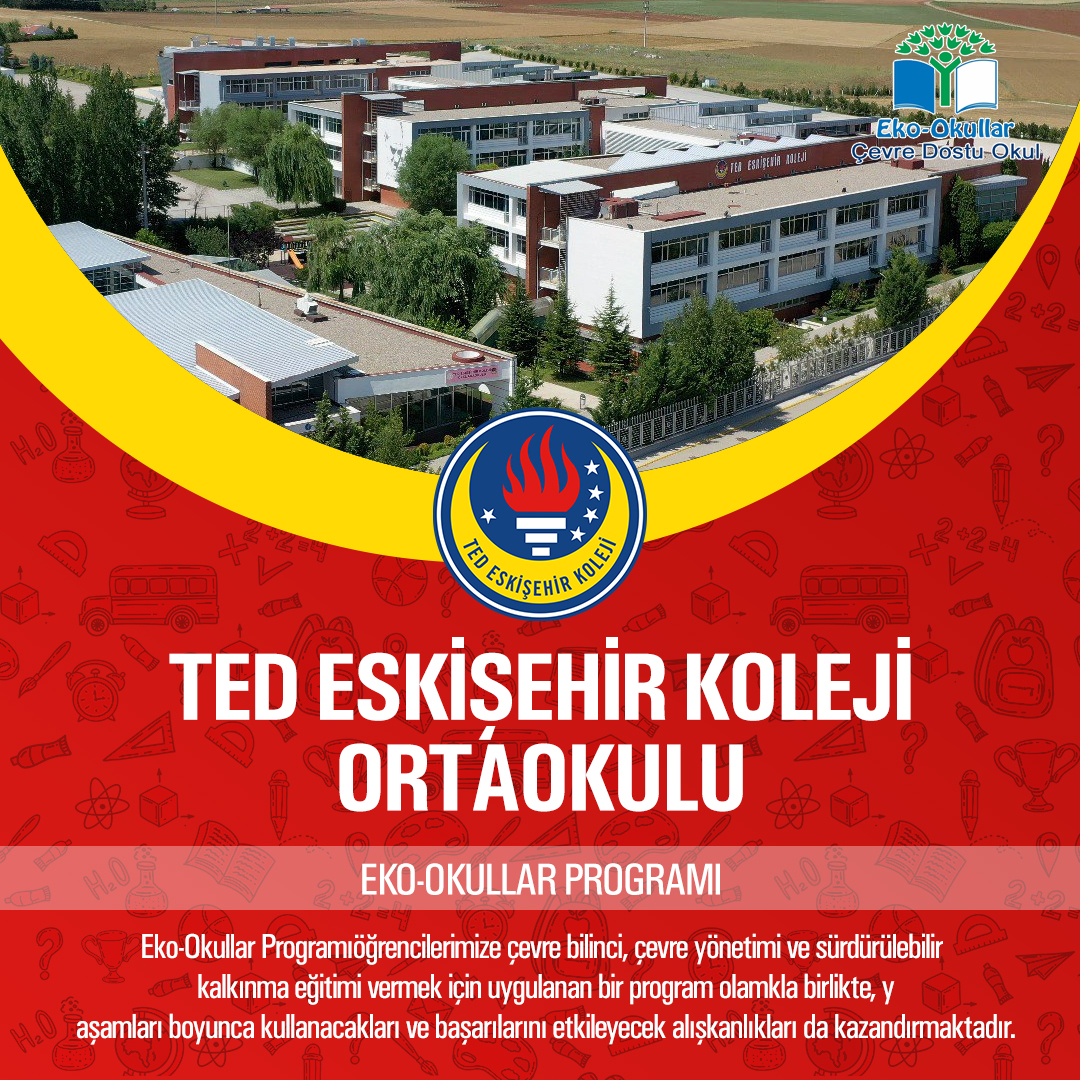
The Eco-Schools Program is an initiative implemented in preschools, primary schools, and middle schools to provide education on environmental awareness, environmental management, and sustainable development. Beyond environmental topics, the program helps students develop habits that they will carry throughout their lives—habits that can influence their future success. Through this program, students:
- Become members of a group and develop a new sense of identity.
- Gain experience in teamwork and contribute to a participatory environment.
- Develop skills in identifying problems, generating solutions, and engaging in discussion.
- Enhance their ability to take initiative and make decisions.
- Improve their skills in planning and report writing.
- Shift their consumption habits and learn to avoid wastefulness.
- Develop an awareness of the need to conserve natural resources; students themselves take an active role in saving water and electricity.
- Following monthly plans and ensuring students are well-informed before any scheduled activities.
- Ensuring students participate actively in activities, valuing their contributions, and creating suitable workspaces for them.
- Keeping parents informed and encouraging their participation.
- Taking part in organized field trips, ensuring they are well-prepared beforehand, and briefing students accordingly.
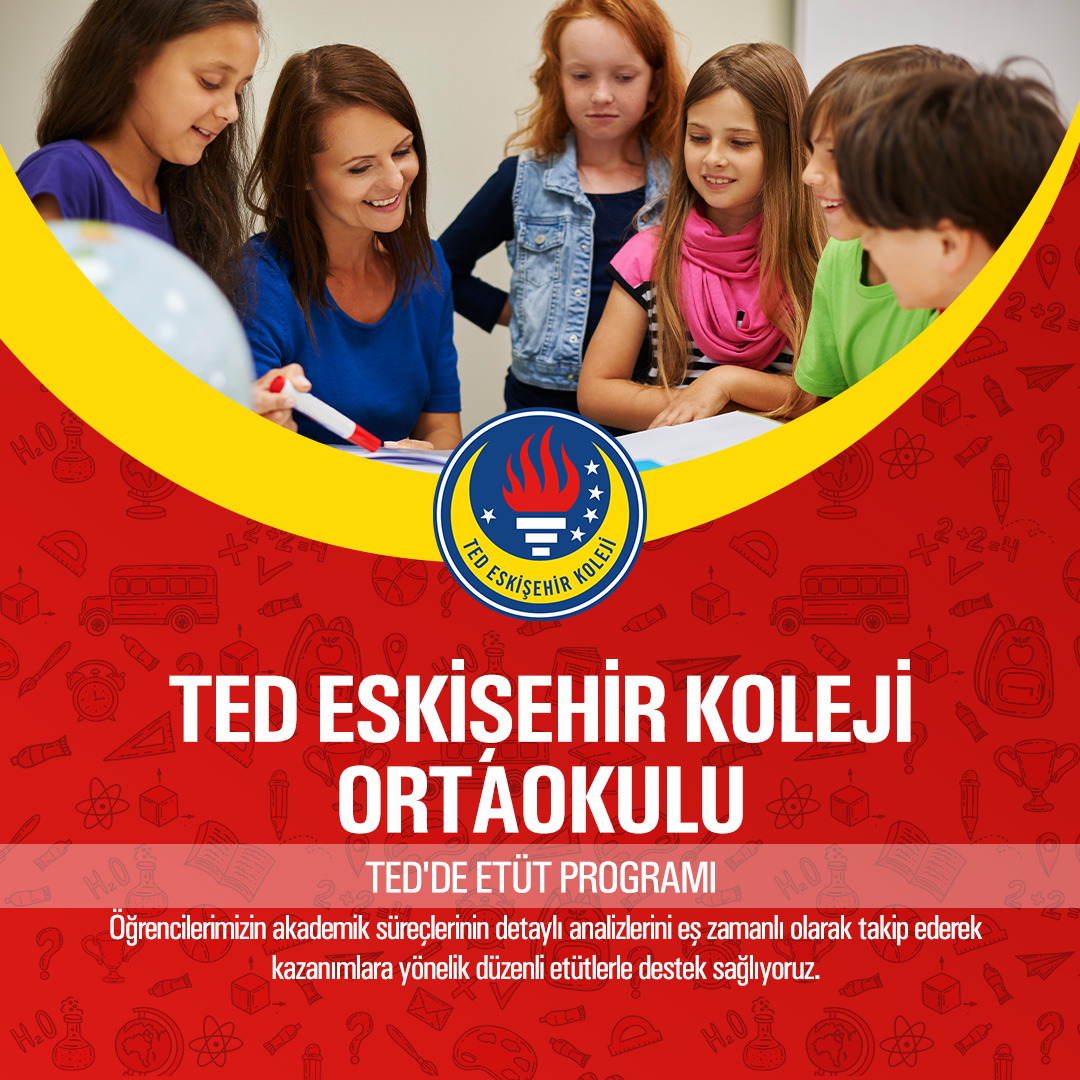
We provide comprehensive support for our students' academic journeys by closely monitoring their progress and offering regular study sessions tailored to specific learning objectives. Held on weekdays from 16:40 to 17:20 according to a weekly schedule, these sessions help students reinforce subject matter, address any gaps in their learning, improve time management, and build speed—serving as an essential, complementary component of their overall educational experience.
Within the scope of this program, students' academic performance, examination results, mastery of learning objectives, and study habits are analyzed on a regular basis to establish individual development goals for each student.
-
Key components of the Academic Compass:
- Individual Academic Tracking: Each student’s academic progress is monitored consistently, and their specific learning needs are identified.
- Data-Driven Analysis: Based on examination results and the analysis of learning objectives, students' strengths and areas for improvement are determined.
- Goal-Oriented Support: Academic support and development initiatives are planned to address the unique needs of each student.
- Timely Intervention: Learning gaps are identified at an early stage, triggering the necessary support processes.
- Strong Communication with Parents: Parents are kept regularly informed about their children's academic progress and the goals that have been set.
- Continuous Development: The progress students make toward their goals is tracked, and their development plans are updated as needed.
Through the Academic Compass, we do more than just evaluate outcomes; we closely follow each student’s developmental journey and help shape their future.