TED Eskişehir Özel Ortaokulu
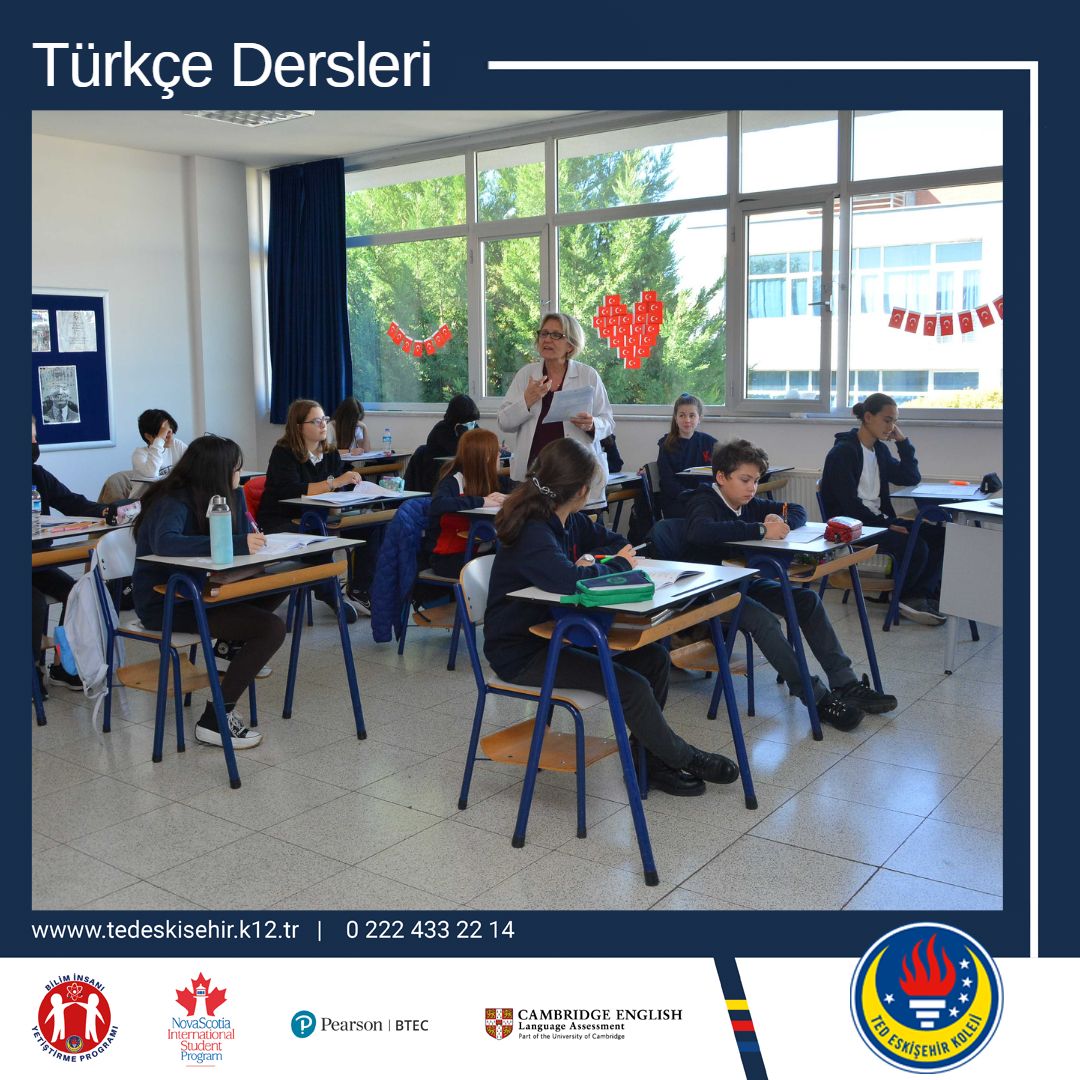
At TED Eskişehir Private Middle School, Turkish language classes are built upon core areas—reading, comprehension, listening, and writing—with the aim of developing students' abilities to comprehend, interpret, communicate, and use the Turkish language effectively and eloquently.
Through our "Reading Culture Development Program," students examine distinguished works from both Turkish and world literature in depth. This process equips them with the necessary background to approach literary works with a critical perspective, fostering the ability to generate creative and original ideas, while cultivating habits such as reading, conducting research, engaging in discussions, and writing.
To transform reading into an enjoyable habit and assist students in selecting books, we curate reading lists tailored to their specific age groups and proficiency levels. The books read are integrated into the curriculum by connecting them to the central themes of the lessons. Furthermore, local and national newspapers are reviewed to keep track of current events—covering topics in science, art, sports, and global environmental issues—which are then explored and debated during organized debate tournaments.
"Creative Writing" holds a special place in our Turkish language curriculum. Through workshops featuring prominent authors of children's literature, students engage in activities designed to enhance their literary skills, such as structuring texts, developing plotlines, and creating characters.
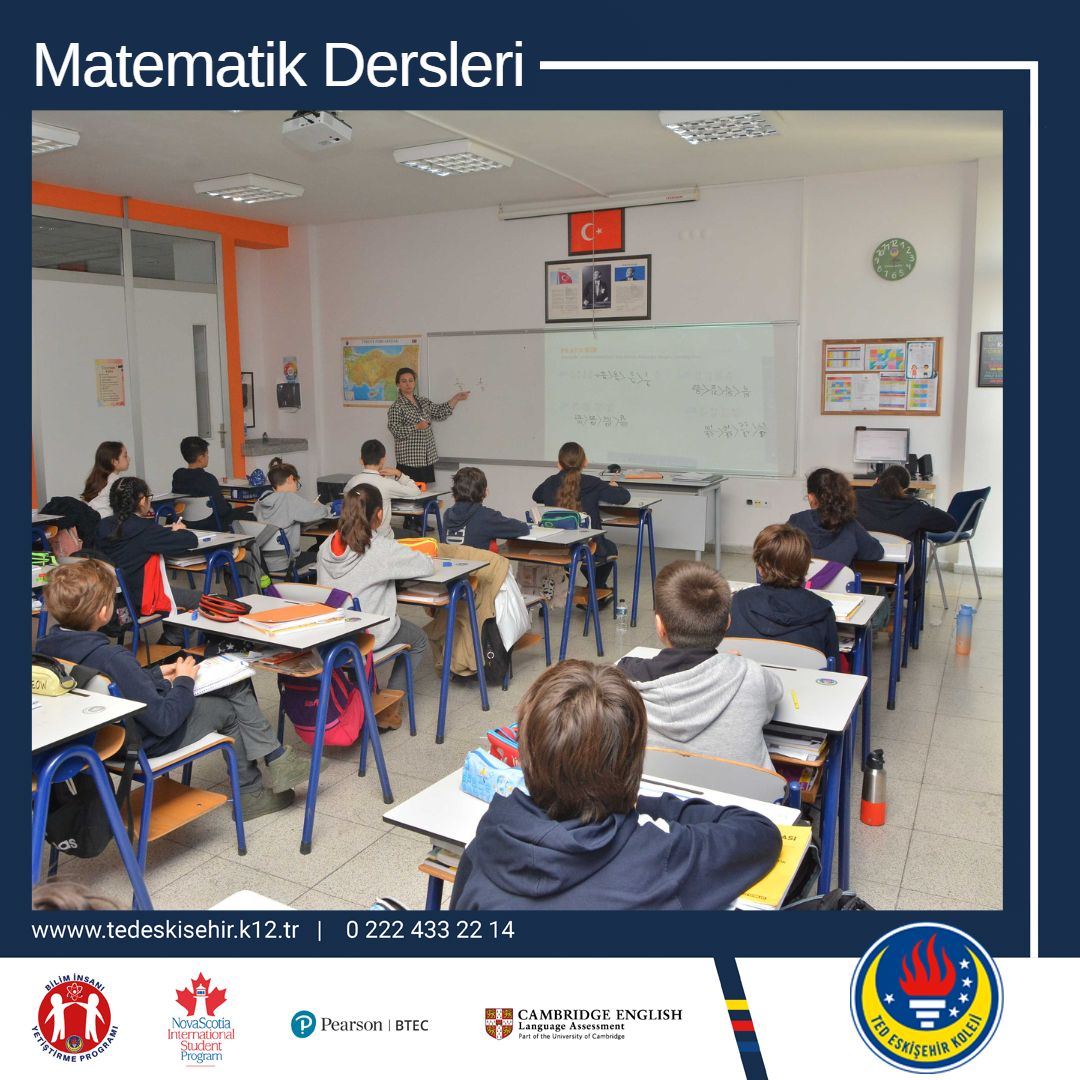
As stated in the mathematics curriculum, mathematics is not merely a technique for calculation, drawing shapes, or taking measurements; rather, it is a system of thought and reasoning that encompasses all these activities. By their very nature, mathematical concepts are abstract.
In mathematics classes at TED Eskişehir Middle School, the focus is not on rote memorization of mathematical rules, but on developing students' abilities to think with abstract concepts, interpret data, solve problems, and engage in analytical thinking. The connection between mathematical literacy and the development of life skills is emphasized. The goal is for students to achieve academic excellence by utilizing mathematical thinking and reasoning processes. Throughout the learning process, teachers guide and support students—who possess diverse abilities and individual differences—as they examine topics and examples, conduct research, devise their own methods for finding solutions, share ideas with their peers, resolve problems, and cultivate a positive attitude toward mathematics.
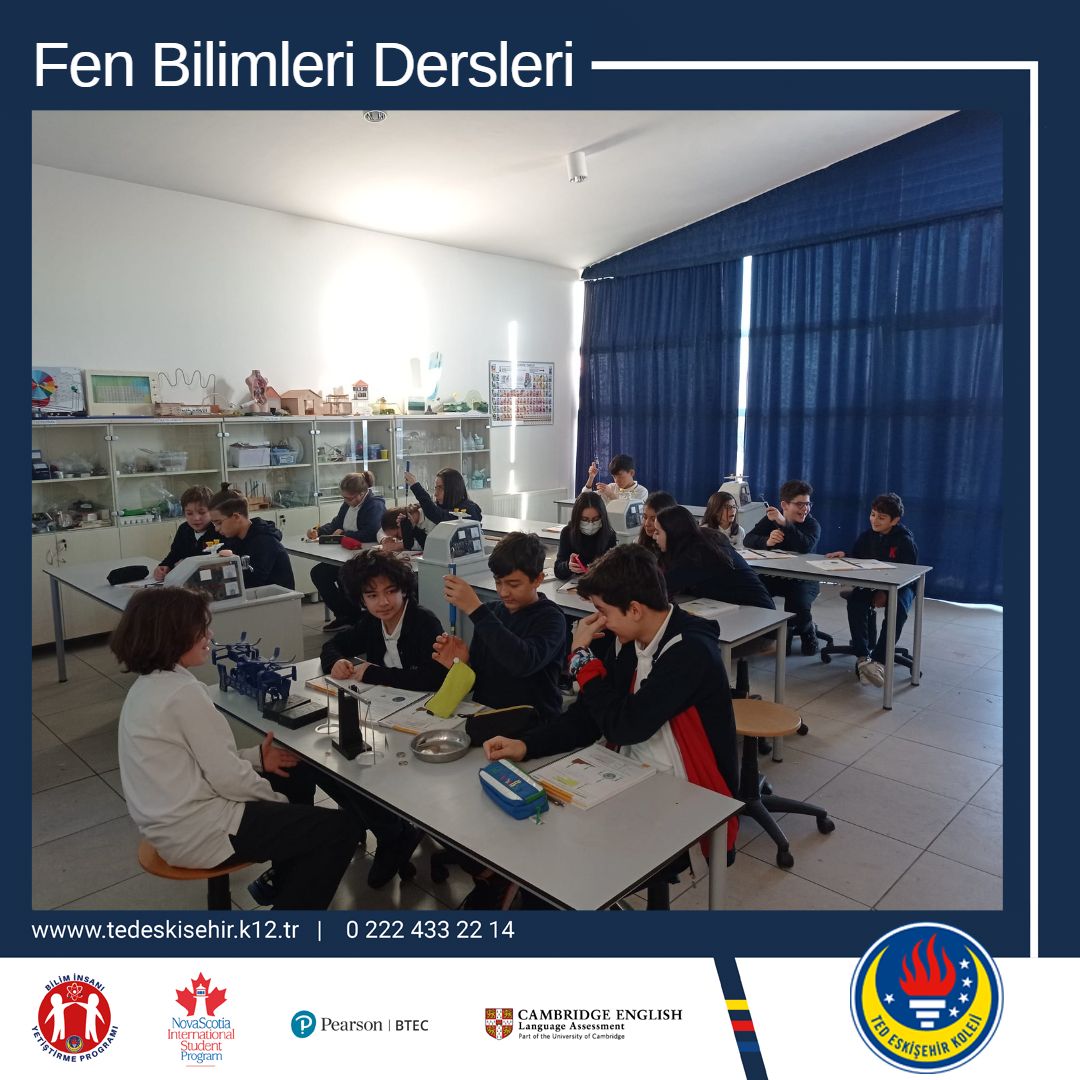
The rapid changes in science and technology, along with the evolving needs of individuals and society, directly influence the roles expected of future generations. This transformation calls for individuals who can generate knowledge, apply it functionally in real-life situations, solve problems, think critically, question, demonstrate an entrepreneurial spirit, show determination, possess strong communication skills, practice empathy, and contribute to society.
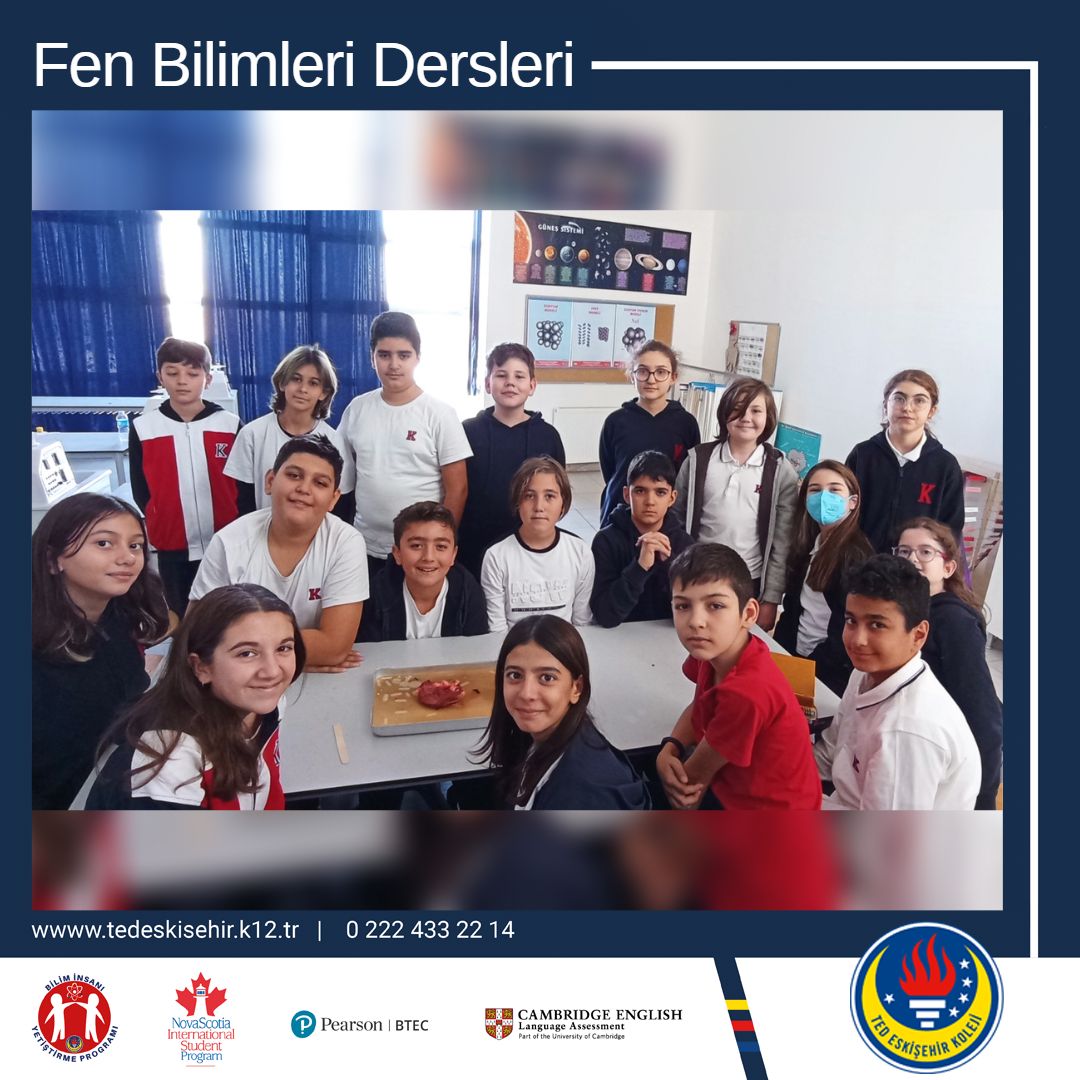
In the Science curriculum, the primary approach is based on learning strategies that emphasize student responsibility for their own learning, active participation in the learning process, inquiry-based exploration, and the transfer of knowledge. Lessons focus on scientific methods and experimental instruction, fostering the development of critical and systematic thinking skills through the acquisition of knowledge. In this learning-teaching process, the teacher acts as a facilitator and guide, while the student takes on the role of an active learner—investigating the sources of knowledge, questioning, explaining, debating, and transforming information into tangible outcomes. Creating a democratic classroom atmosphere where students feel comfortable sharing their own perspectives helps them express their thoughts and refine their reasoning and communication skills. Students are encouraged to develop an interest in scientific subjects and to find enjoyment in science itself. Overall, the Science department aims to equip students with the knowledge, self-confidence, and skills necessary to understand their environment and the world around them, ensuring they grow into informed and engaged individuals within an increasingly technology-driven world.
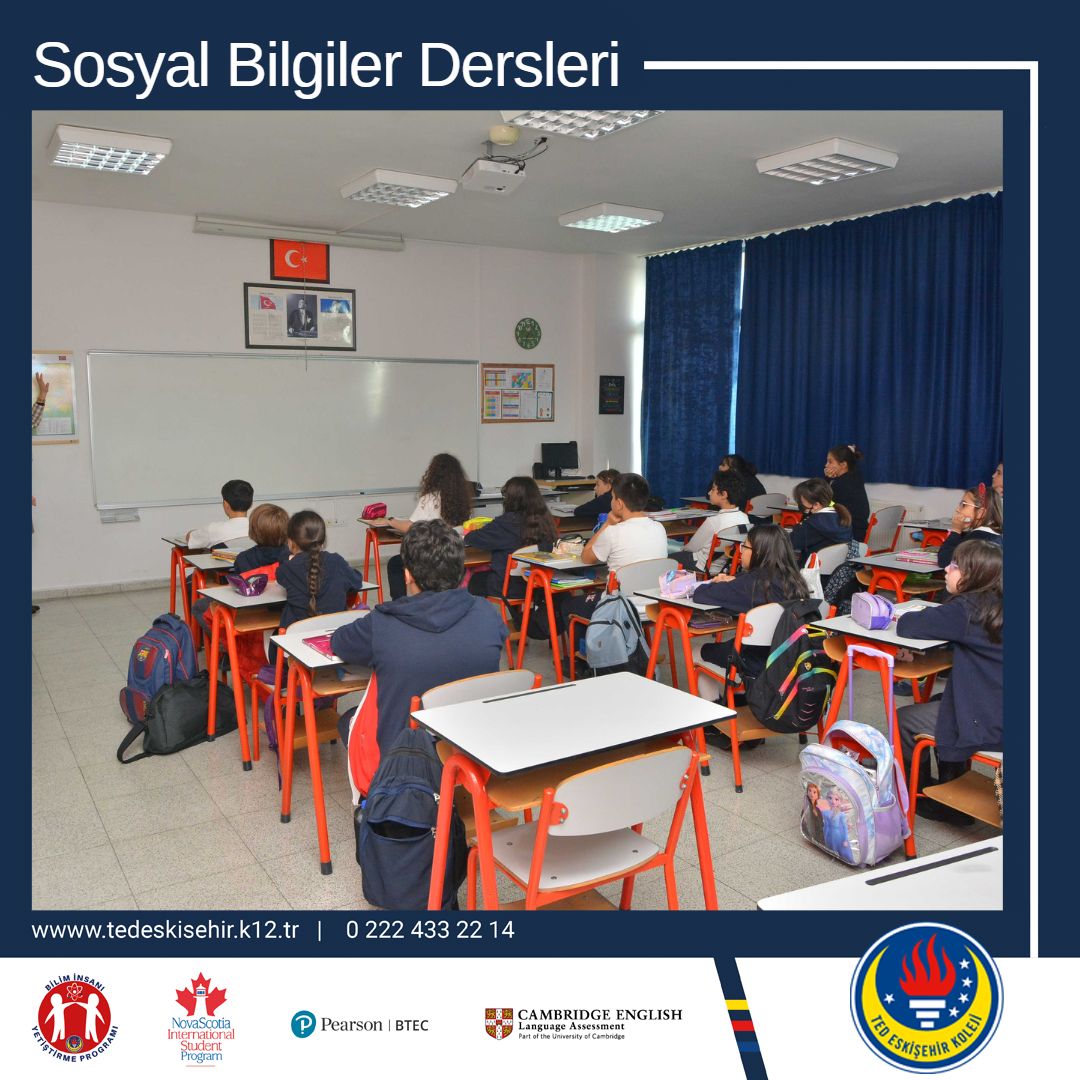
At TED Eskişehir Private Middle School, the Social Studies Department teaches Social Studies to students in grades 5, 6, and 7, and the course "History of the Republic of Turkey and Atatürkism" to students in grade 8.
The primary objective of the Social Studies curriculum is to cultivate individuals who, as citizens of the Republic of Turkey, are aware of and exercise their rights, fulfill their responsibilities, and remain committed to the principles and reforms of Atatürk. The goal is to raise individuals who are secular, democratic, respectful of human rights, sensitive to their immediate environment and the wider world, capable of developing solutions to problems, and skilled in collaboration.
Furthermore, the curriculum aims to equip students with critical thinking skills—enabling them to identify ways to access accurate and reliable information—and to ensure they can use information and communication technologies consciously by understanding the development of science and technology and their impact on social life.
In achieving the learning outcomes of the Social Studies curriculum, core pedagogical principles—such as topical relevance, an interdisciplinary approach, inquiry-based learning, the connection between the past, present, and future, the concepts of time, continuity, and change, and flexibility—are prioritized. These principles are supported by technology, making lessons both more effective and engaging.
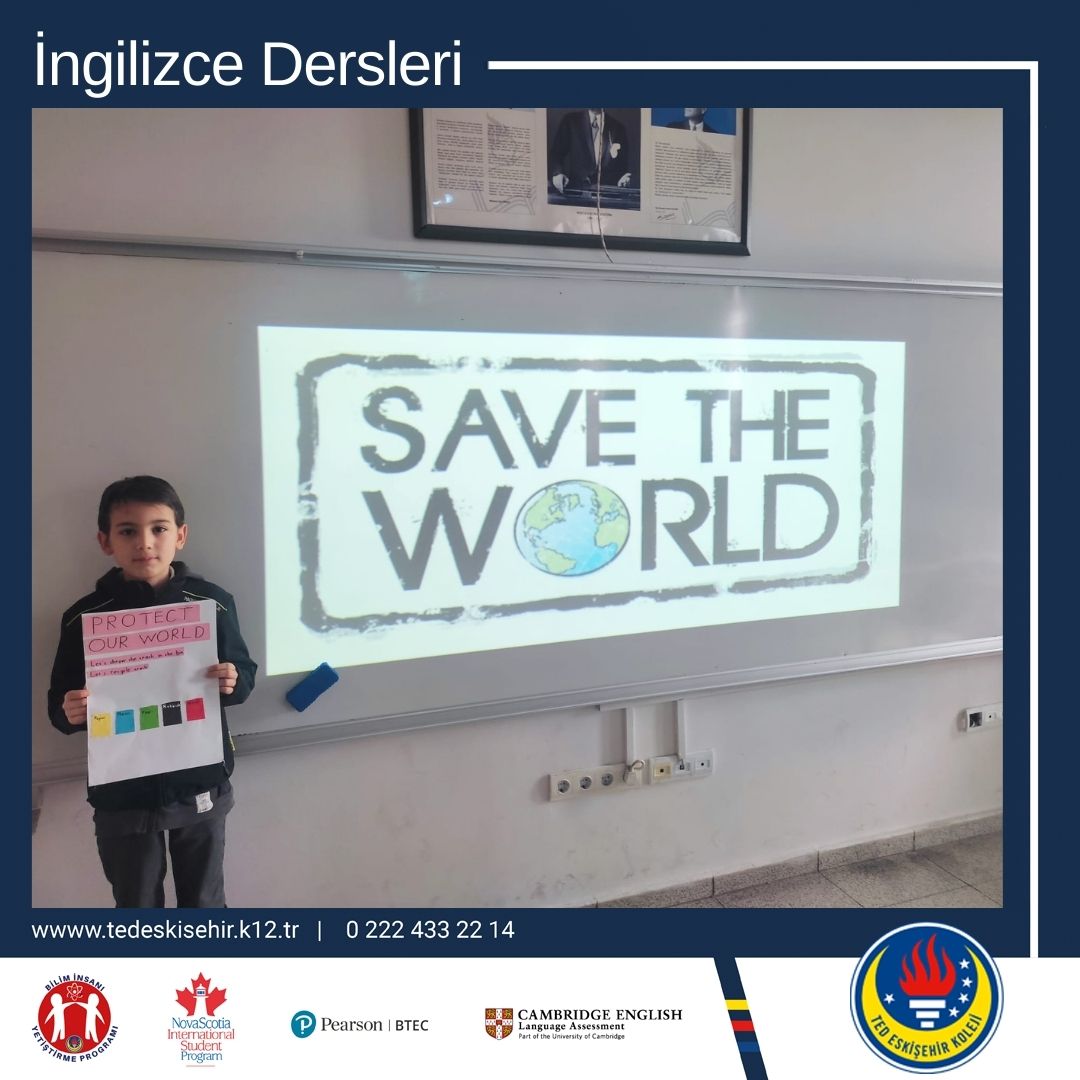
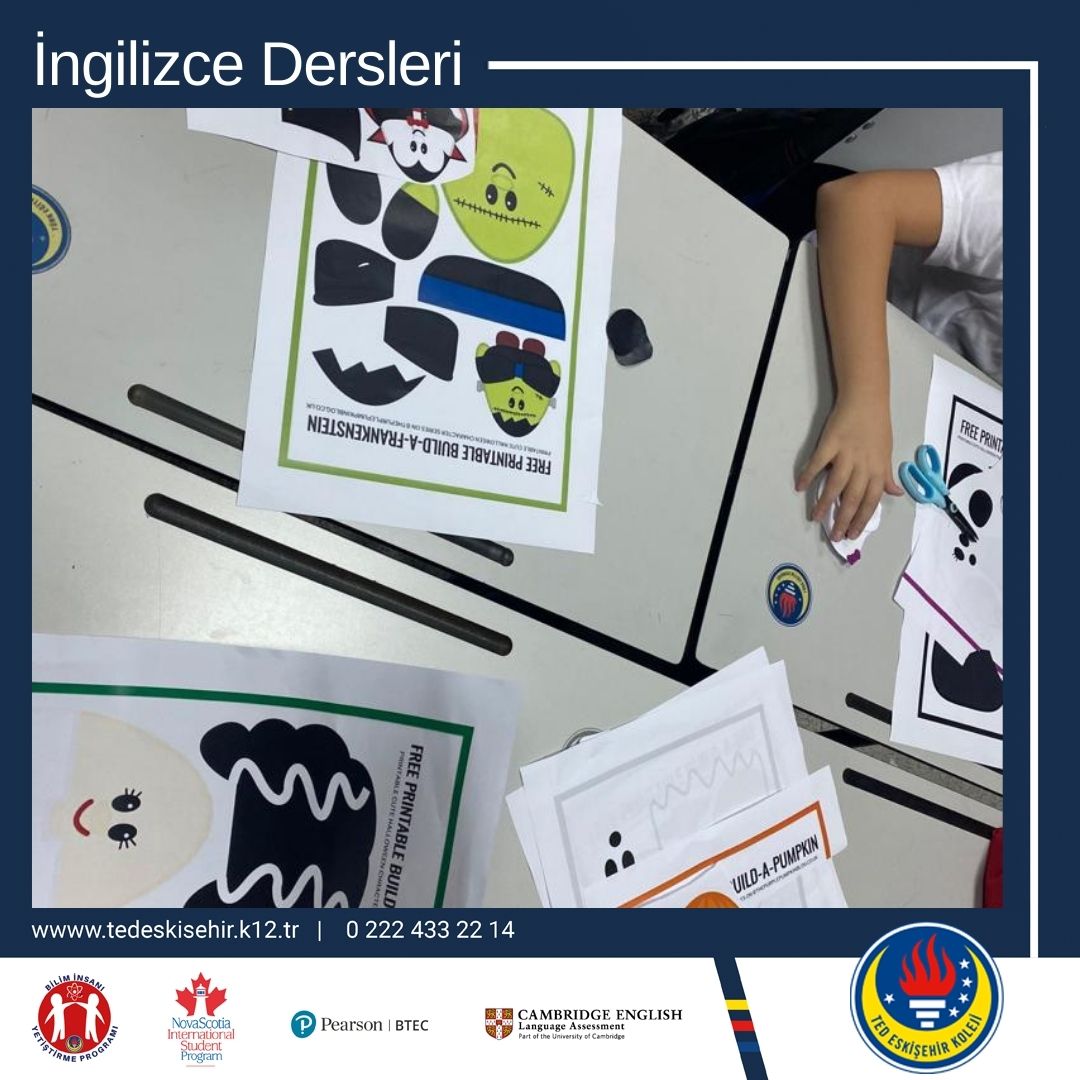
Students at TED Eskişehir Private Middle School continue to enhance their English comprehension and language proficiency through the development of their writing, reading, listening, and speaking skills. To this end, grammar lessons are structured around specific topics and targeted exercises. As preparation for the original literary texts they will encounter in high school, students hone their abilities to read, analyze, and comprehend such texts through both written and oral presentations. Each student is also provided with access to online resources tailored to their individual proficiency level. Furthermore, students participate in the Cambridge Secondary Course program—beginning in the 5th grade—and take internationally recognized examinations, including Cambridge Young Learners, Flyers, KET, and PET. Additionally, our 8th-grade students have the opportunity to assess their English proficiency at an international standard by taking the TOEFL JUNIOR exam.
Our objective is to empower our students to become more proficient readers, listeners, and speakers in a foreign language, while fostering the awareness that learning is a lifelong process. In our English curriculum, students are encouraged to consistently speak the language, apply presentation techniques, read storybooks independently, engage in class projects based on the books they have read, and compose paragraphs and essays on assigned topics.
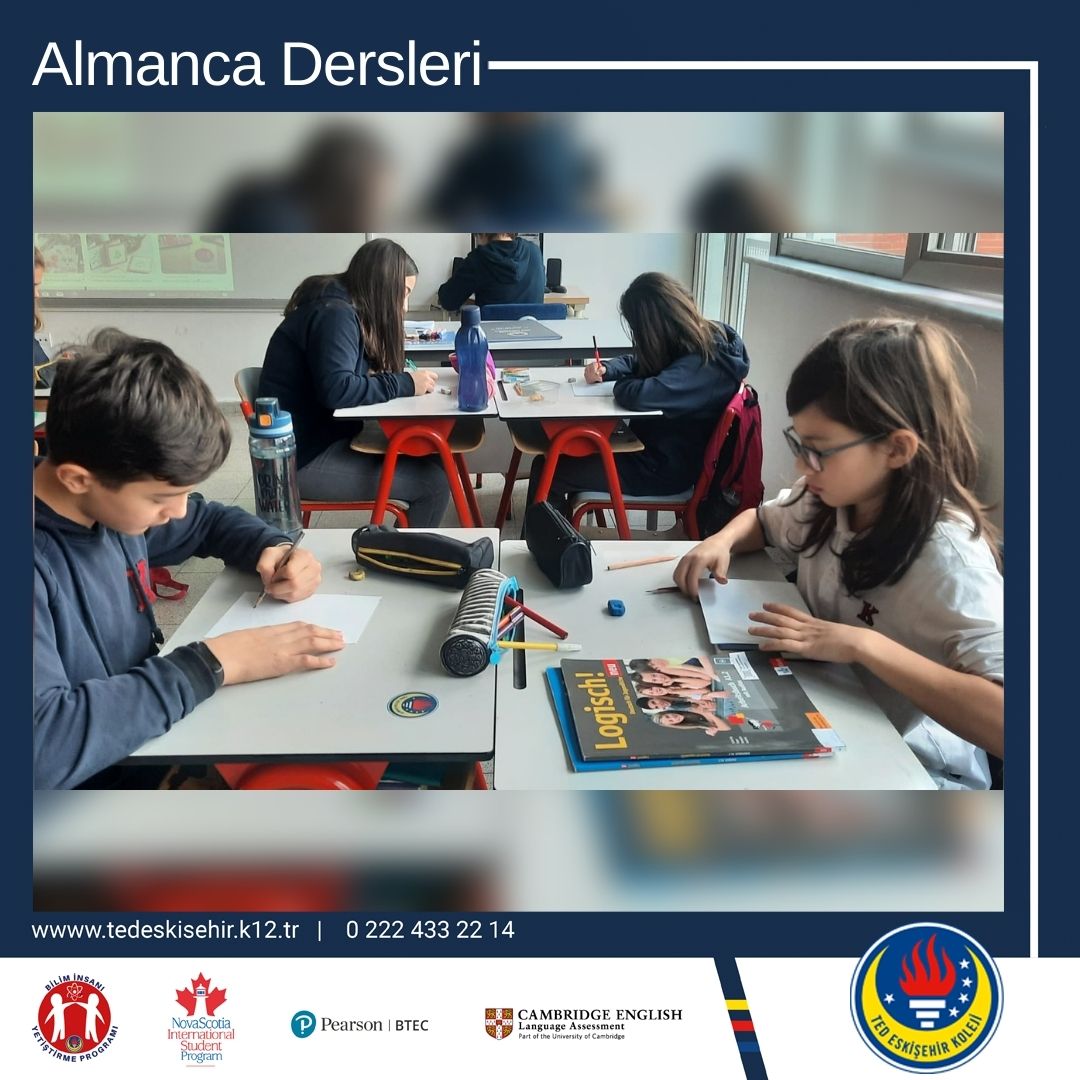
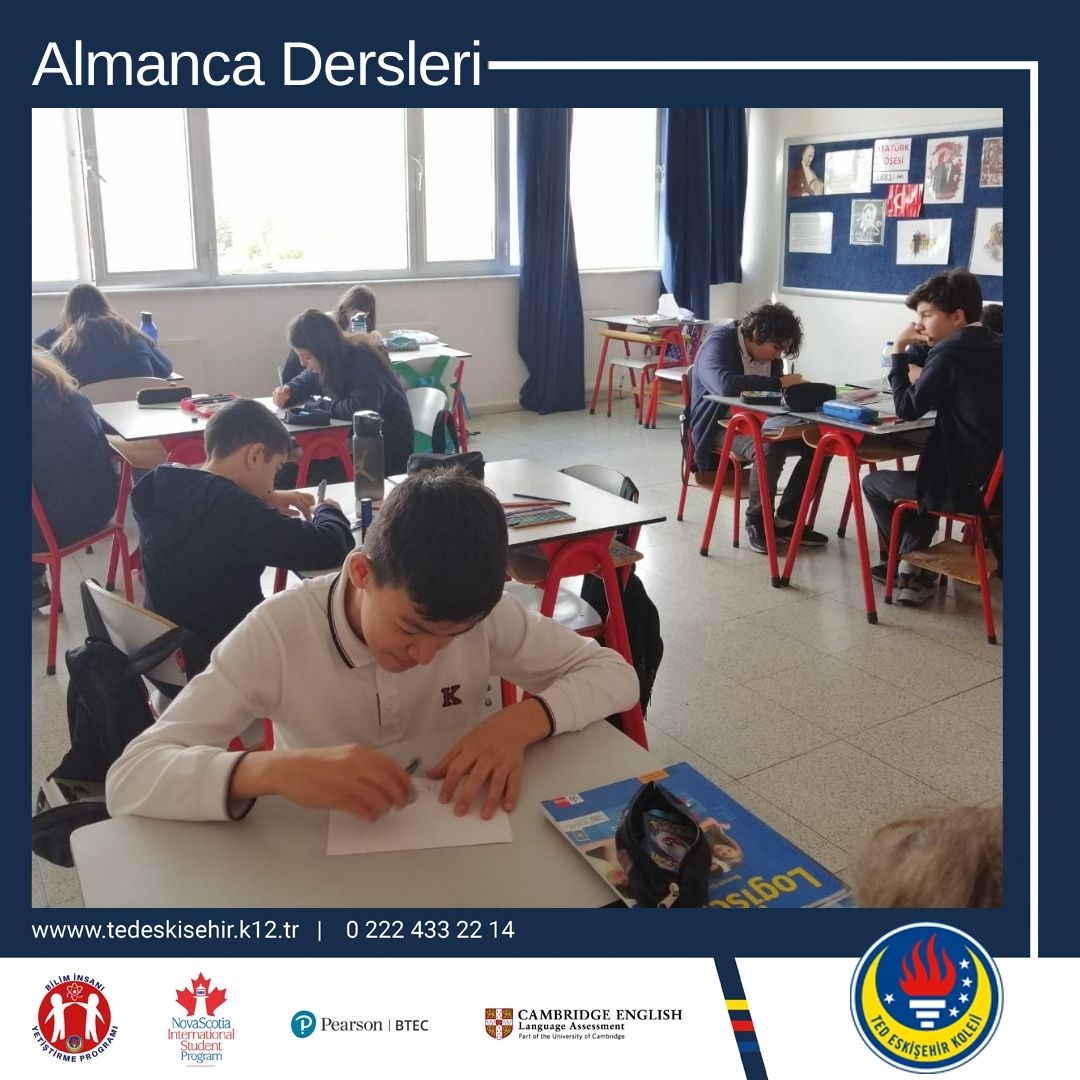
While knowing one foreign language was once a necessity, being proficient in two has now become highly significant in our lives. In this increasingly interconnected world, every language you learn strengthens your communication networks and gives you a distinct advantage in both your social and professional life. Starting to learn a foreign language at an early age is of great importance. For this reason, at TED Eskişehir College, our students begin learning a second foreign language—German—in the 4th grade. This language education continues through the foreign language preparatory program offered in the 5th grade at TED Eskişehir Private Middle School.
The second foreign language program is designed in accordance with the Common European Framework of Reference for Languages (CEFR). The objectives and competencies defined within this framework determine the appropriate level of study for students at each grade. To monitor our students' progress more accurately, we encourage them to take the internationally recognized FIT examinations.
Our language instruction is based on a communicative approach. While the program is structured around the development of speaking, listening, reading, and writing skills, we place a special emphasis on speaking and listening to ensure effective communication. The program also incorporates the teaching of grammar to facilitate the accurate use of the language. Consequently, we prioritize the language’s primary function—enabling written and oral communication—treating it more as a tool for interaction than merely a set of rules. Rather than focusing solely on theoretical knowledge, students develop their communication skills by actively using the language.
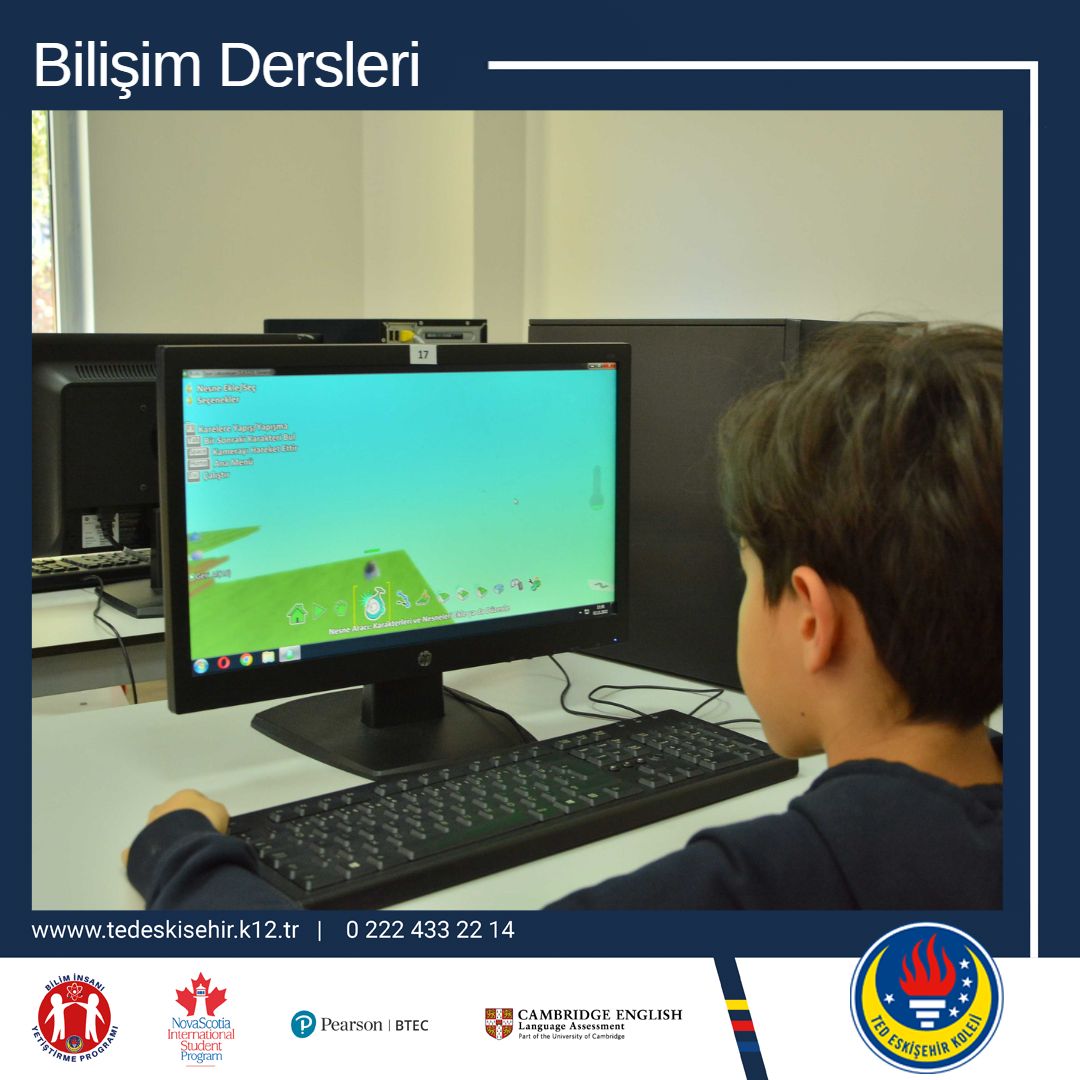
Instead of memorizing patterns and the rules of the language, our students are encouraged to understand and grasp what they have learned, and subsequently to apply what they have grasped.The Information Technologies and Software course is taught to 6th-grade students in middle school. The objective of our curriculum is to equip students with fundamental knowledge and skills, enabling them to navigate the rapidly evolving world of technology and apply these competencies to simplify tasks in their daily and professional lives. Fostering a mindset of creation rather than mere consumption, our middle school program teaches students to use technology consciously through areas such as programming with Scratch for Arduino, 3D design with Tinkercad, and mobile app development with App Inventor.
Furthermore, through our extracurricular clubs—including First Lego League, BTEC IT, and BTEC Social Media—students have additional opportunities to develop their expertise in robotics, coding, software development, and internet ethics.
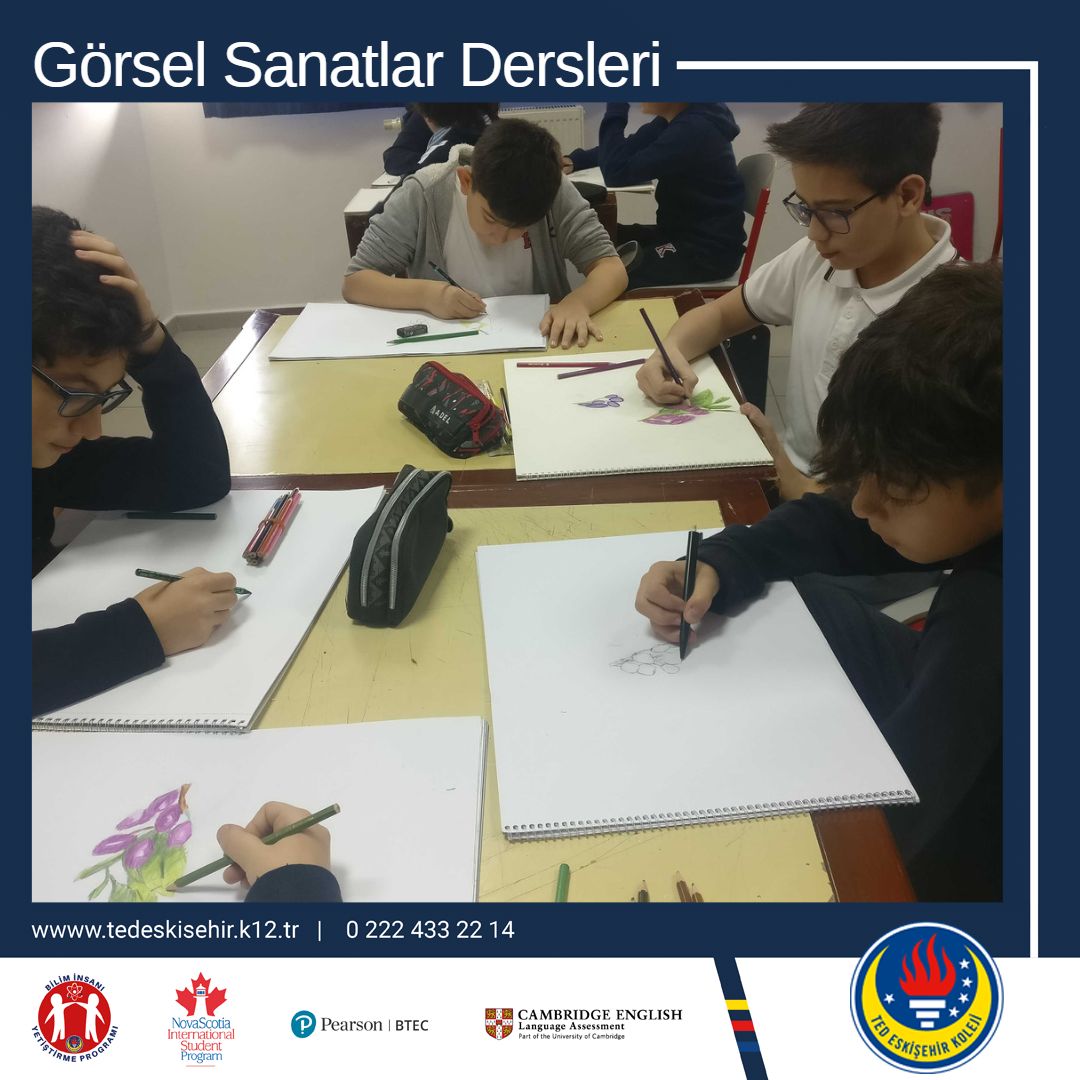
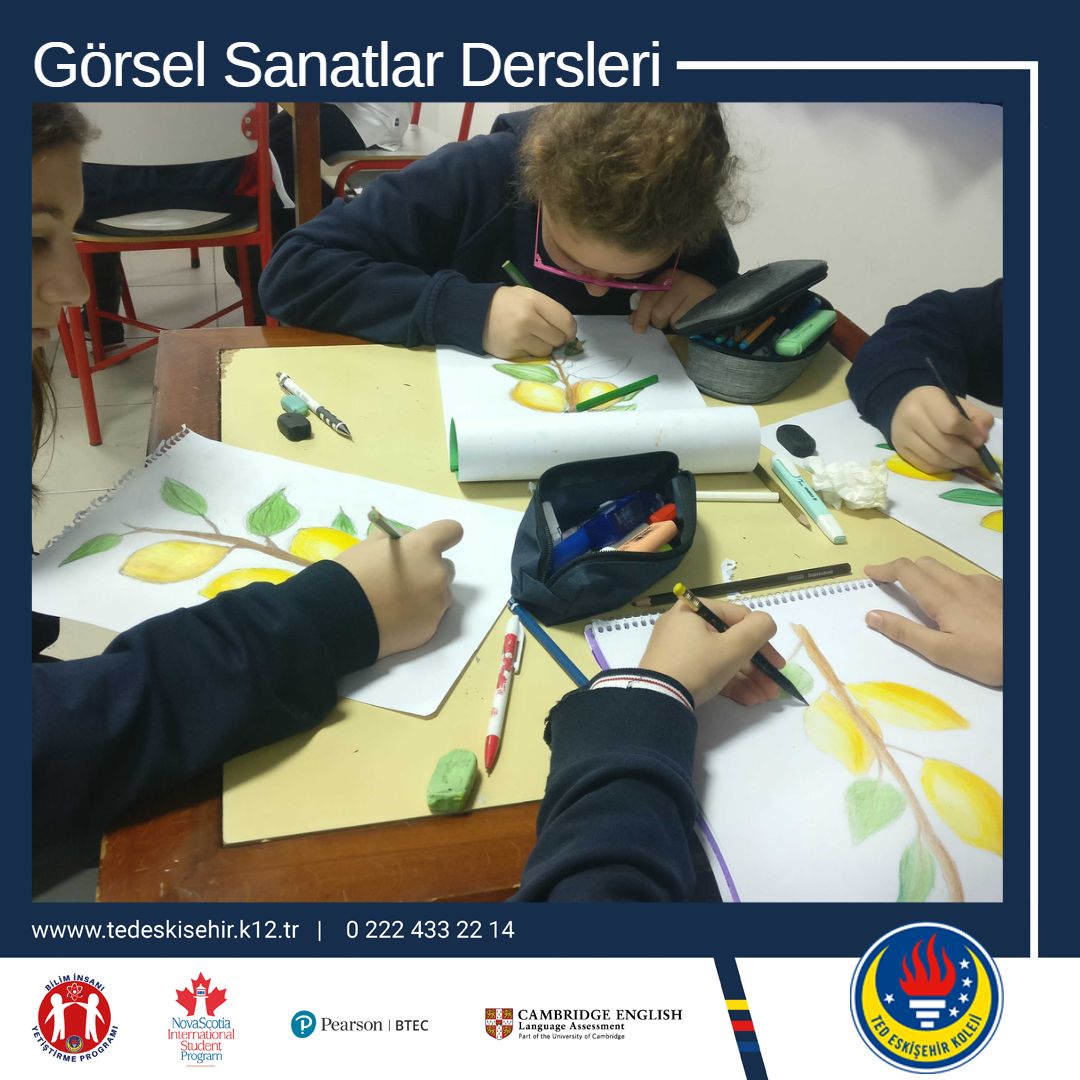
The visual arts curriculum aims to foster students' creativity, imagination, and aesthetic sensibilities, while also developing their ability to interpret their own thoughts and emotions through a critical lens. The course encompasses a wide range of activities, including the study of art history and significant works of art; nature and still-life studies using watercolor techniques; charcoal drawing; the creation of three-dimensional designs from various materials—often displayed in classrooms and school corridors during special occasions and events—as well as ceramics, participation in art competitions organized by various institutions, and the production of canvas paintings for the year-end art exhibition. Furthermore, through our club activities, students have the opportunity to further refine their knowledge and skills in areas that particularly interest them.
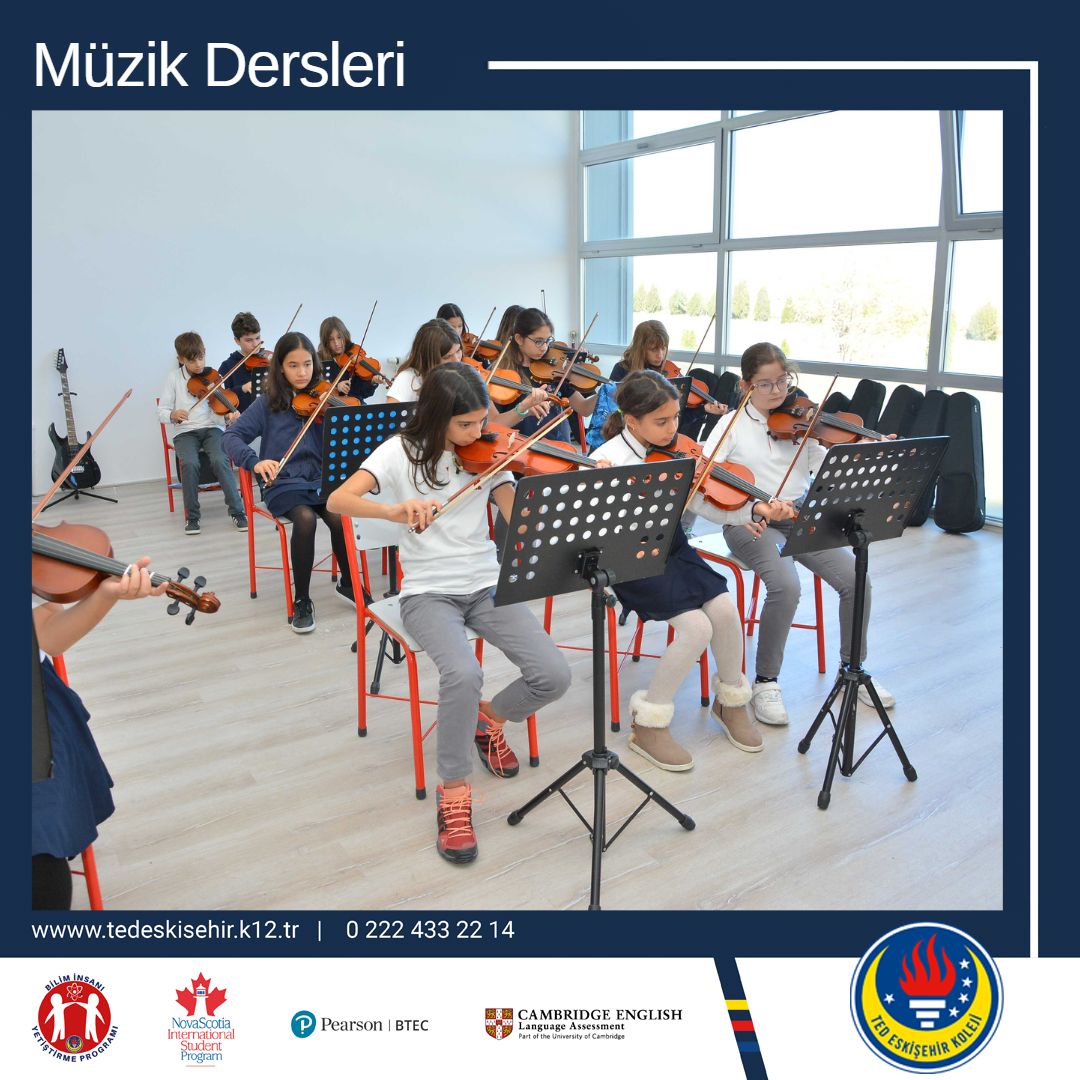
In the music classes at TED Eskişehir Private Middle School, our primary goal is to foster a love for music in our students, helping them embrace it as an integral part of their lives. We aim to boost their self-confidence, expose them to high-quality contemporary music, and cultivate them into discerning listeners. We introduce students to a wide variety of musical genres and guide them in learning an instrument of their choice—covering its structure, tuning system, and history, followed by the study of musical notation. Depending on the instrument selected (such as the violin, cello, flute, melodica, guitar, piano, or drums) and the student’s physical build, we teach proper posture, instrument handling, and the specific techniques required for performance—whether it involves blowing, bowing, or other methods. As students progress, they learn to interpret musical notation, developing their skills in rhythm reading (bona) and solfège. They begin by playing simple pieces, with the level of difficulty increasing as their proficiency grows. As they advance, students incorporate dynamic markings into their performances, moving beyond mere technical execution to true musical expression. Those who wish to pursue their instrument at a more advanced level can join specialized clubs, where they work closely with subject-matter experts. Through this process, students prepare for our annual music recitals—performing as soloists, in choirs, or as part of an orchestra—and contribute to our school ceremonies. By the time they graduate, our students have not only acquired a comprehensive theoretical understanding of music but have also reached a level of proficiency that allows them to perform; consequently, every student graduates from our school capable of playing a musical instrument.