
Öğrenci Kulüpleri
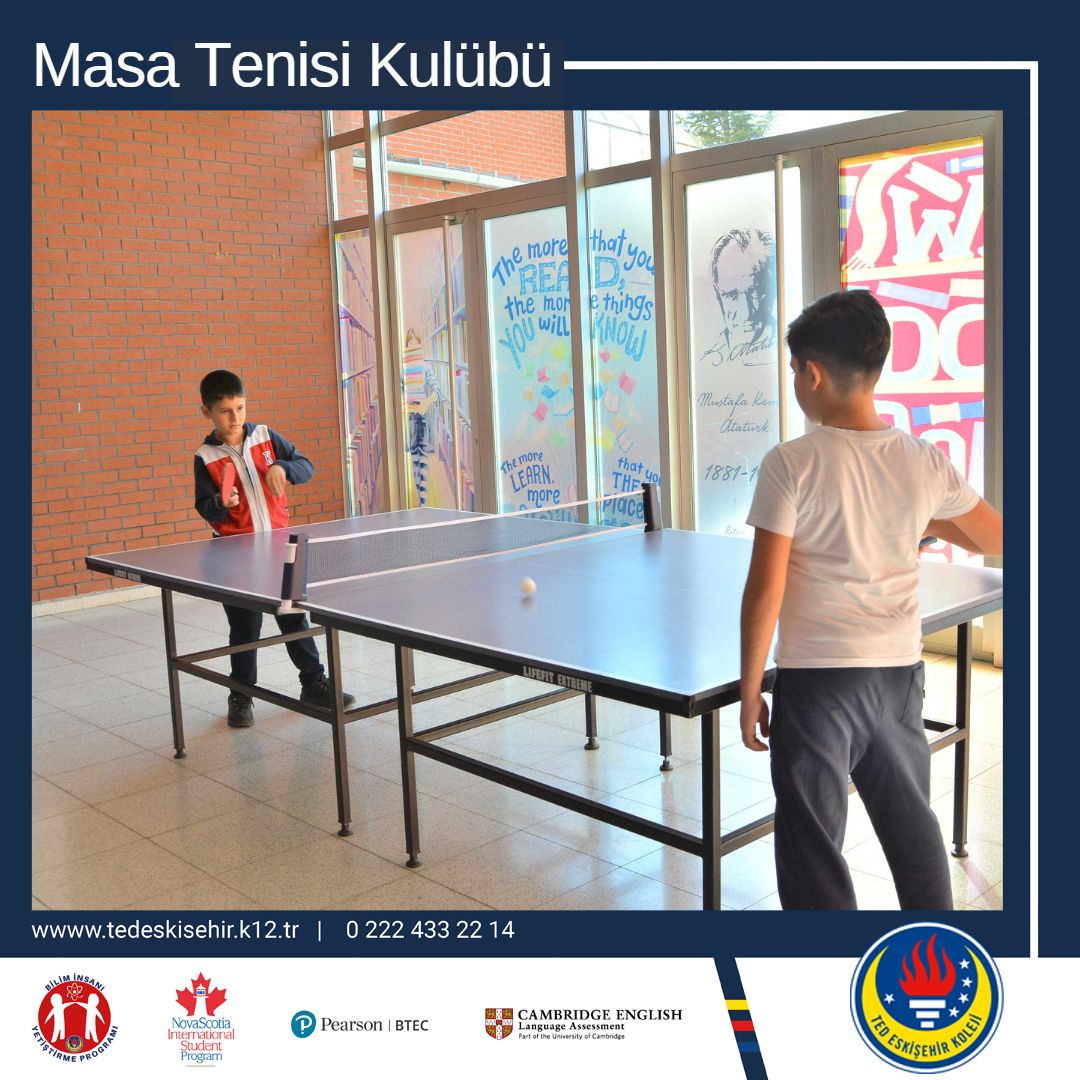
At our school, where table tennis is actively played by students aged 7 to 17, we provide support and guidance in this discipline. We do so because the sport helps develop various physical and psychological attributes—such as hand-eye coordination, fine and gross motor skills, the ability to overcome a fear of making mistakes, stress management, self-expression, and decisiveness—while also enhancing the harmonious coordination between the brain and the body.
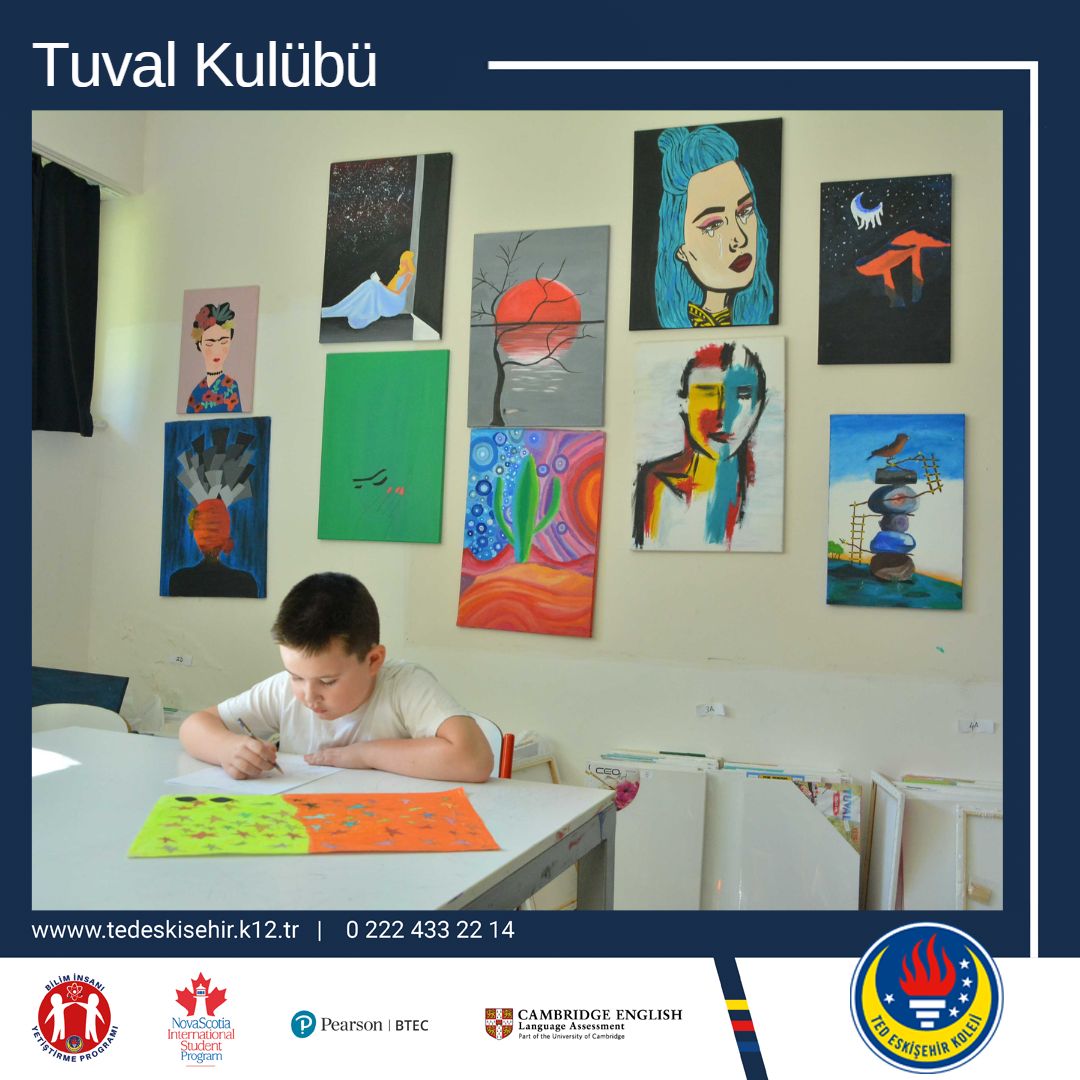
Original works are created using acrylic paint on canvas, encompassing landscape painting, composition, reproductions, and abstract art. Techniques such as brush painting, simple printmaking with various materials, and texture exploration are applied.
The program emphasizes the development of imagination and creativity by fostering brush-handling skills, fundamental motor abilities, and the effective use of color. Core artistic concepts—such as proportion and the relationship between figure and ground—are examined within the context of modern art. Furthermore, the curriculum incorporates the study of renowned painters and their masterpieces to enrich cultural awareness.
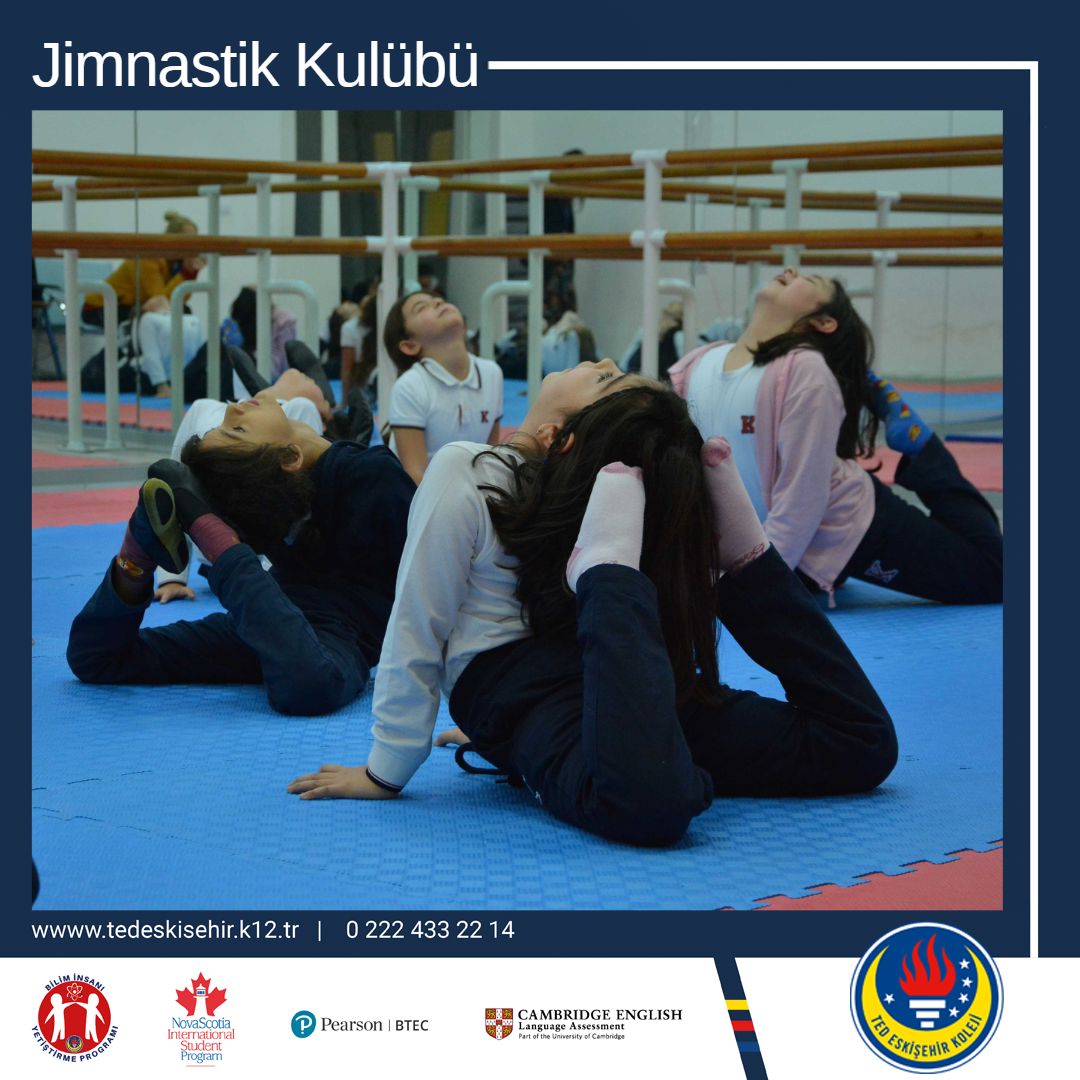
One of the most important goals of education is to prepare children for life. The primary school years represent a period during which the most lasting and positive contributions to a child's movement skills can be made. This phase encompasses developmental stages that will shape the course of a child's life. It is highly valuable for us to ensure that children—for whom the primary school years hold such significance—experience healthy and balanced physical development. Physical education activities are the most suitable means of meeting children's needs for movement.
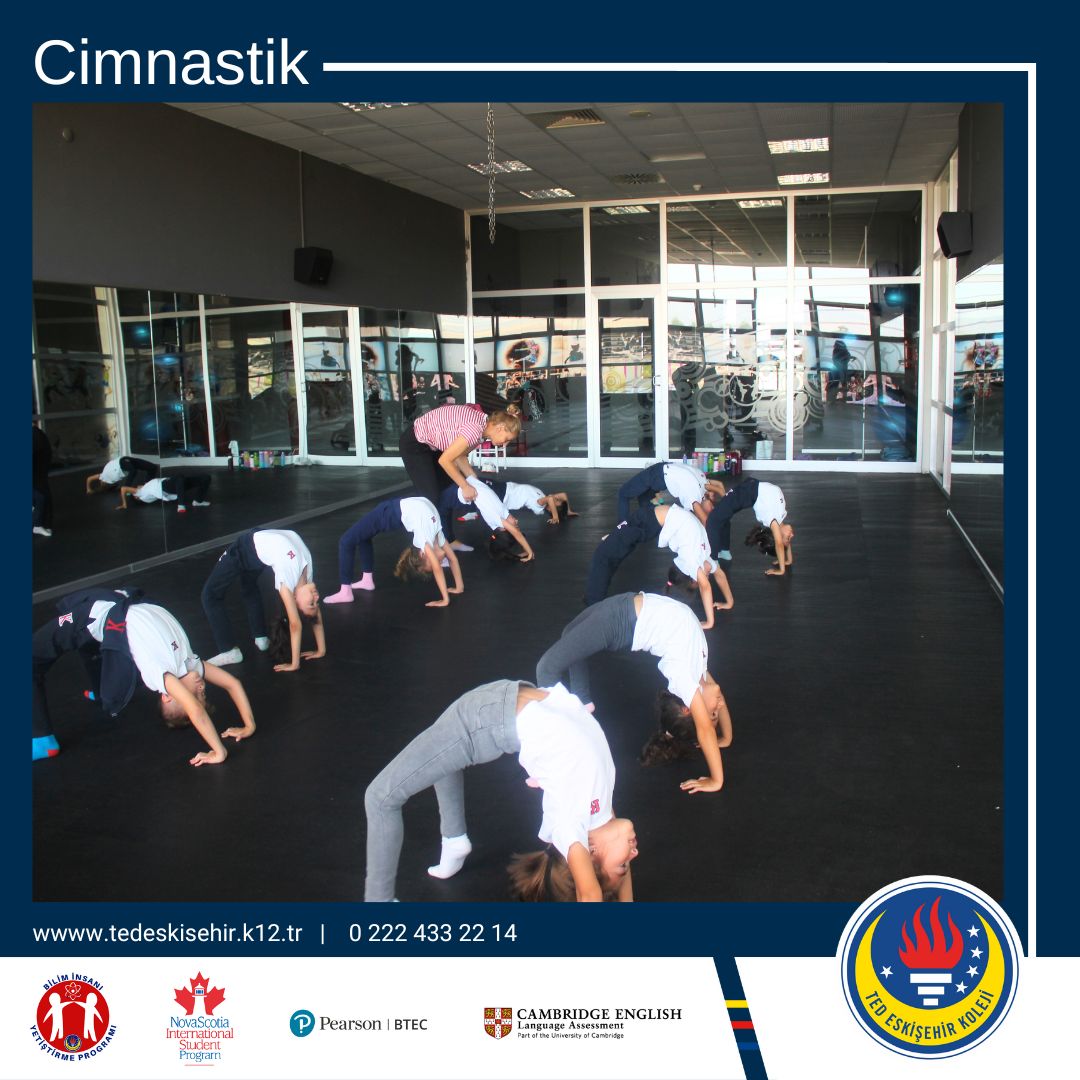
Gymnastics, as a component of physical education, serves as a key factor influencing a child's development. Regular physical activity not only helps children build a healthy physique but also contributes to maintaining that physical well-being as they grow older. During the primary school years, gymnastics training—which takes individual differences into account—functions as a systematic and structured educational process designed to uncover and refine a child's existing talents and skills, while also facilitating their healthy integration and adaptation into society.
Through gymnastics classes, the aim is to foster not only versatile movement skills in children but also their psychological well-being.
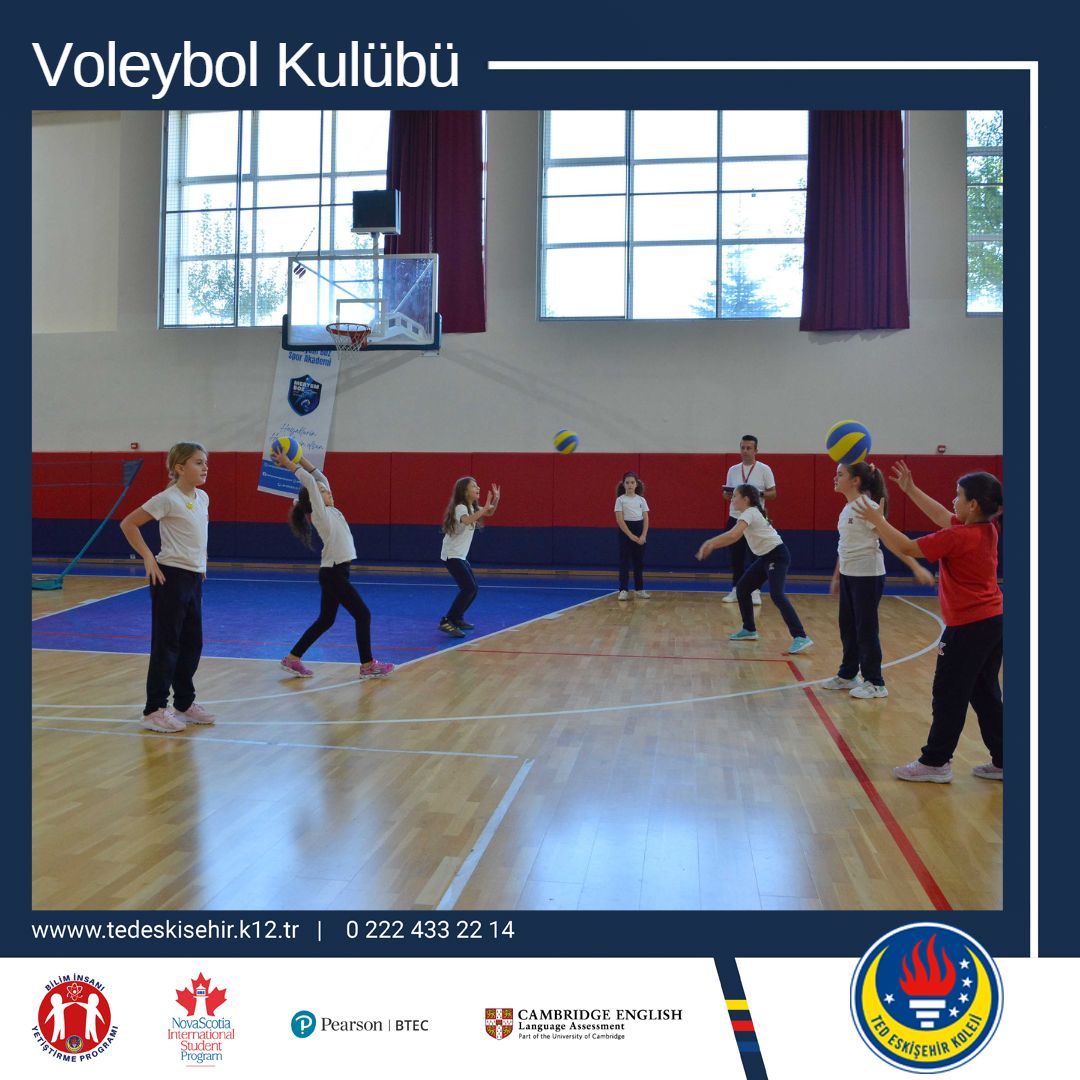
It is believed that gymnastics, as a form of movement education, makes a significant contribution to the development of a child's abilities. At the primary school level, we continue to provide gymnastics training in line with these objectives.Volleyball supports children during their developmental years by fostering both moral, positive behavior and a healthy physique. By playing volleyball, children learn to organize their lives and practice discipline from a young age, leading to faster physical, social, and mental development compared to their peers.
Volleyball helps the body maintain constant flexibility.
Volleyball assists in developing proper breathing techniques.
In addition to strengthening the body, volleyball enhances coordination, ensuring that movements are fluid and well-synchronized.
Volleyball encourages the development of a flexible physique—often referred to as having "long muscles." Consequently, as the body remains consistently flexible, it naturally takes on a more supple and agile form.
Compared to many other sports, volleyball contributes to greater spinal strength.
For children who play volleyball, the body develops in a balanced manner, with muscles across all areas growing proportionately.
Because the rules of the game require movement both in the air and on the ground, volleyball helps ensure an even distribution of body mass.
To lead their team to success, players must rely on one another. By constantly passing the ball to their teammates, children learn the value of cooperation—unconsciously preparing themselves for the collaborative nature of professional life.
Unlike many other sports, volleyball is a unique team game that is entirely free of physical aggression, as the two teams play on opposite sides of a net. Since there is no physical contact between the players, there is no scope for aggressive behavior directed toward the opposing team.
As a team sport, volleyball helps players develop a sense of responsibility—both on an individual level and as a member of a team.
Children who play volleyball learn how to work within a group, set goals, and plan their lives around those objectives. This, in turn, helps them make more efficient use of their time.
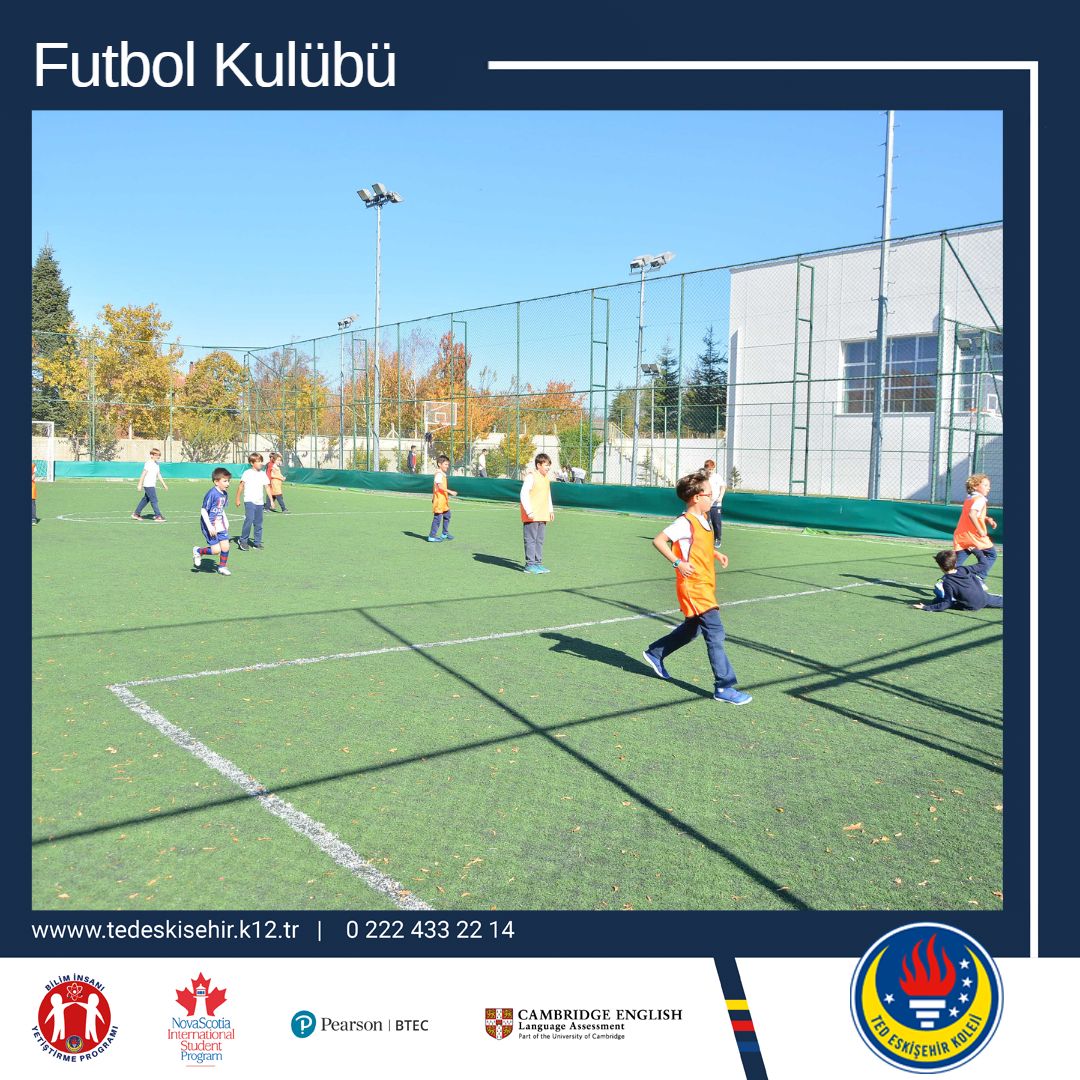
The primary prerequisite for a healthy, high-quality life—one filled with enjoyment, a fit body, and a positive state of mind—is regular exercise tailored to an individual’s personal capacity, regardless of their age. Those who engage in regular physical activity benefit from a healthier cardiovascular system, a nervous system more resilient to stress, a happier and more peaceful life, greater self-confidence, and an overall sense of well-being. For children, participation in sports fosters well-rounded development.
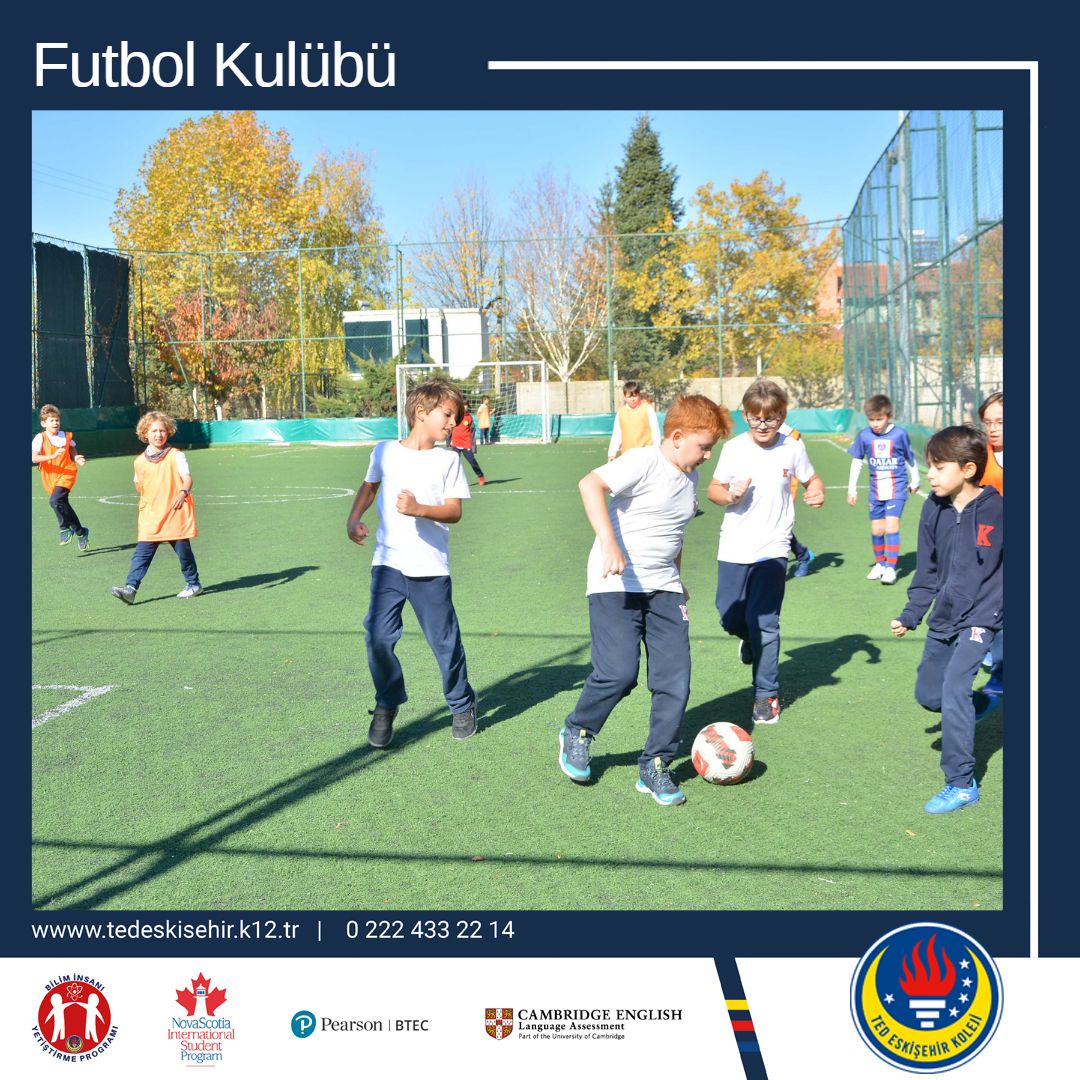
Sports not only promote physical health in growing children but also positively influence the development of their personality and intellect. Participating in football as a team member helps children cultivate a sense of mutual assistance, cooperation, and respect—both for their teammates and for the rules of the game. As a team sport, football teaches children how to function within a group and how to manage their own actions and emotions. Furthermore, football strengthens social bonds between people and helps bridge gaps between them.
Starting from the second grade, our art and sports curriculum—which consists of two class periods per week—is designed to support and guide our students. Beyond the core skills specific to each discipline, we focus on fostering the broader developmental goals and outcomes mentioned above.
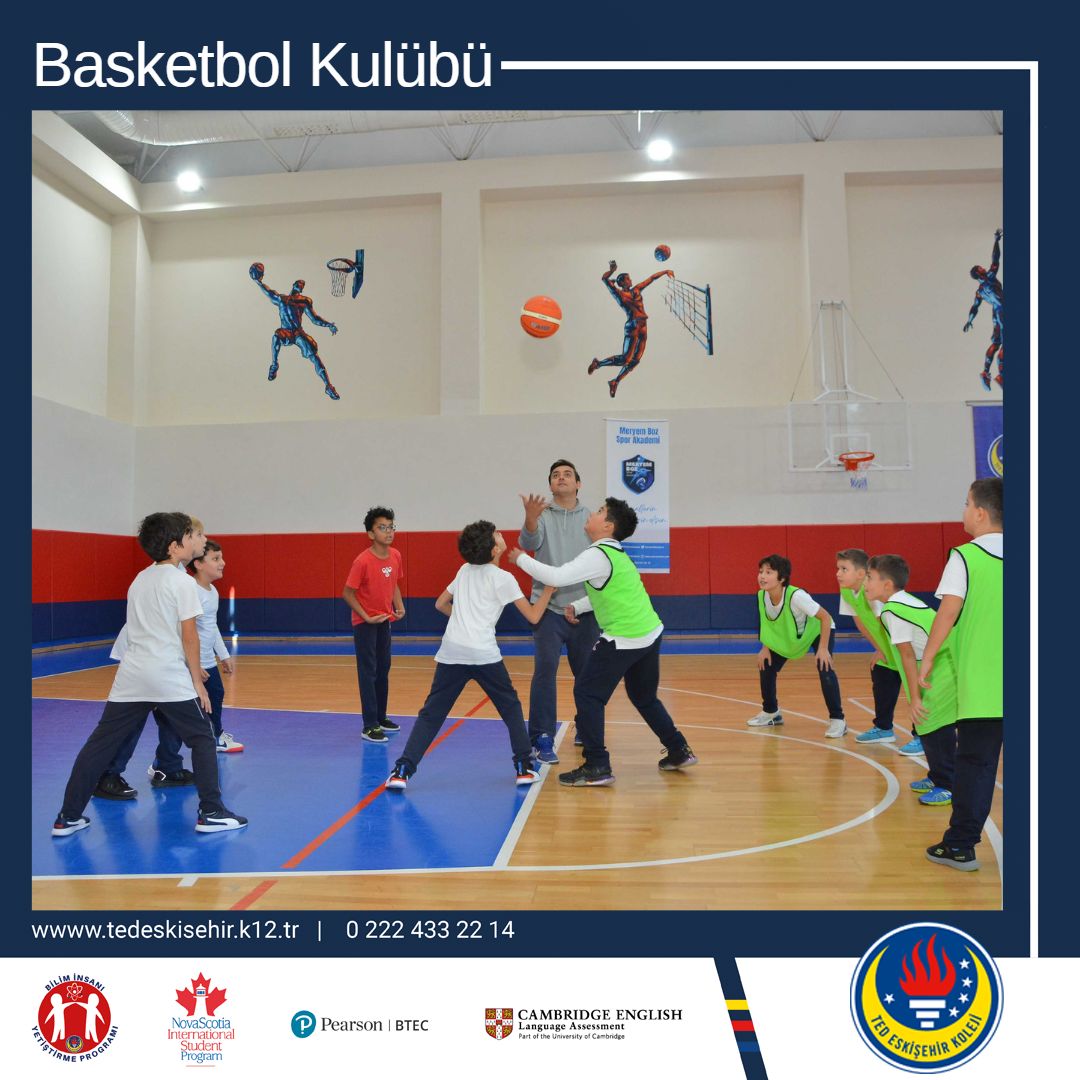
Basketball offers numerous benefits for child development. It helps children overcome a sedentary lifestyle, fosters socialization, instills discipline, and contributes significantly to the acquisition of a beneficial hobby.
It aids in the development of athletic abilities.
It helps the body become strong, agile, and flexible.
It provides significant advantages for the development of a child's muscular and skeletal systems.
It strengthens the body and increases physical endurance.
Since children are constantly in motion, they burn calories, which helps them shed unhealthy excess weight.
Basketball is a team sport. Being part of a team helps children develop a sense of unity and togetherness. Furthermore, because the sport requires constant interaction with teammates, it strengthens communication skills.
A child learns to compensate for a teammate's mistake, addresses shortcomings, and strives for the team's overall success. In this regard, basketball is an excellent sport for cultivating a sense of cooperation.
As with any sport, taking care of oneself and maintaining a healthy diet are fundamental in basketball. The benefits of the sport are maximized when combined with proper nutrition and a consistent sleep schedule. It has been observed that physical activity stimulates the release of growth hormones in children; when paired with a regular, balanced diet, this leads to more significant physical and mental development. This demonstrates that for our children to become successful individuals, sports must be a part of their lives. Sport; It will always be a source of support for our children in their social lives and regarding their health.
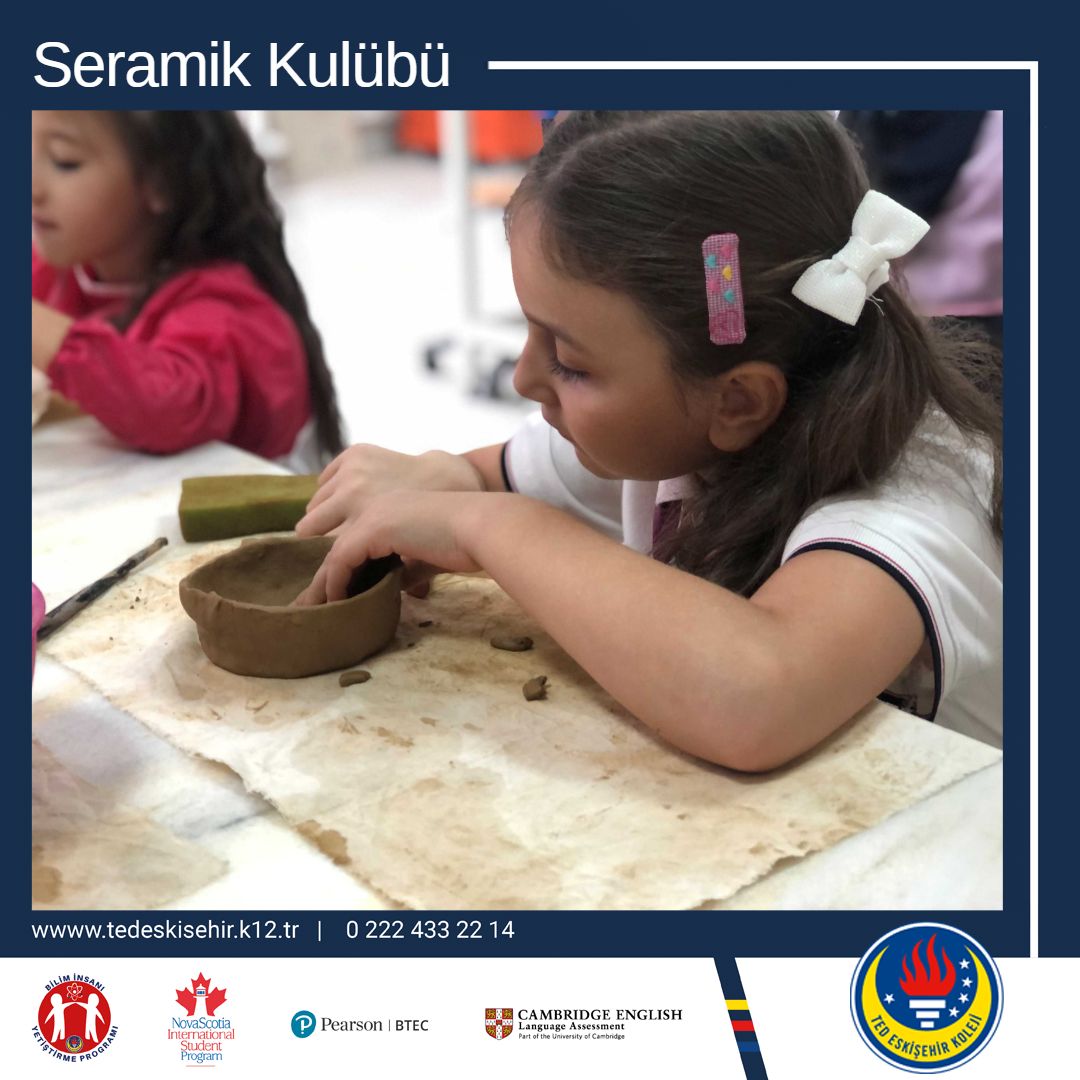
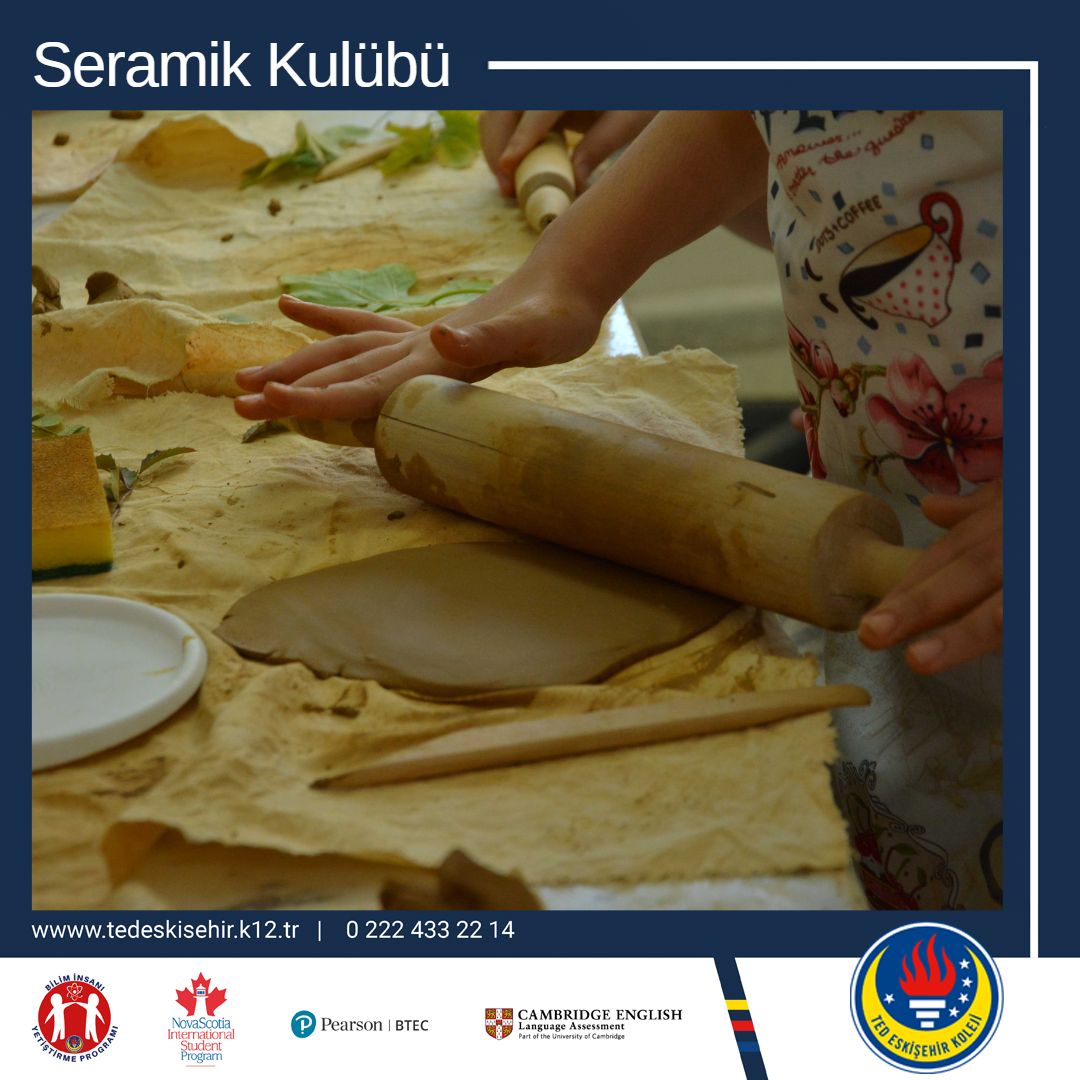
The art of ceramics, which dates back as far as human history itself, has managed to retain its inherent natural quality despite all technological and scientific advancements. Originating from a practical necessity, this art form has evolved over time to encompass the creation of decorative objects, becoming an integral part of our lives.
In our ceramics club, our goal is to contribute to the development of our students' creativity. The unique experience of working with ceramic clay will serve as a significant factor in both their cognitive and motor skill development.
We aim to enable our students to express their emotions with ease, give tangible form to their inner worlds, and apply three-dimensional thinking to their daily lives.
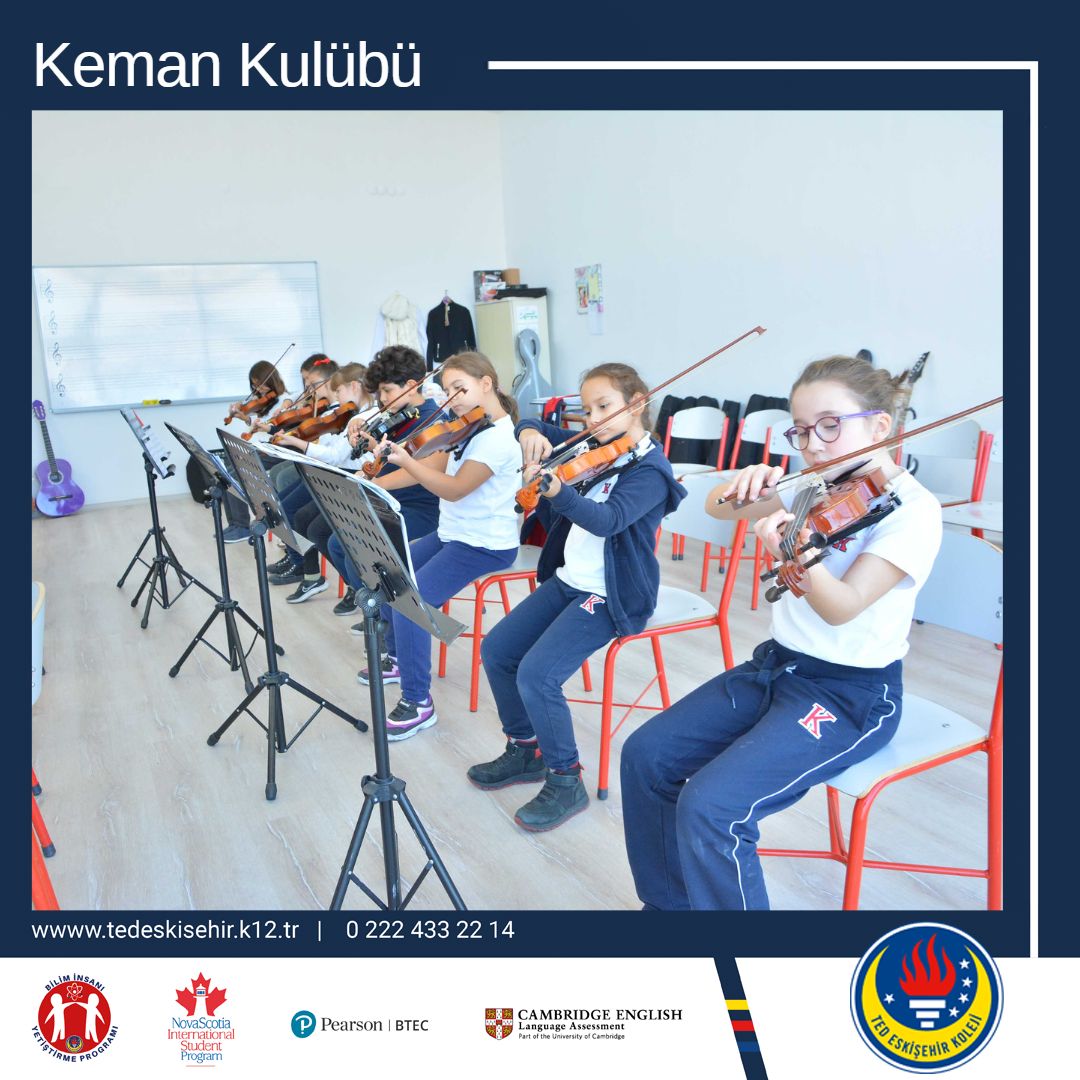
The violin is the smallest member of the violin family—which also includes the viola, cello, and double bass—and it produces the highest-pitched sounds. It has four strings. The bow used to play the violin is called an "archet" (or simply a "bow"). At TED Eskişehir College, violin instruction is offered as part of the arts and sports curriculum. Playing the violin supports development in many proven ways:
· It fosters self-confidence and a sense of personal identity.
· It develops a child’s sense of music and rhythm.
· It makes it easier for a child to adapt to their environment.
· It encourages socialization.
· It is effective in helping to overcome learning or comprehension difficulties.
· It provides an enjoyable way to spend time.
· It teaches the value of teamwork.
· It teaches how to take on responsibility.
· It encourages a positive outlook and the ability to view life from different perspectives.
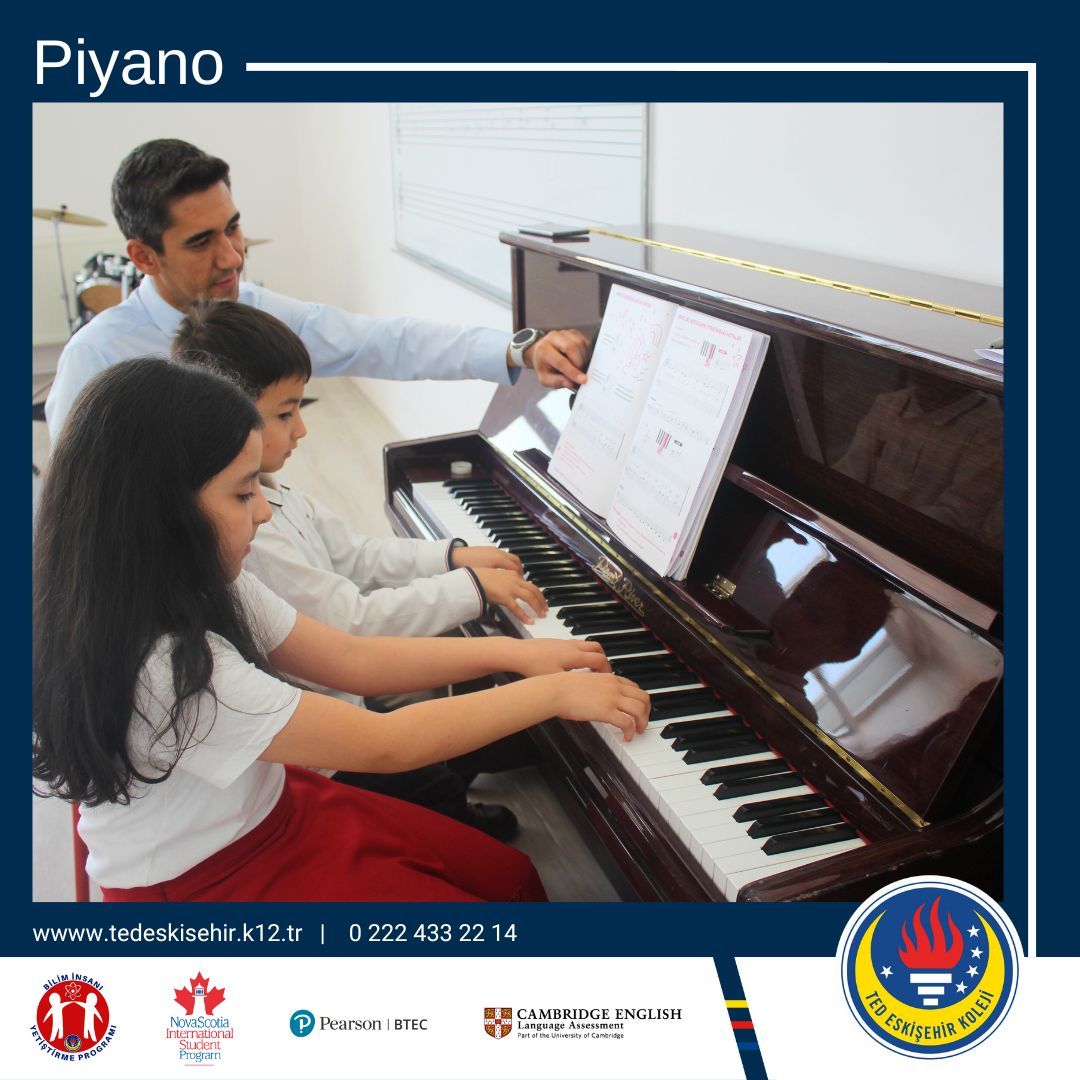
The piano is a keyboard musical instrument that produces sound when hammers, connected to the keys via a special mechanism, strike its strings. It features 88 keys (52 white keys and 36 black keys). At TED Eskişehir College, piano instruction is offered as part of the arts and sports curriculum. One of our primary goals is to enable students to express their emotions and thoughts through music and to integrate music into their daily lives. Playing the piano has been shown to support development in many areas:
· It improves body coordination.
· It increases concentration span.
· It develops auditory and verbal skills.
· It fosters rapid reading skills.
· It enhances numerical intelligence.
· It instills a sense of work discipline.
· It improves memory.
· It develops abstract reasoning intelligence.
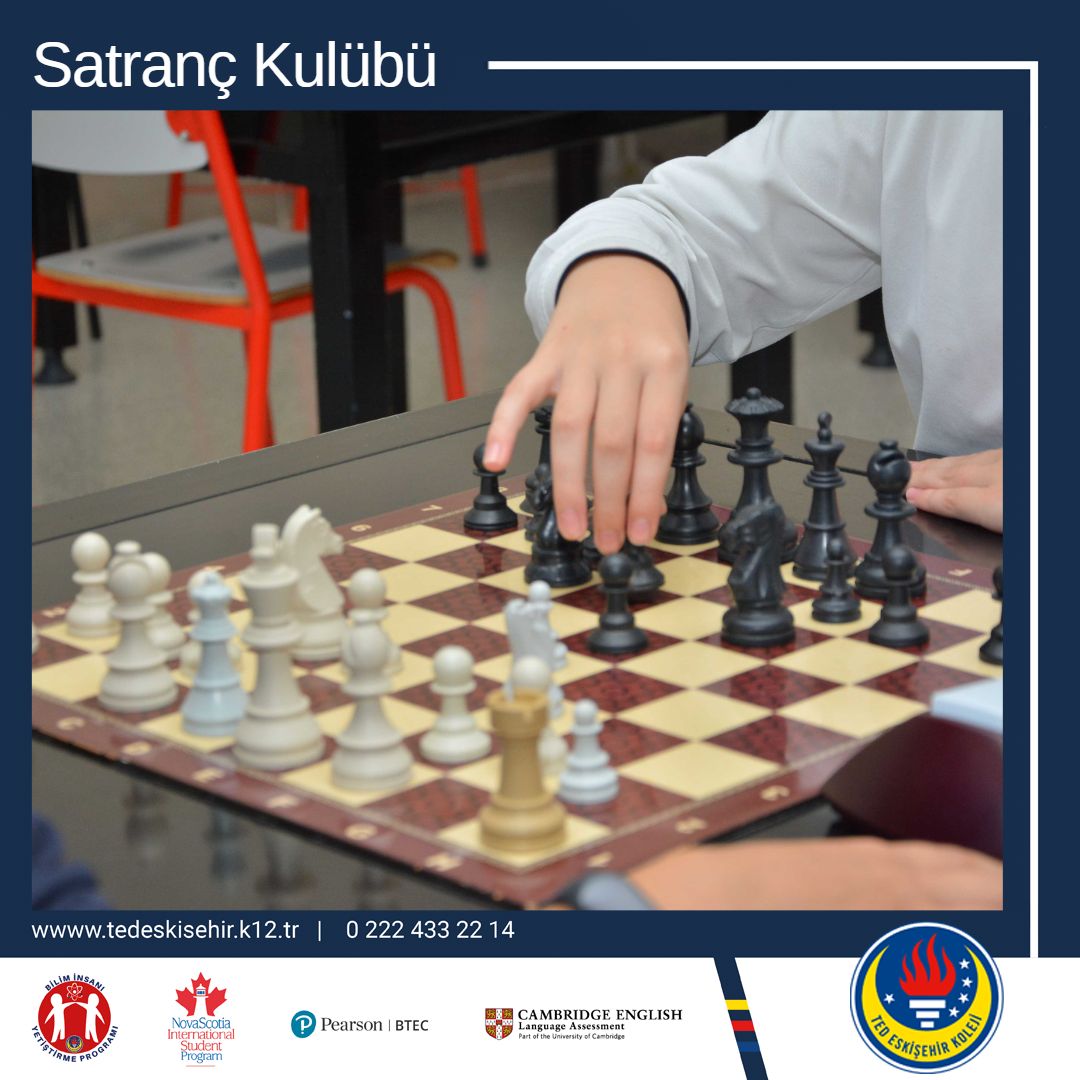
Chess is an activity that allows children to develop strategies while having fun, and it serves as a bridge between cultures. Since chess is played all over the world, children learn a game that speaks a universal language.
Research has shown that chess instruction in the preschool years contributes positively not only to chess skills but also to the foundational knowledge required for many academic subjects that children will encounter later in their education.
Starting chess at an early age is important; however, the quality of the instruction provided and the role of the instructor are crucial.
In our kindergarten program, for the 4- and 5-year-old age groups, we incorporate one hour of chess per week, complemented by storytelling, coloring, various activities, online games, songs, and drama—all designed to help our students develop a love for the game.
Through chess, we aim to equip our students with skills such as problem-solving, independent decision-making, strategy development, humility, and the resilience to persist even after a defeat.
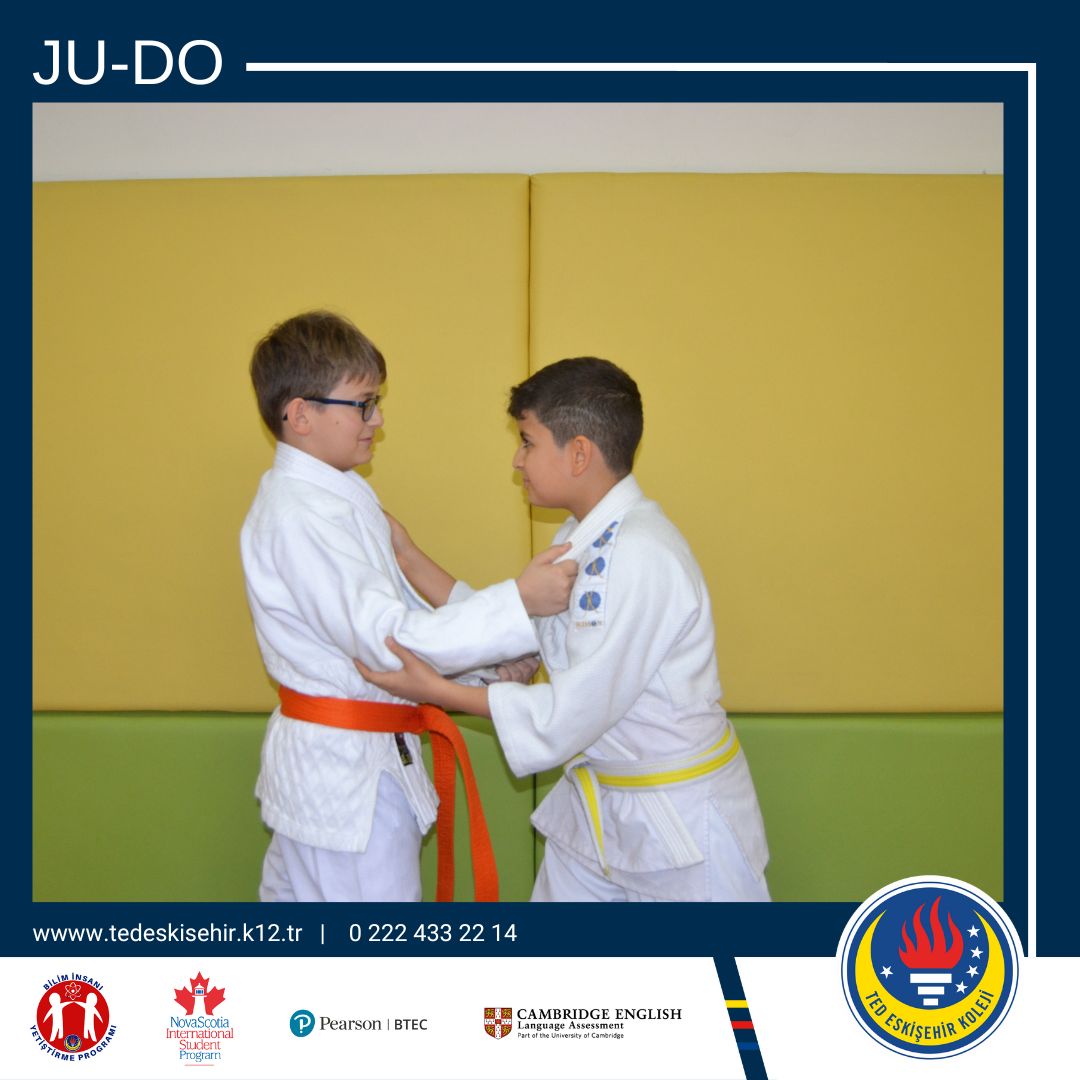
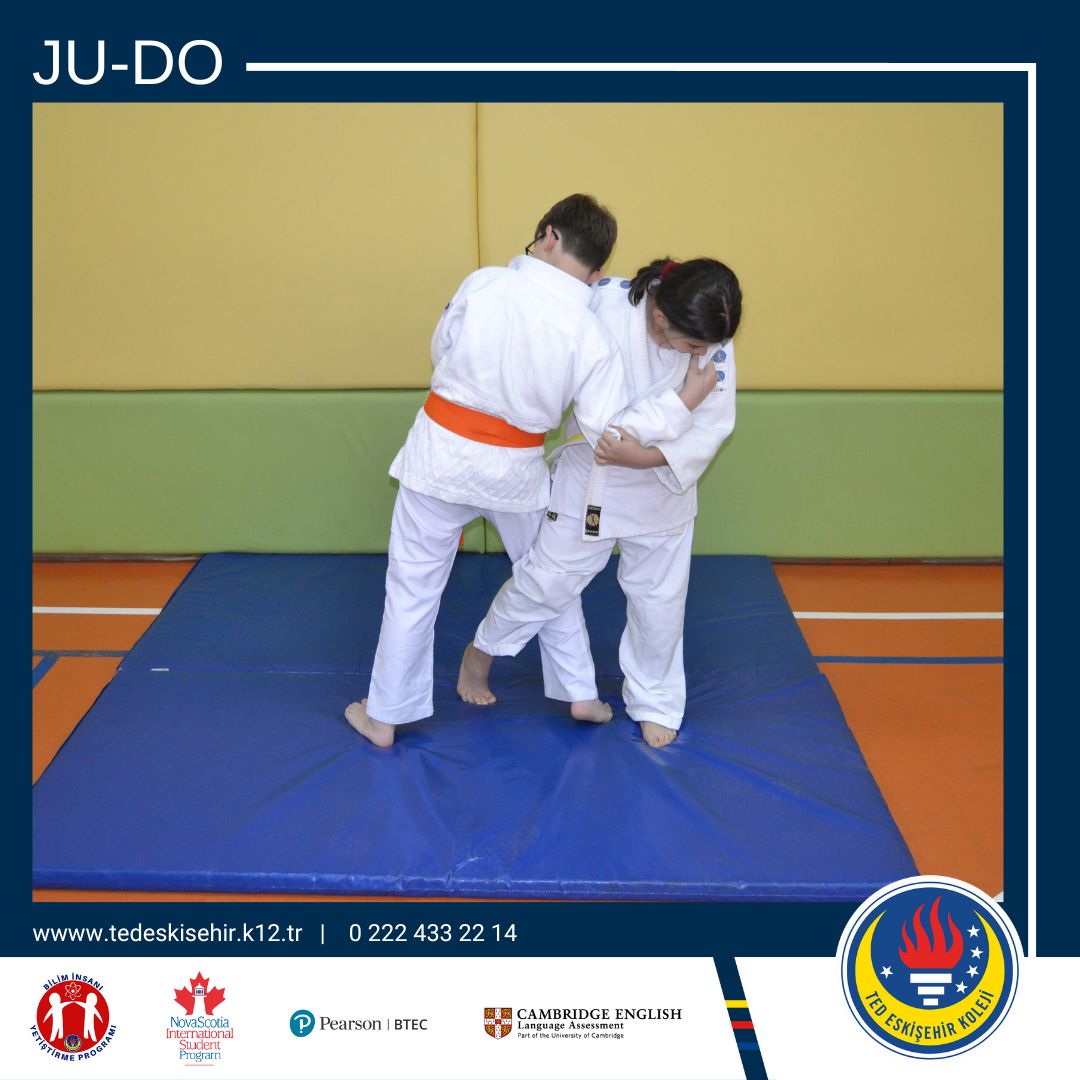
Raising a good human being is more important than raising a good athlete. The sport of judo encompasses all the qualities necessary for an individual to achieve success and earn the respect of society. The goal of our judo program is to instill in children a sense of discipline, proper conduct, punctuality, strength, perseverance, endurance, and self-confidence. Society also holds in high regard those who can win with humility and lose with grace. One of the most unique and essential principles taught in judo training is "respect for others." Over time, this respect evolves into a strong sense of self-confidence and discipline.
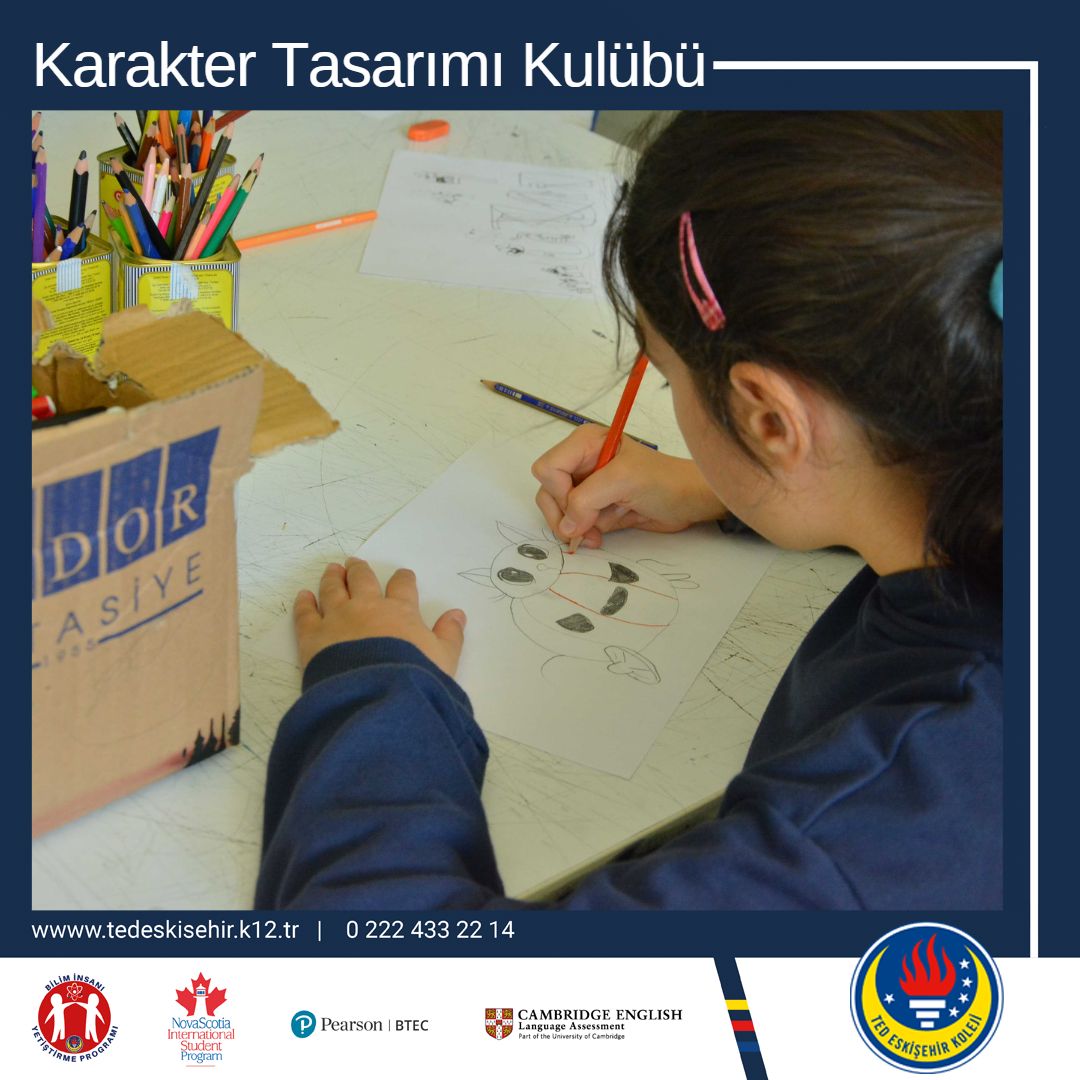
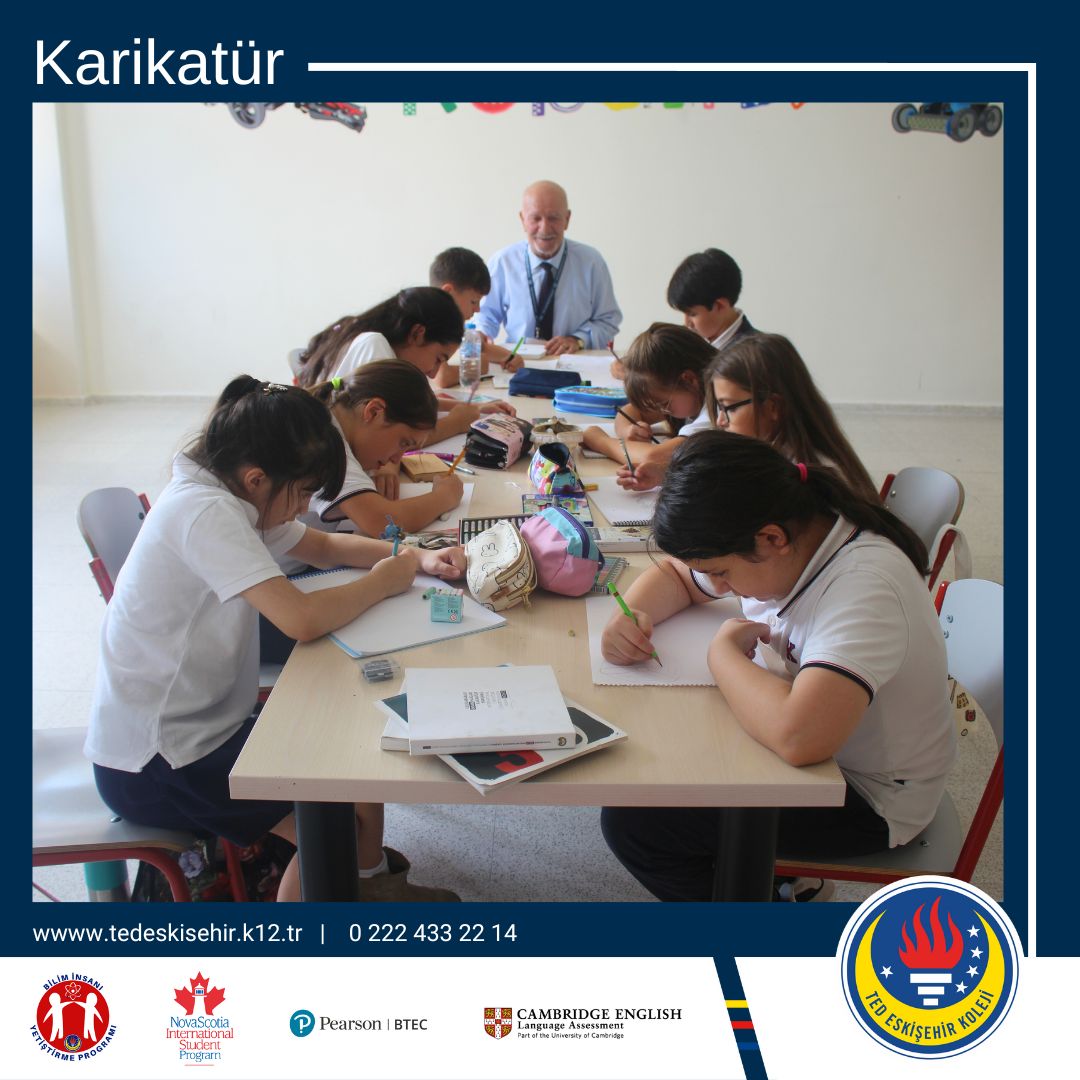
Caricature is an art form created through line drawing. Numerous scientific studies have demonstrated both the necessity and the effectiveness of using it in education. It appeals to all age groups, incorporating elements of entertainment, humor, and critical thinking. In this respect, it ensures that information and messages are easily conveyed and effectively retained. By blending the mechanism of critique with humor, it also contributes to the development of a sense of tolerance in individuals.
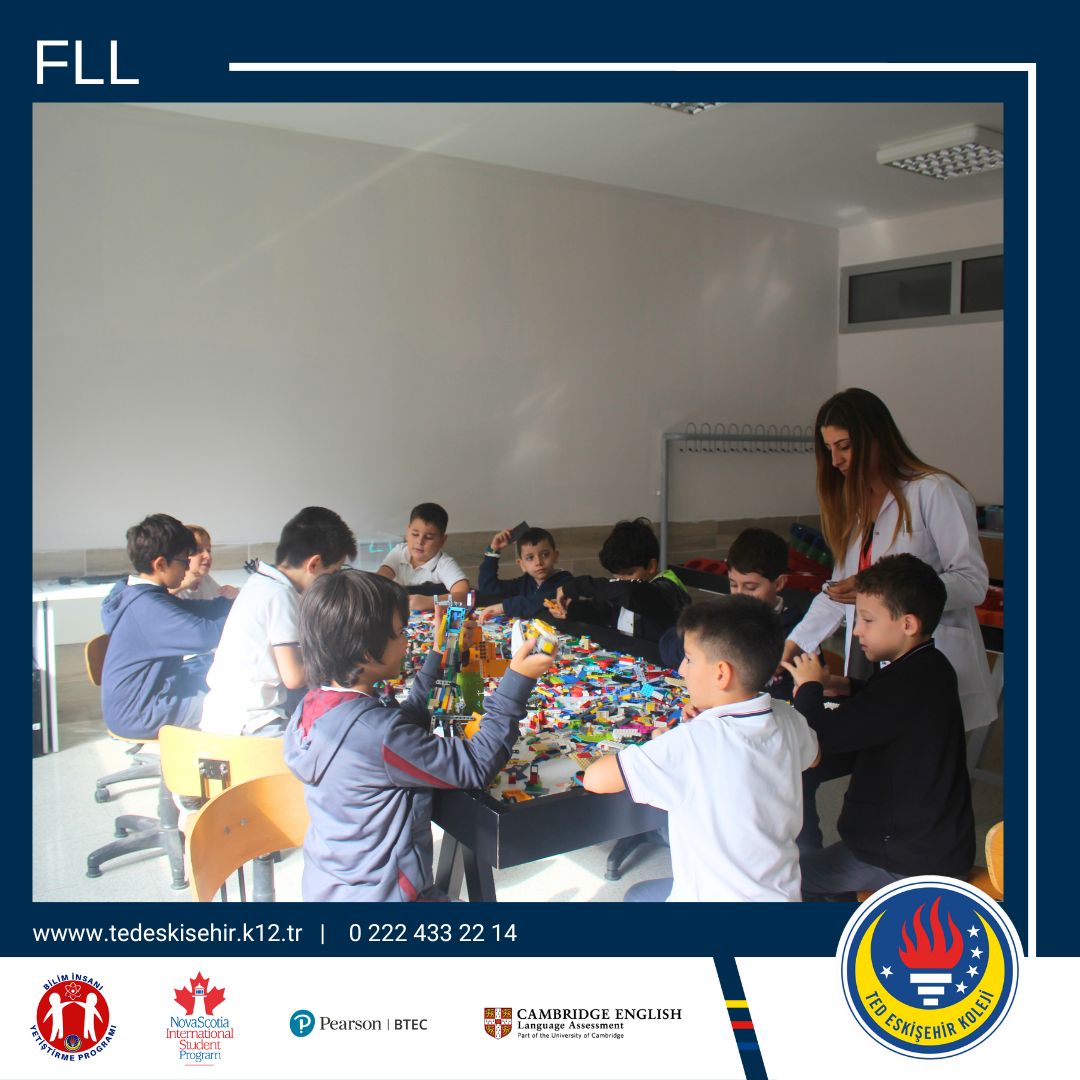
The First Lego League Club is a hub for engaging Lego projects, robot competitions, and the pursuit of solutions to real-world problems. We offer exciting opportunities to hone our STEM skills by competing with Lego robots that we design and program ourselves. Through collaboration and effective communication, we work together to successfully complete major projects. By participating in national competitions, we gain the chance to showcase our talents and earn awards. The First Lego League Club provides students with an unforgettable experience that is as educational as it is inspiring.
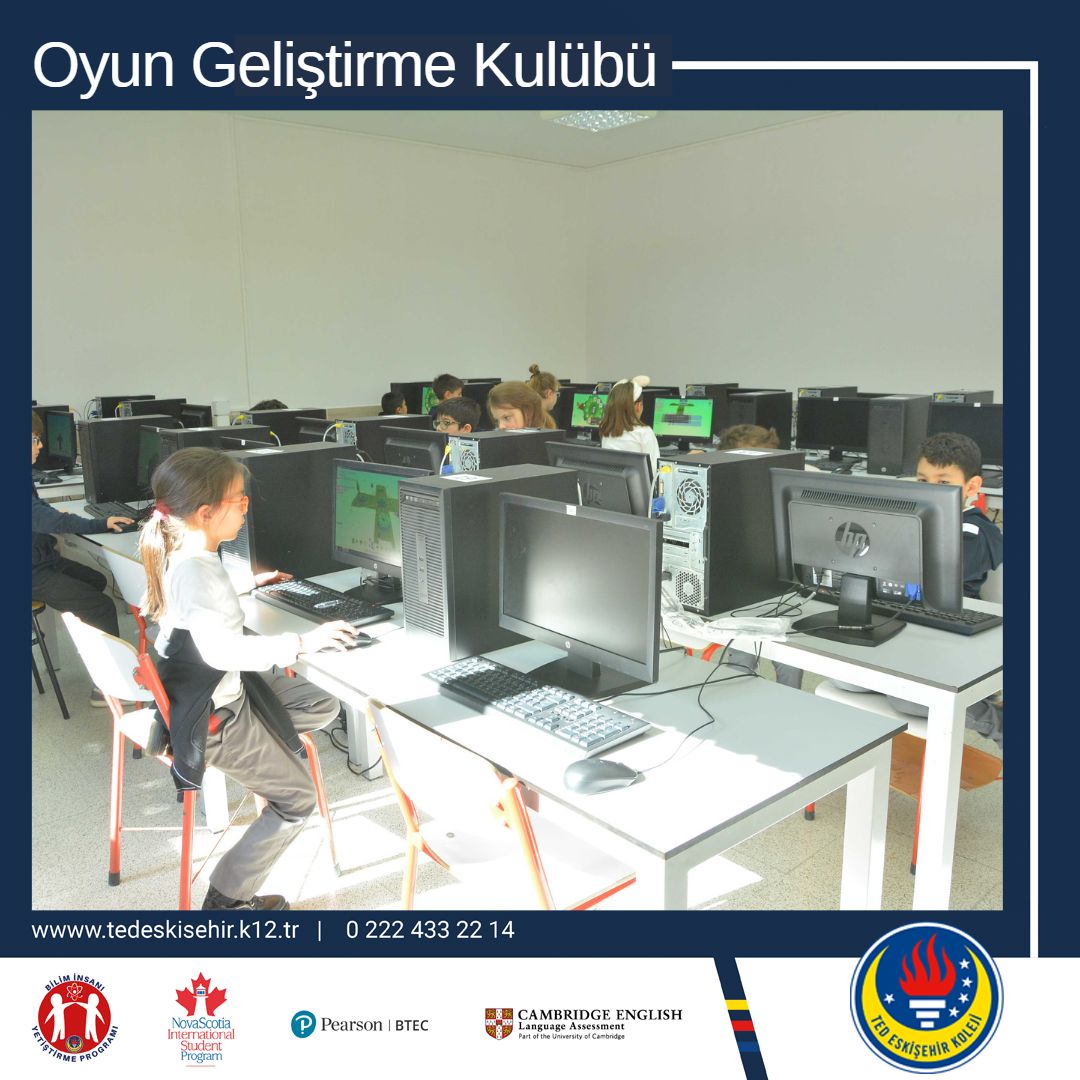
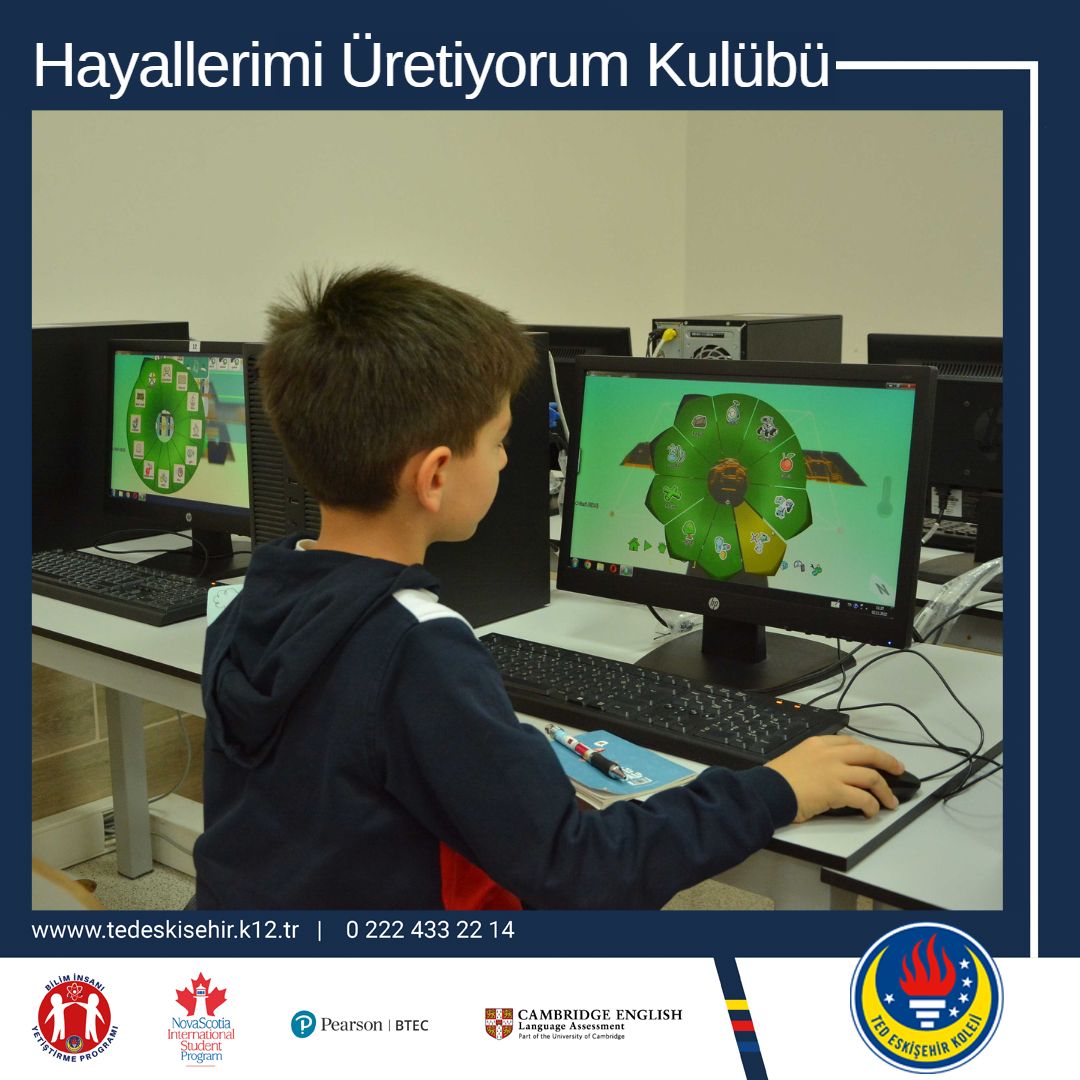
This club aims to teach students the fundamental skills and techniques used in the creation of digital games. Covering every stage of the game development process, it enables students to gain knowledge in areas such as game design, graphics, and animation. Within the world of interactive gaming, students can bring their own ideas to life, create entertaining and educational games, and explore the power of digital art. The "Developing My Own Game" club offers students a comprehensive perspective by integrating the creative and technical aspects of the digital world.
It is a unique performing art that blends elegance with discipline, transforming the body into a medium of expression. Through exercises focused on posture, flexibility, rhythm, and coordination, students develop both physically and mentally. Practiced to the accompaniment of music, these exercises nurture aesthetic perception while fostering lifelong, valuable skills such as focus, patience, and self-discipline. Ballet goes beyond teaching technical movements; it reveals the nuances of conveying emotions through the language of the body. Designed for all skill levels, ballet classes provide an environment where participants can strengthen their stage presence and freely express their creativity. Spanning everything from fundamental positions to choreography, and from classical repertoire to modern influences, this journey deepens students' interest in the arts and boosts their self-confidence. With its perfect harmony of rhythm and movement, ballet offers participants a journey that is as much physical as it is artistic.
Our goal is for our students to learn French—a major world language—through fun and interactive methods. In our club, children explore basic French vocabulary and expressions via songs, games, storytelling, and creative activities. At the same time, they gain delightful insights into French traditions, cuisine, and daily life. These activities are designed to enhance our students' language skills while fostering their curiosity about and respect for different cultures.