1Volleyball
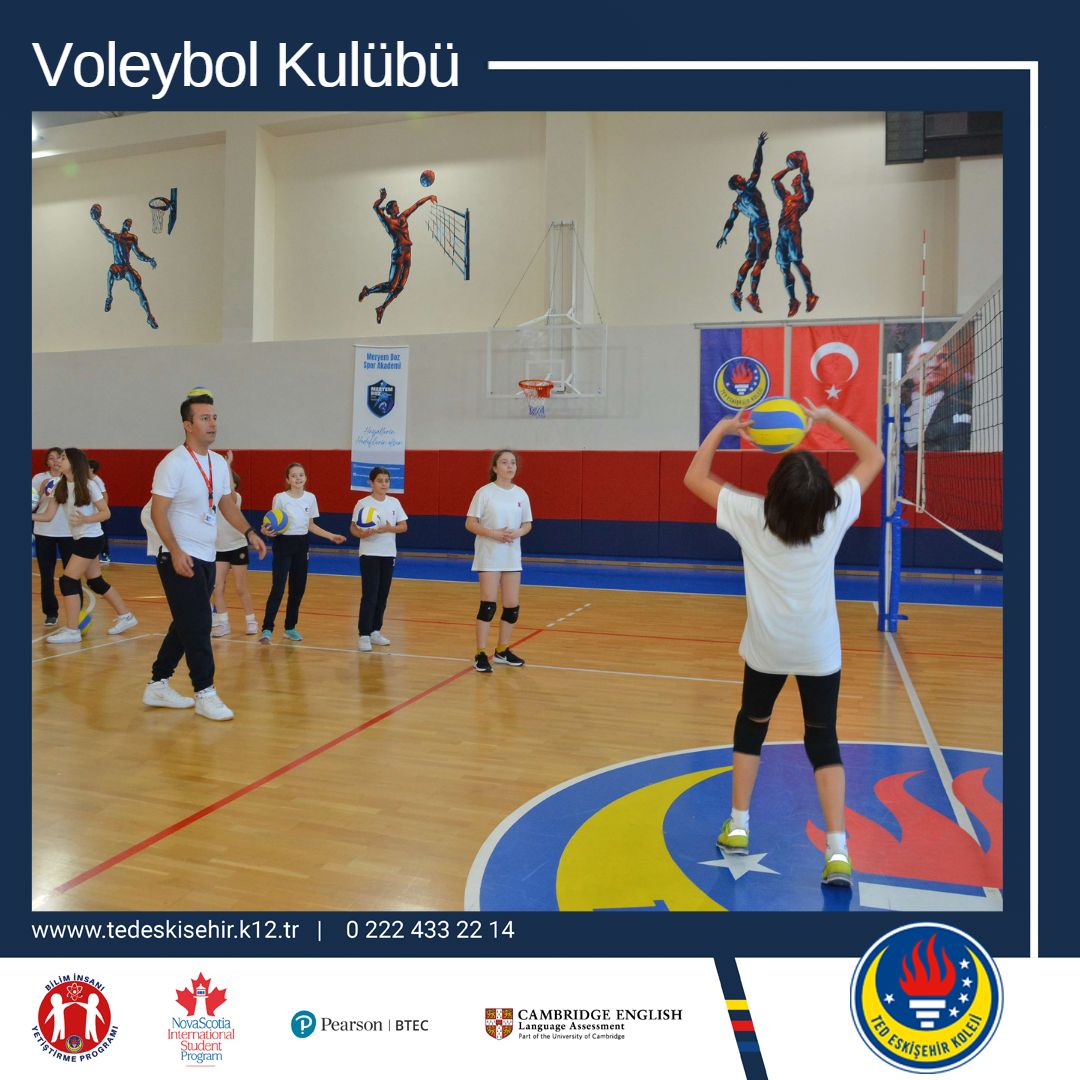
The primary goal of our course is to introduce students to volleyball by equipping them with fundamental knowledge and skills, fostering a love for the sport, and helping them integrate it into their daily lives. Another objective is to build a foundation for the school’s volleyball team for future seasons. Through our lessons, we aim to teach students the rules of the game, the importance of teamwork and cooperation, and to ensure they internalize these principles as they play.
2Basketball
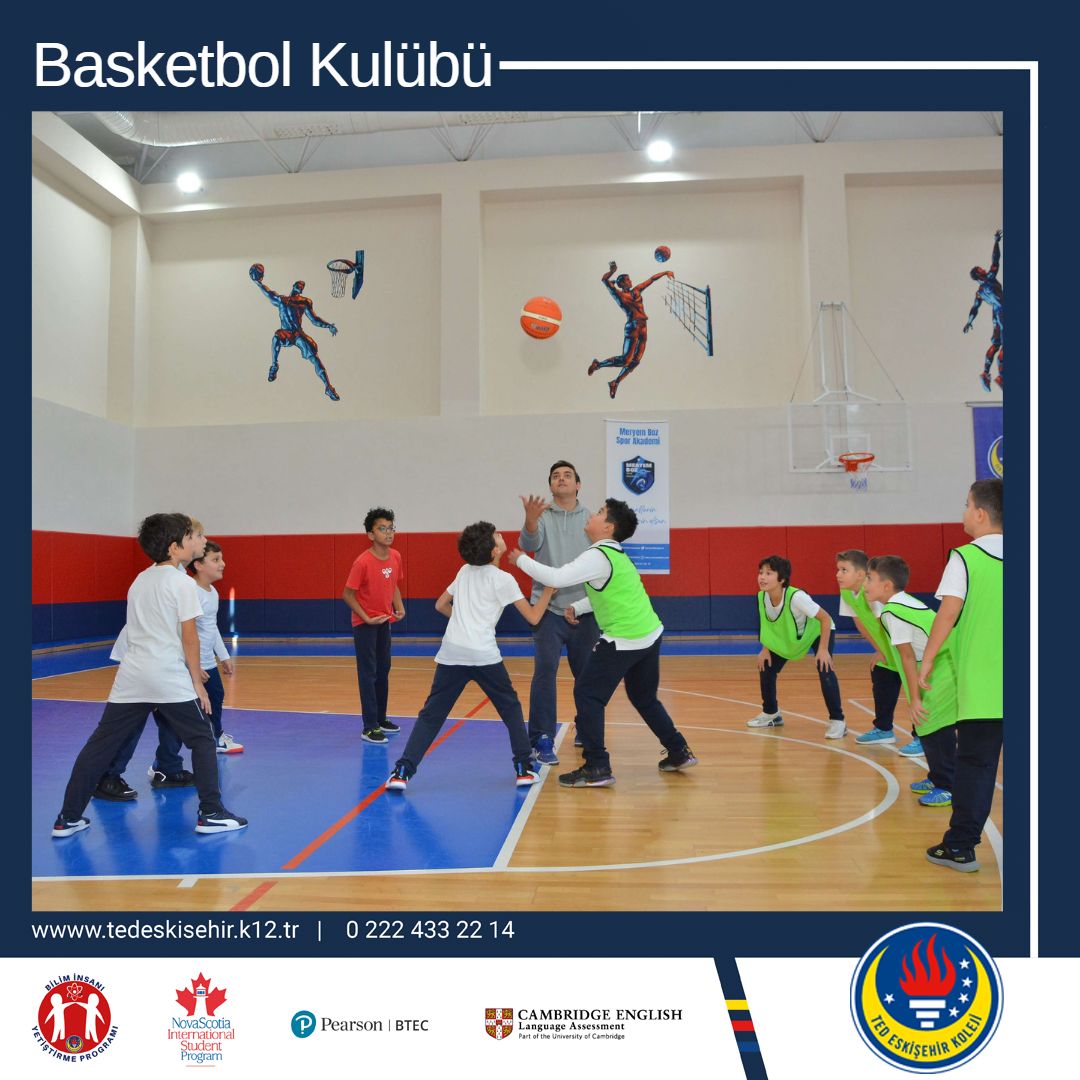
Our objective in arts and sports classes is to instill a culture of basketball in our students by implementing introductory, developmental, and preparatory programs tailored to their individual skill levels. By building our activities upon foundational knowledge, we lay the groundwork for future stages of their development. In addition to these skills, we provide guidance to our students in areas such as collaboration, social communication, friendship, and solidarity.
3Modern Dance
The goal of our club is to foster a love for gymnastics—the foundation of all sports—among our students. Through our training sessions, we aim to develop their strength and flexibility, while also cultivating the ability to move in a disciplined, organized manner within a group, and promoting an aesthetic physical posture. Our classes incorporate foundational gymnastics exercises alongside choreography for the performances we present at the end of the year, ensuring that our training remains an enjoyable experience.
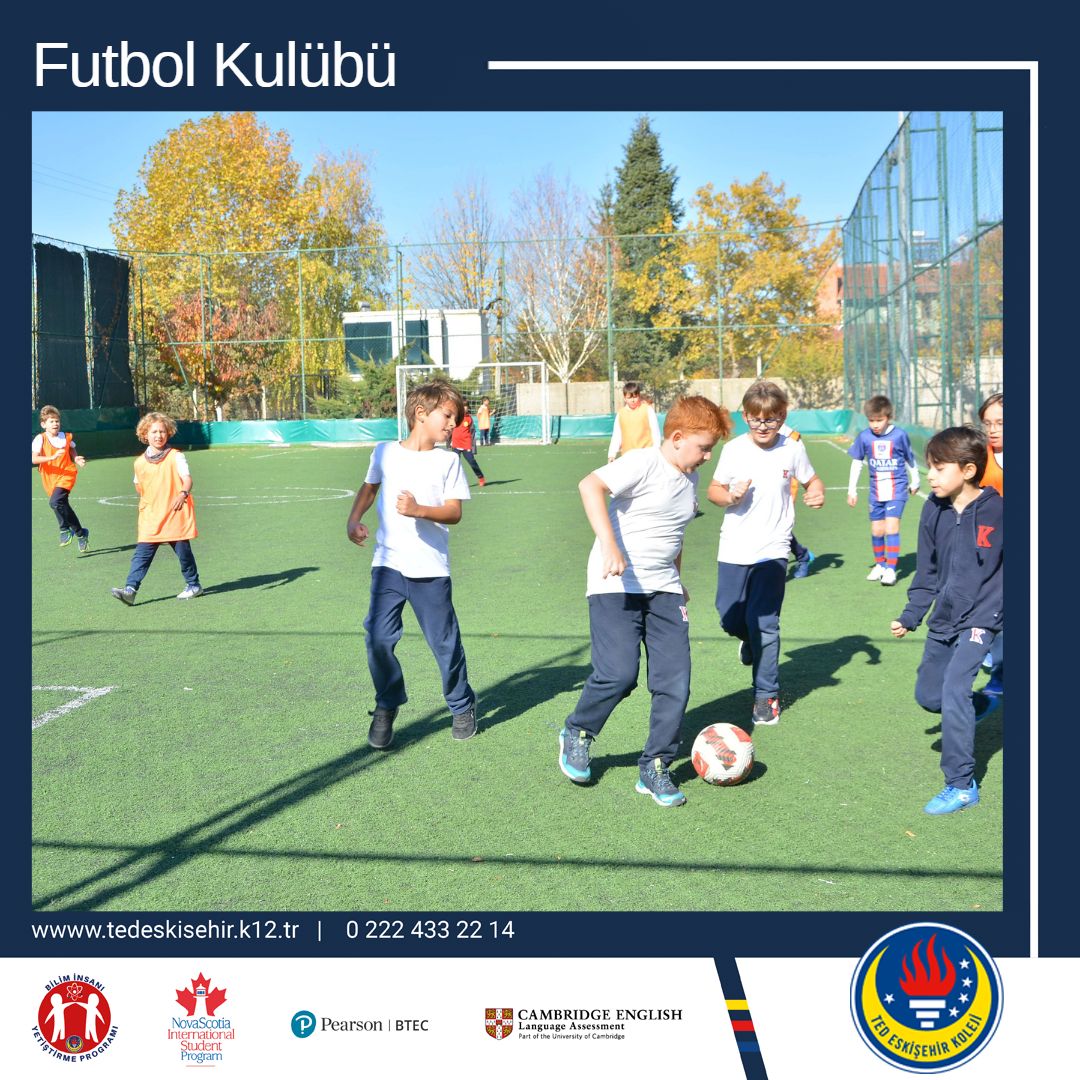
4Football
Our objective in our arts and sports classes is to instill a culture of football in our students through introductory, developmental, and preparatory programs tailored to their individual skill levels. The activities offered at our club include: developing fundamental technical skills and coordination for football, teaching students how to handle both winning and losing, enabling them to express themselves, boosting their self-confidence, and highlighting their leadership qualities to help them improve their social interactions.
5Swimming
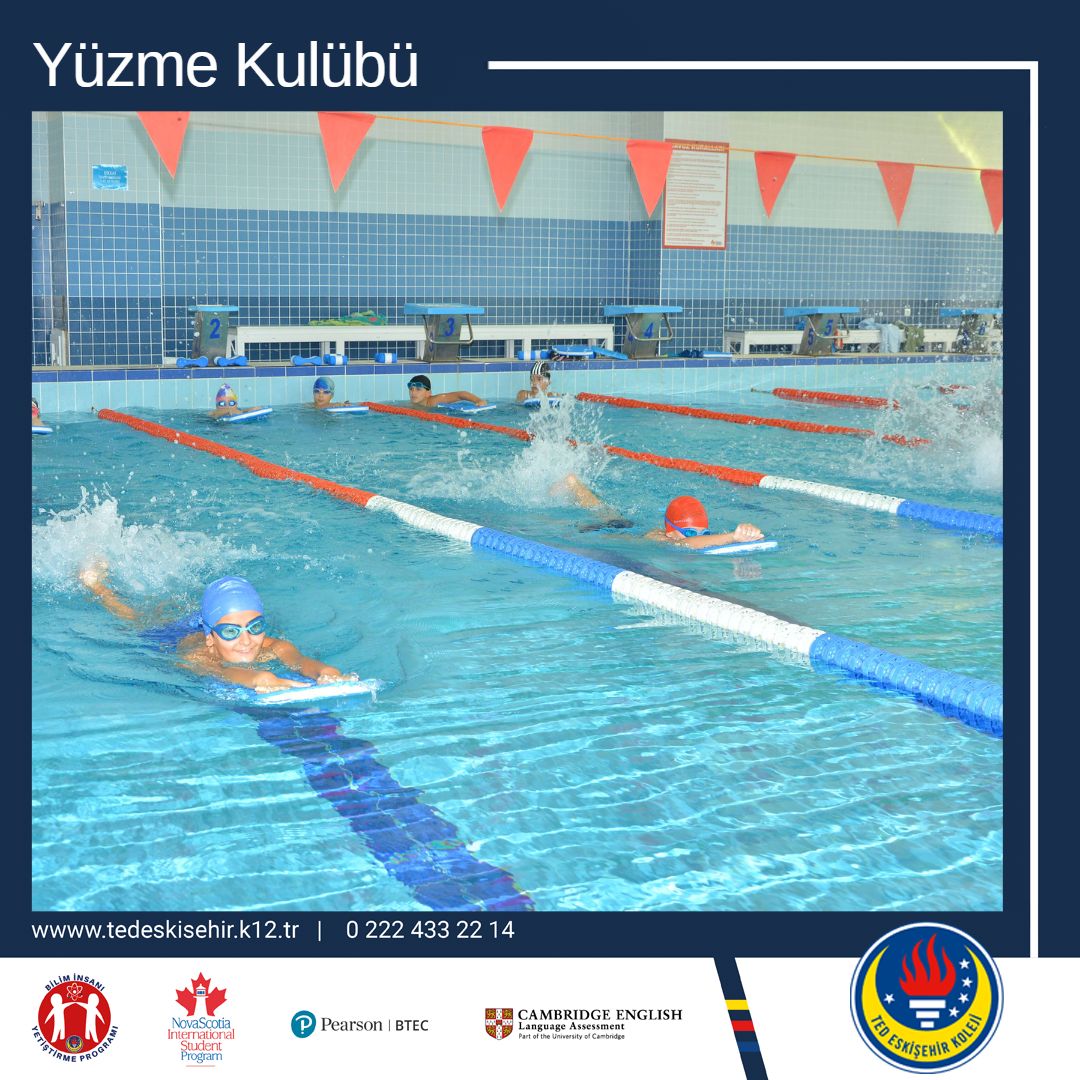
In this club, our students will be introduced to swimming and have the opportunity to enjoy a truly rewarding experience. Through swimming—a sport that offers significant benefits for physical development—students will first learn the fundamental rules and techniques of the various swimming disciplines. As this sport engages all the muscles in the body simultaneously, students will enhance their strength, endurance, and flexibility. Those who develop a passion for swimming, demonstrate success, and show personal progress will be eligible to participate in the swimming team tryouts held during the term; you will be notified as to whether your child has been selected to join the team following these tryouts.
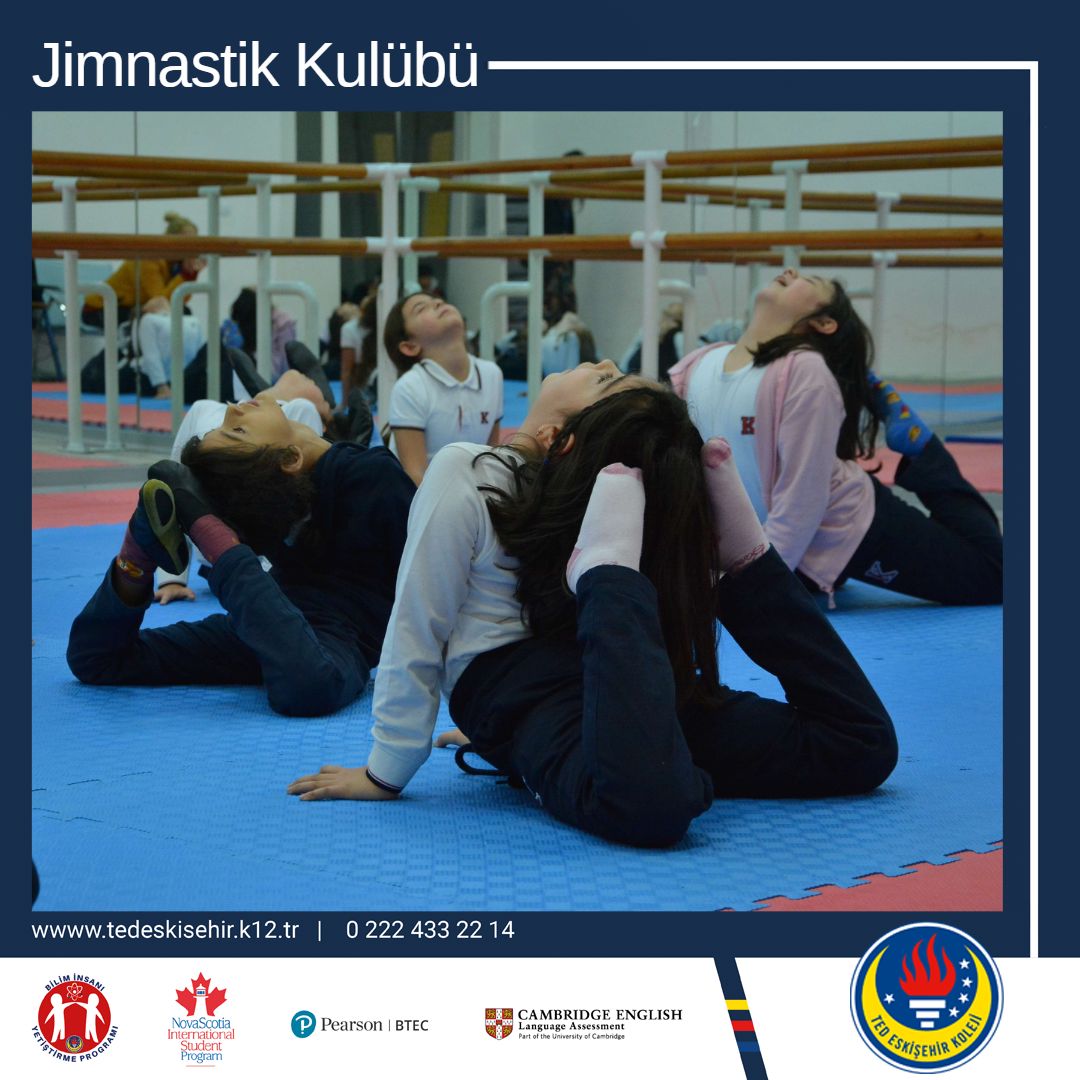
6 Gymnastics
The goal of our club is to foster a love for gymnastics—the foundation of all sports—among our students. Through our training sessions, we aim to develop their strength and flexibility, cultivate the ability to move in a disciplined and organized manner within a group, and promote an aesthetic physical posture. In our classes, we focus on the fundamental exercises of gymnastics while also developing choreography for the performances we present at the end of the year, ensuring that our training remains an enjoyable experience.
7Table tennis
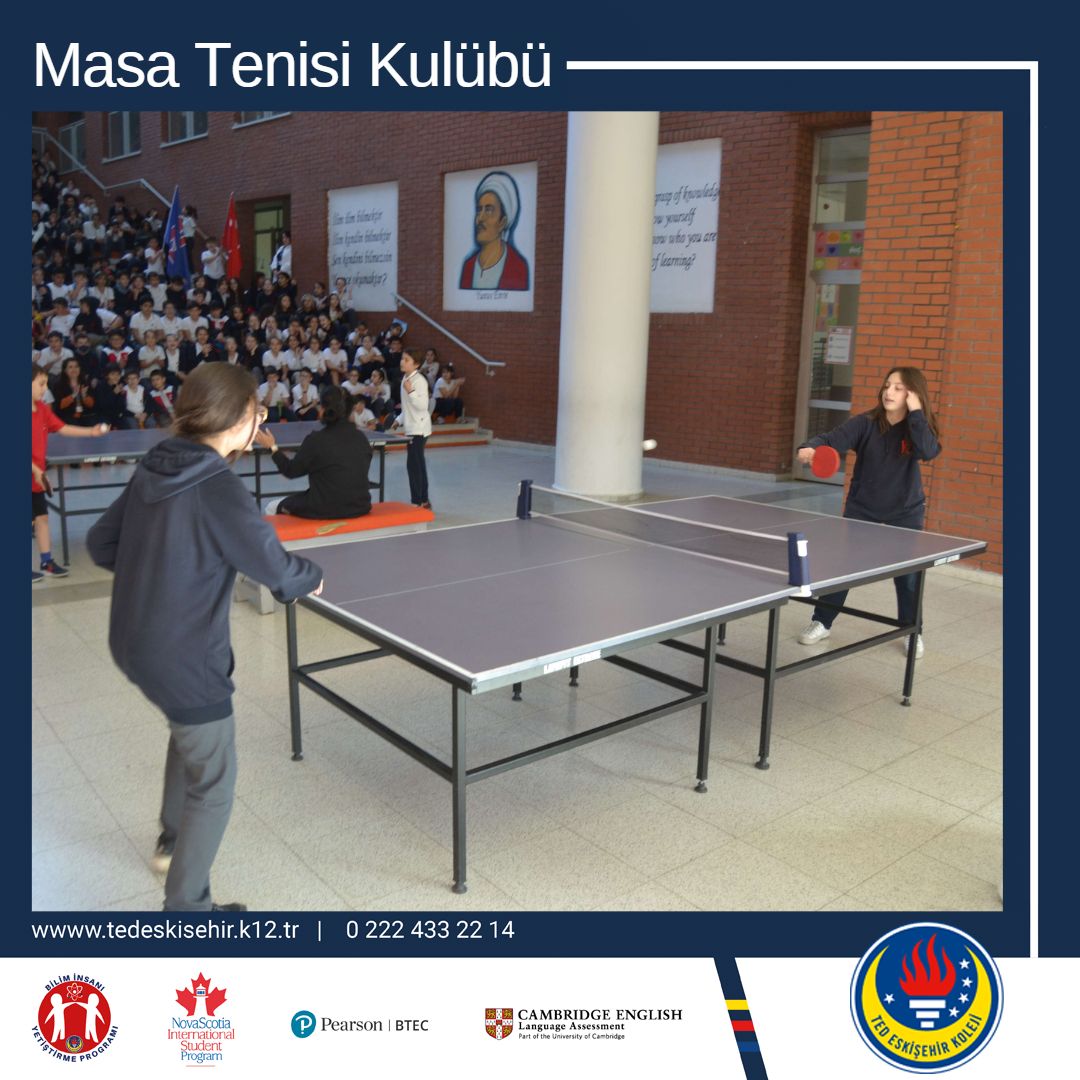
Table tennis, also known worldwide as Ping Pong, is the most widely played racket sport, with over 300 million players. Having become an Olympic sport in 1988, table tennis requires a great deal of movement and physical exertion. The goal of this course is to enhance our students' hand-eye coordination, reaction capabilities, and reflexes, while contributing to their overall physical development.
8Chess
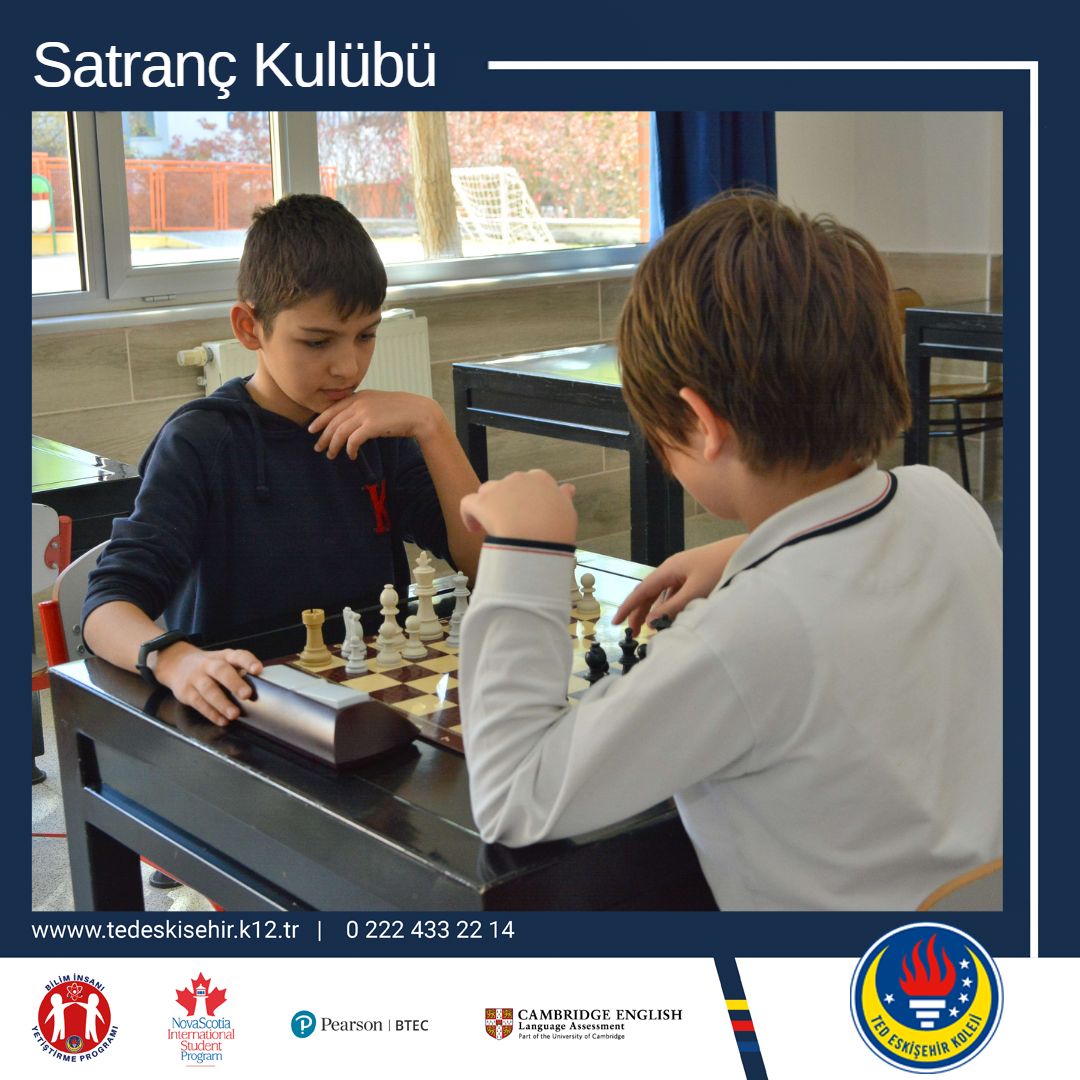
“Chess is everything: science, art, sport…” As an art of analysis, a sport of the intellect, and a science that fosters rational thinking, chess plays a significant role in developing an awareness of one’s own existence. Often described as a “miniature model of the grand game of life,” an early introduction to chess can serve as a guiding influence in a child’s developmental journey. In the formation of character, the understanding of oneself and the natural world, the cultivation of abstract thought, the capacity for aesthetic judgment, the grasp of sportsmanship, the development of moral reasoning, and many other vital aspects of life, chess emerges as a phenomenon that enriches existence, making it both more meaningful and more beautiful. It should be remembered that “there are more adventures on a chessboard than in all the seas of the world.” Beyond the mere outcome of winning or losing, chess transforms us into the protagonists of our own unique adventure.
9Guitar
Like all musical instruments, the guitar enhances children's mathematical intelligence, creativity, and self-confidence. In addition to fostering these developmental areas, it also helps strengthen the muscles in the arms and fingers. Our lessons focus on classical guitar training, guiding students to master the fretboard and strings while learning to use both their right and left hands correctly. We aim for students to pursue their preferred musical styles throughout the year and to participate in school orchestras and various events.
10Piano
Scientific research indicates that piano training begun at an early age can increase a child’s IQ by fifty percent or more, and that such children tend to be significantly more successful in subjects like mathematics and the sciences. Playing the piano engages both hemispheres of the brain and stimulates all the sensory organs. In our lessons, we select repertoire that students will enjoy playing while ensuring they acquire the most accurate technical foundation; our goal is for them to also gain the confidence to perform individually in various events.
11Cello
Cello instruction positively influences children by fostering socialization, boosting self-confidence, enhancing hand-eye coordination, improving fine motor skills, supporting cognitive development, and contributing to academic success. Through our lessons—which begin with bow technique exercises—we aim to equip students with the ability to play accurately and effectively, while also developing their capacity to hear and feel the music they create. Furthermore, by providing opportunities for students to perform in our school orchestras, we strive to nurture children with a strong sense of self-confidence.
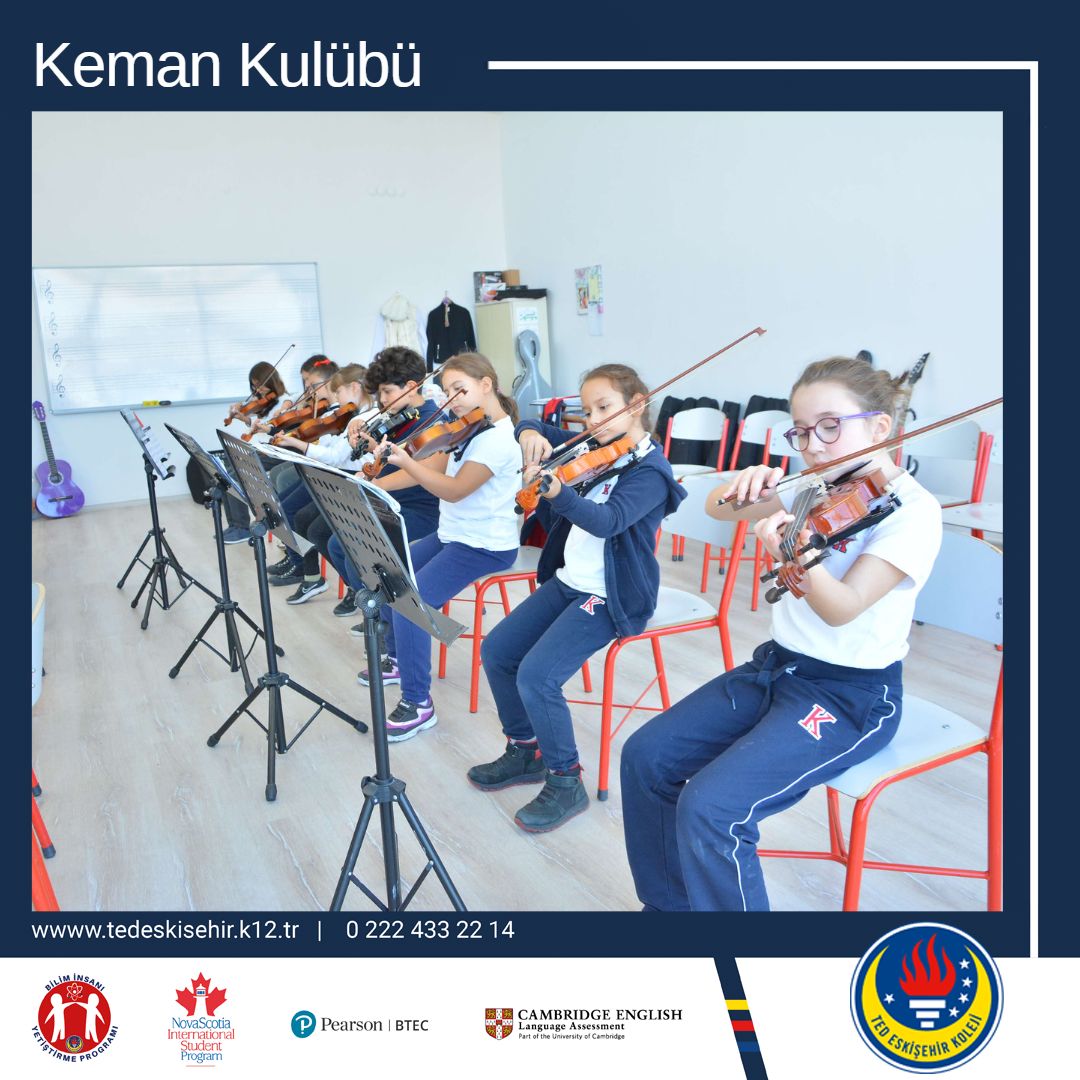
12Violin
Music education—and violin instruction in particular—fosters advanced development in the regions of the human brain that govern language acquisition and decision-making. Through this type of training, the creative hemisphere of the brain undergoes physical development, and the connections between brain cells are strengthened. In our lessons, students begin with bow technique exercises, ultimately gaining the ability to play accurately and effectively, while also learning to hear and truly feel the music they create.
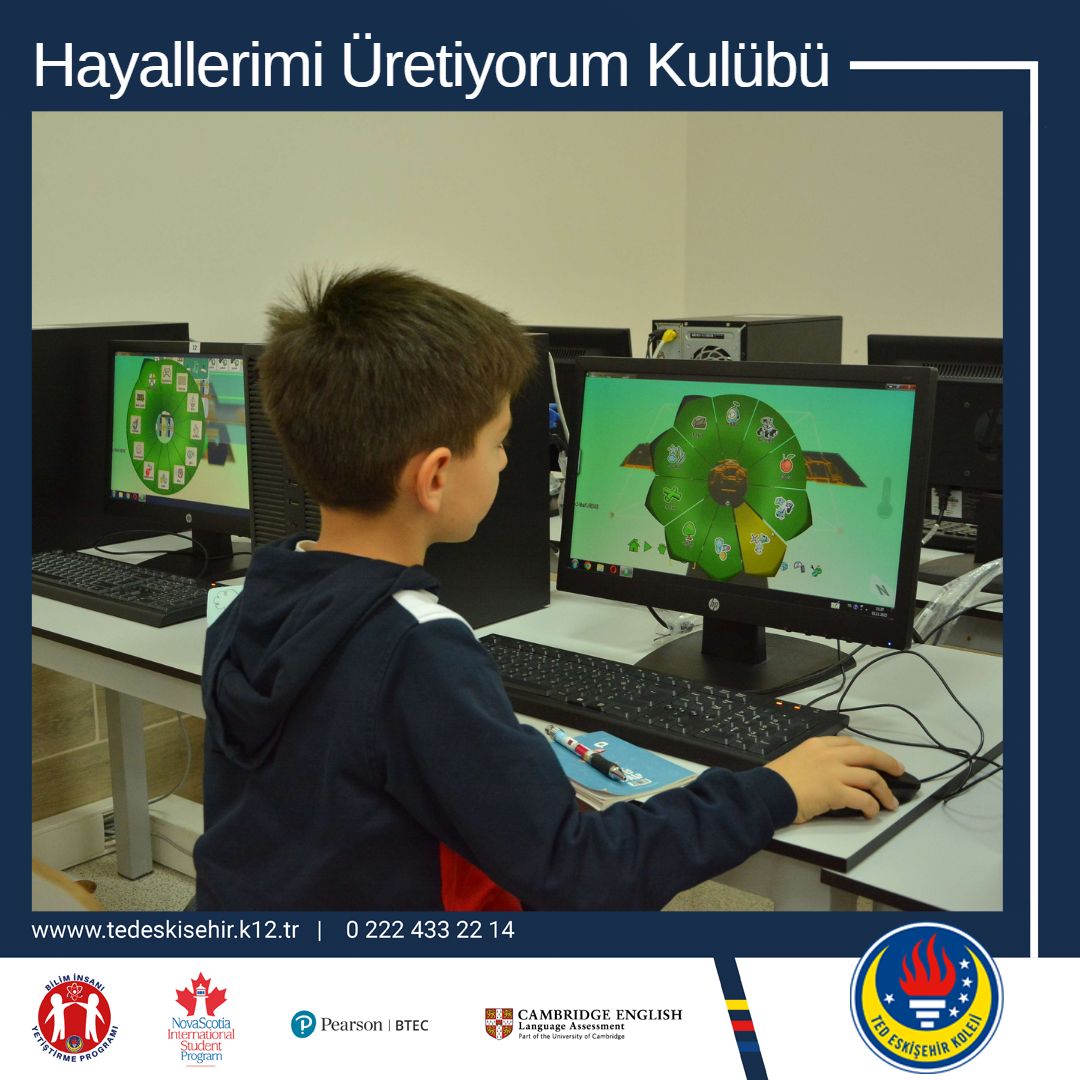
13Science Inventors
In the 21st century, the convergence of science and technology has given rise to artificial intelligence, 3D printers, high-speed trains, space travel, and exploratory probes sent to other planets—all of which were far beyond what we once imagined, weren't they?
As the Young Inventors Club, we provide our young students with the opportunity to learn through hands-on experience by conducting experiments tailored to their age level. Our goal is to ignite a small spark; we believe that, fueled by their own curiosity, they will transform this spark into a roaring blaze.
14Cartoon
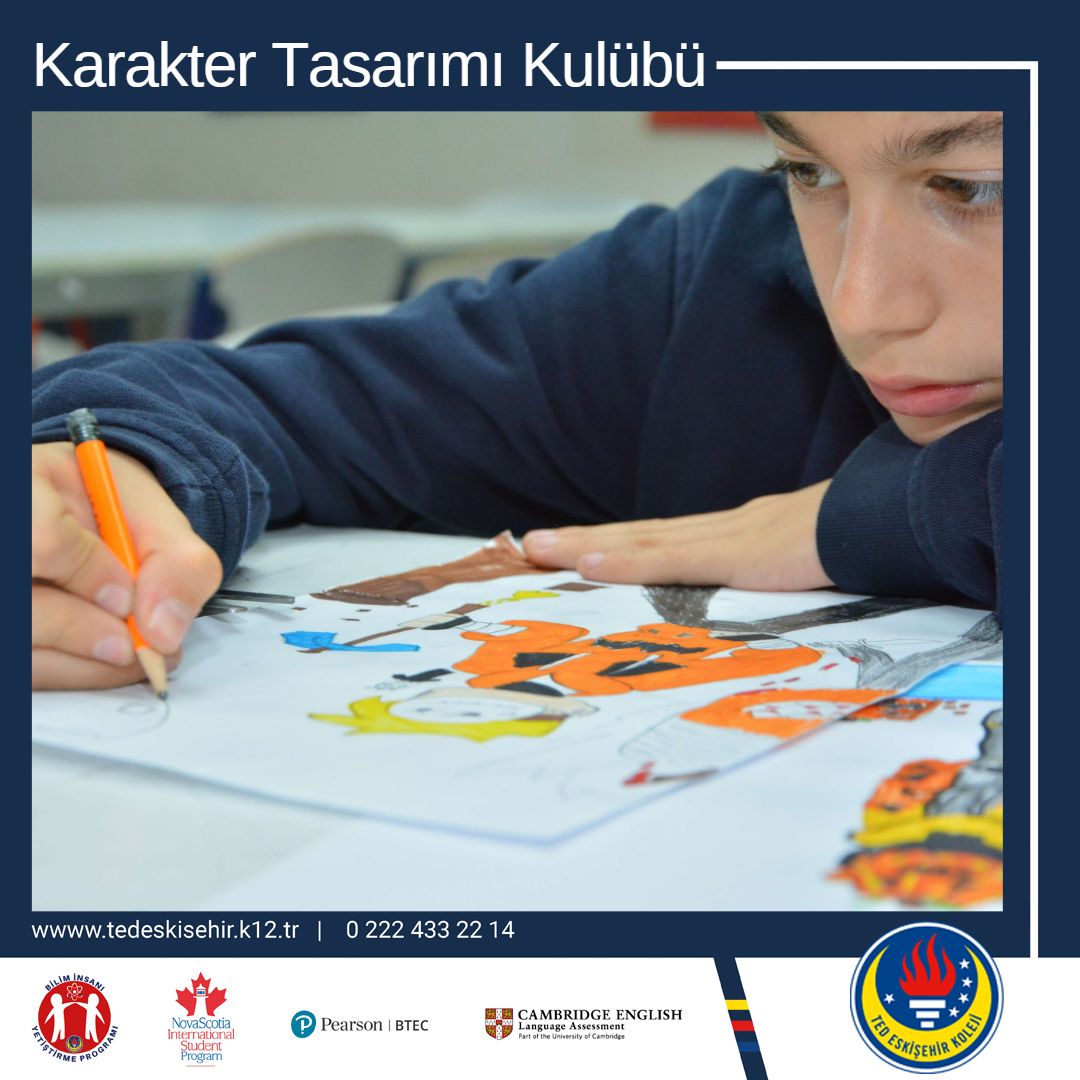
While there are many ways to define a caricature, it is generally understood as "the art of humor expressed through lines." By bending, twisting, exaggerating, or downplaying these lines, the artist imbues them with new meaning. In this process, the caricaturist engages in a kind of game between pen and paper. Concepts and objects envisioned in the mind are transferred onto the page through lines that curve, coil, or dart forward—a manifestation of the imaginative world brought to life. At this juncture, we can draw a parallel to children; just as a rich imagination and play are essential to a child’s existence, they are equally indispensable to the art of caricature. While principles such as perspective, proportion, and composition—found in traditional visual arts—are present in caricature, the medium is far more inclined toward playfulness. Caricature is also an inquisitive art form, one that inherently incorporates humor and entertainment. It stimulates the curiosity and imagination of a child, who, by nature, is always eager to learn. While an adult sees the sun simply as the sun, or a jacket button merely as a button, a child might identify with the sun, adding a mouth and eyes to it—perhaps imagining the sun’s tongue sticking to the roof of its mouth from the heat, leading it to ask a passing cloud for a glass of water. To a child, a jacket button is a living creature with two eyes; even without limbs, it might simply roll away.
And that is precisely why a caricature harbors a mischievous child within itself.
15Ceramic
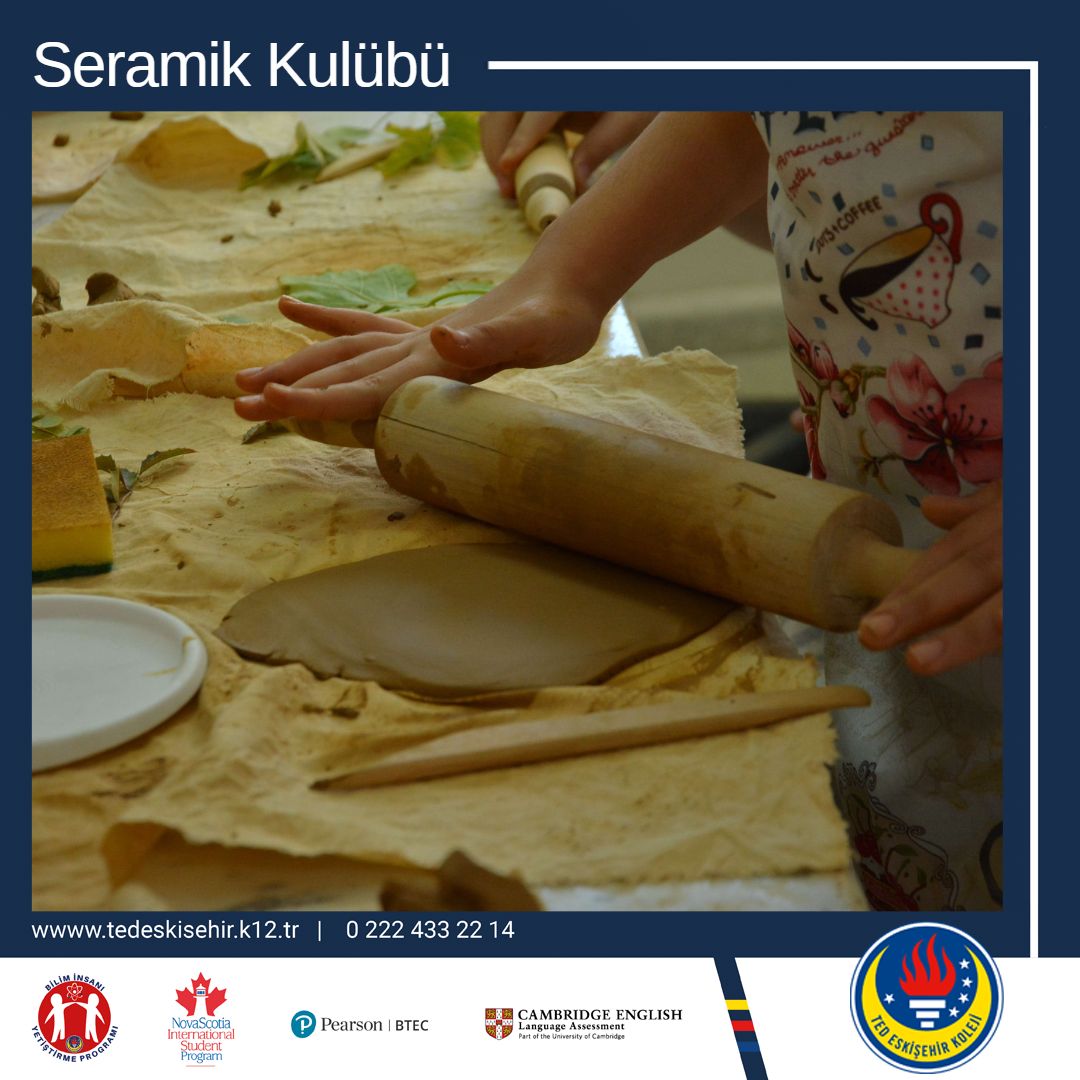
In the ceramics club, students learn the necessary technical skills while shaping their creations as they wish. The goal of these workshop sessions is to use clay—a medium with inherent relaxing qualities—to bring imagined concepts to life, foster a love for productivity, and enable students to master various free-forming techniques as well as the use of the potter’s wheel.
Objective: In alignment with the general goals and fundamental principles of the Turkish National Education system, the program aims to instill an appreciation for our cultural and artistic values; cultivate a sense of responsibility for preserving artworks; foster an understanding of the importance Atatürk placed on art and artists; develop an awareness of the need to pass our cultural and artistic heritage on to future generations; highlight the significance of art in daily life; enable the application of methods and techniques used in the visual arts to creative projects; and assist students in developing their self-expression skills.
The ceramics club seeks to foster the following behaviors and competencies in students:
- Learning the techniques and methods associated with ceramic clay.
- Understanding and applying visual elements—such as line, texture, color, and composition—to create three-dimensional works.
- Creating original pieces by infusing their own emotions and thoughts into their work.
- Developing the ability to examine and analyze ceramic artworks from a formal, visual perspective.
- Enhancing visual perception and sensitivity through art education.
- Engaging in two- and three-dimensional shaping and modeling projects.
- Developing habits of working in a clean and organized manner.
- Cultivating a sense of group cohesion and organizing exhibitions.
16A Beautiful Mind
"Mind games" (or brain teasers) is a general term for puzzles and challenges that do not require prior knowledge; instead, they are solved by employing skills such as reasoning, quick thinking, creativity, and the ability to utilize provided clues. Based on the principle of learning through play, these games sharpen the mind and facilitate the learning process, thereby contributing to children's intellectual development, creativity, and academic success. As children learn while having fun, their cognitive abilities flourish. Furthermore, a course dedicated to mind games allows students to spend time with their peers and socialize, encouraging them to channel their energy into social interactions with friends rather than remaining in front of a screen. We firmly believe that, in the long run, this will make a significant positive contribution to children's performance in other subjects and help mitigate issues related to computer or television addiction. Learning through play is the most effective method for developing mental faculties. The frontal lobe—the part of the brain responsible for conscious thought and decision-making—continues to develop until an individual reaches their twenties. This makes the gains achieved between the ages of 4 and 12 particularly enduring in the formation of cognitive skills. For this reason, educational institutions in developed nations have integrated mind games into their curricula under the concept of "edutainment" (learning through entertainment). Such games are frequently utilized to enhance children's skills and achievements, particularly in quantitative fields like mathematics.
17 Theatre
The aim is for students to get to know themselves, confront their own inner selves, and acquire the ability to view life from different perspectives—all through the practice of theater.